

B.C. election news — Day 11 of the snap campaign sent both leaders to the Okanagan on Friday with promises aimed straight at the two things keeping British Columbians up at night: fire and food prices. Interim Conservative leader Lorne Doerkson rolled out a $500-million Crown-owned water-bomber fleet beside a home destroyed by wildfire, while NDP leader David Eby promised a “Price Guard” capping grocery giants’ margins on milk, eggs and butter. With voting day October 24, this B.C. Election 2026 is turning into a fight over who actually understands what the province is afraid of.
By Maplestime News Desk | Okanagan, B.C. | October 3, 2026
Sources: Canadian Press, Global News, Particle News | Last updated: October 3, 2026
Key Takeaways
- Friday was Day 11 of the B.C. Election 2026 snap campaign; B.C. votes October 24.
- Conservative leader Lorne Doerkson announced a $500M Crown-owned water-bomber fleet, AI firefighting tech, fuel clearing around communities, faster prescribed burns and a wildfire-response cabinet committee he would chair, with aircraft rented to other jurisdictions to offset costs.
- NDP leader David Eby countered with a “Price Guard”: capping the big five grocers’ retail margins on six staples, clearer per-unit pricing, protections for independent grocers and limits on anti-competitive practices.
- A B.C. family of four now spends more than $17,500 a year on groceries, up over 25% in five years.
- Eby also pledged to match Red Cross donations up to $20 million for summer wildfire victims; Green leader Emily Lowan spent Friday campaigning on AI and tech regulation.
Doerkson’s $500M Water-Bomber Fleet
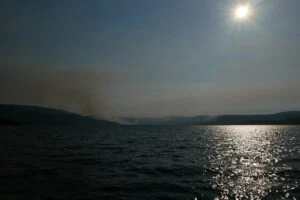
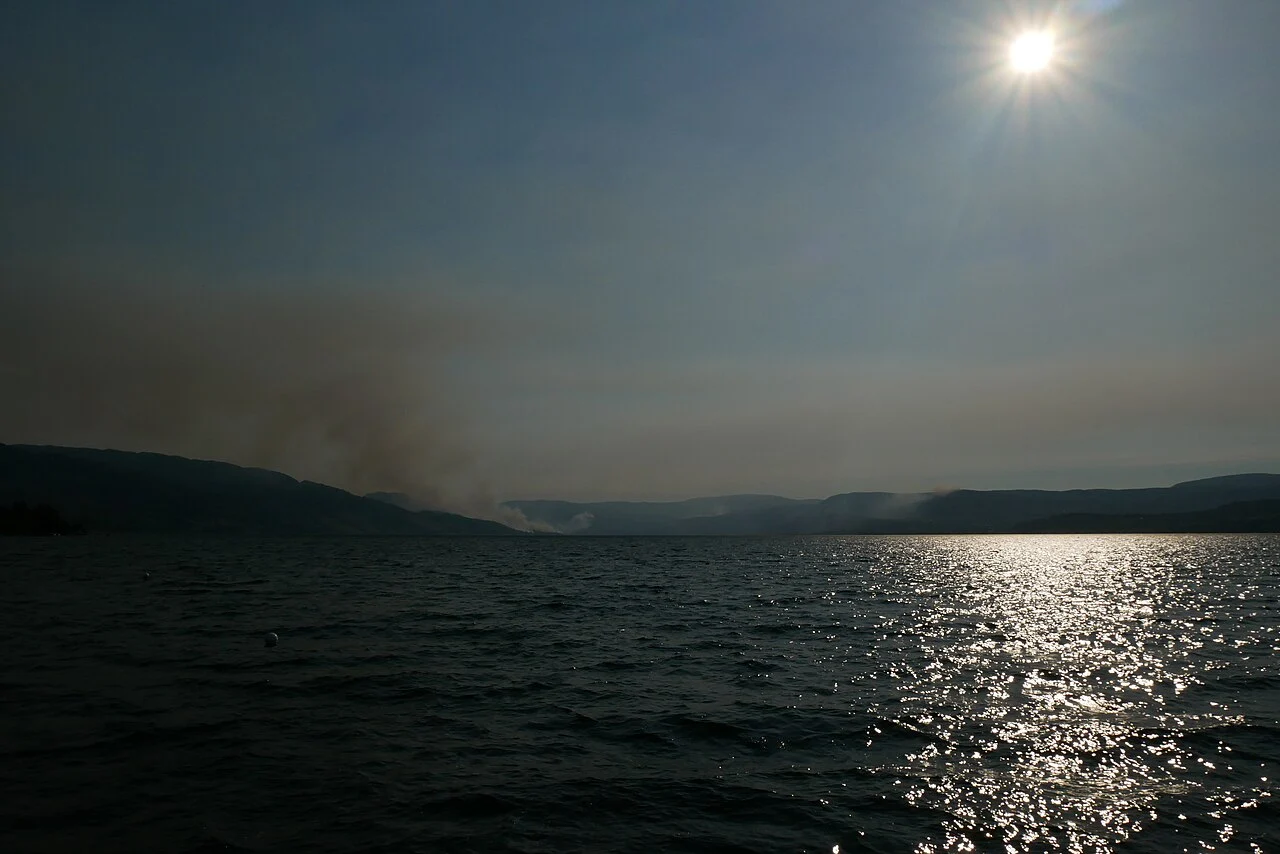
Doerkson made his announcement in Summerland, deliberately staged beside a home destroyed by the Bald Range wildfire. That fire, which erupted August 7, destroyed more than 80 homes in Faulder and forced thousands to flee near Summerland. The setting was the message: this province keeps burning, and governments keep arriving after the smoke.
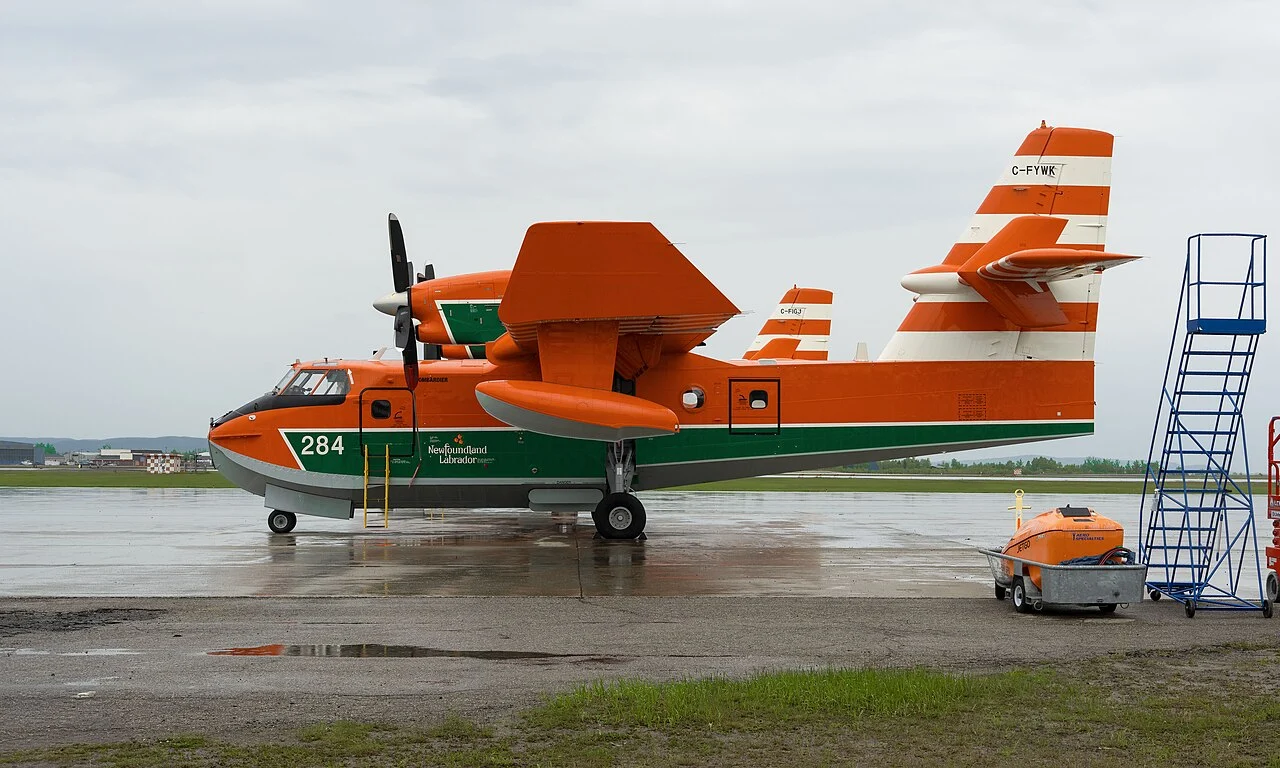
The Wildfire Action Plan has several moving parts. The headline is the $500-million Crown-owned water-bomber fleet. Around it: investment in AI firefighting technology and an innovation fund, fuel clearing around communities, faster prescribed burns, less bureaucracy, and a dedicated wildfire-response cabinet committee that Doerkson would personally chair. Aircraft would be rented out to other jurisdictions when B.C. doesn’t need them, to offset costs.
Doerkson framed it as a failure of prevention, not just response:
“We are here today because British Columbians deserve a government that will act before the smoke appears on the horizon… We owe it to our kids. We owe to our forestry workers and we owe it to communities like Summerland, like Lytton, like Clinton to take back control of our forests.”
It’s a smart read of the Okanagan’s mood as the B.C. Election 2026 enters its final three weeks. The Interior has watched community after community become a cautionary tale, and “act before the smoke” lands harder than any budget line item. The honest question, as always with a $500-million fleet, is the fine print: how many aircraft, on what timeline, and whether the Crown actually operates them well.
Eby’s Grocery Price Guard
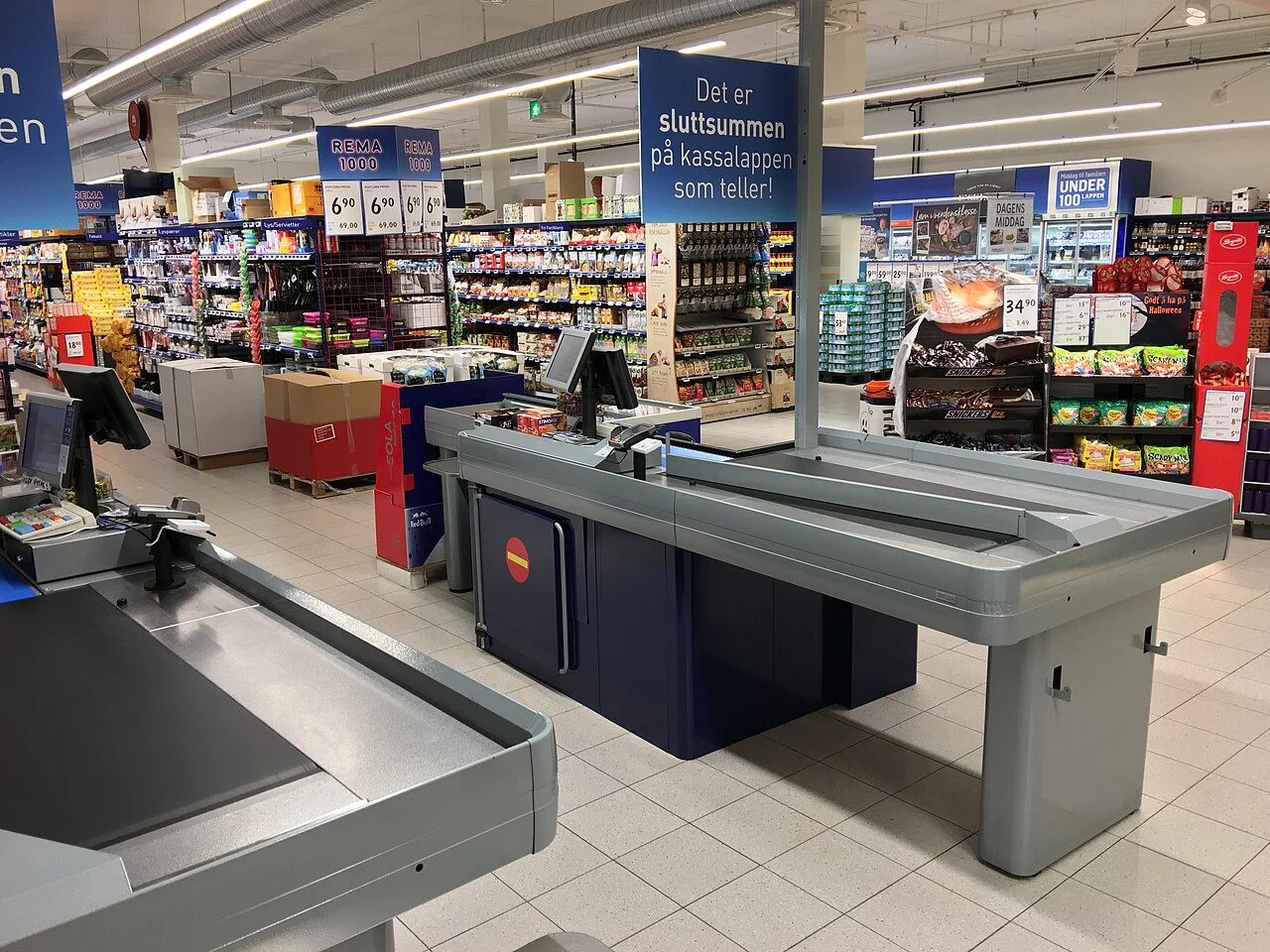
Over in Kelowna, outside a Save-On-Foods on Kane Road, Eby went after the other anxiety. His “Price Guard” would cap the big five grocers’ retail margins on six staples: milk, eggs, butter, cheese, chicken and turkey. The package also includes clearer per-unit pricing, protections for independent grocers, and limits on anti-competitive practices.
The numbers behind it are brutal. A B.C. family of four now spends more than $17,500 a year on groceries, up more than 25% in five years. Eby’s pitch was as plain as a checkout line:
“We’re going to cap the profits of the big grocery companies. We’re going to make sure that for the basics, for your cheese, for your eggs, for your butter, for your milk, that you and your family are protected at the till as you check out.”
Margin caps on staples are the boldest affordability play of the B.C. Election 2026 so far. Capping margins is not capping prices; the grocers will litigate the definitions, and “clearer per-unit pricing” sounds simple until the industry’s lawyers get involved. But as campaign politics goes, standing outside a grocery store and naming the six things in every cart is about as direct as it gets.
What the B.C. Election 2026 Is Really About in the Okanagan
Friday was a study in two different theories of this B.C. Election 2026. Doerkson bet that the Interior votes on fear of the next fire season. Eby bet that the whole province, including the Interior, votes on the grocery bill. Both are probably right, and neither promise survives contact with reality without a fight.
Note what else moved on Friday. Eby pledged to match Red Cross donations up to $20 million for summer wildfire victims, a direct play to the same fire-scarred communities Doerkson was courting. And Green leader Emily Lowan spent the day on AI and tech regulation, betting there’s a third lane in this campaign beyond flames and food.
Related: B.C. Snap Election 2026
With 22 days to go until October 24, the shape of this race is getting clear. The NDP is running on affordability and competence; the Conservatives are running on prevention and control. The Okanagan, which has lived through both the smoke and the sticker shock, gets to decide which promise it believes.
Maplestime will provide updates from B.C. Election 2026 as announcements are made.
Have a tip about B.C. Election 2026? Email [email protected]
Have a correction? Email [email protected]
Do you think a Price Guard on groceries would actually lower your bill, or is it campaign-season theatre? Tell us in the comments. And share this with every British Columbian watching this snap election.
Enjoying Maplestime? Support independent Canadian journalism — no paywall, no corporate owners.