



Winnipeg, MB — October 14, 2025.
The Government of Manitoba took a major step toward reshaping the province’s economic and procurement landscape at the first-ever Manitoba Procurement Conference, held at the RBC Convention Centre in Winnipeg. The sold-out event brought together provincial ministers, senior officials, business leaders, and Indigenous representatives to discuss the future of government purchasing, vendor engagement, and inclusive economic growth.
Hosted by the Procurement and Supply Chain Division under the Department of Public Service Delivery, the conference marked what Deputy Minister Brenda DeSerranno described as “a day of transparency, partnership, and innovation.”
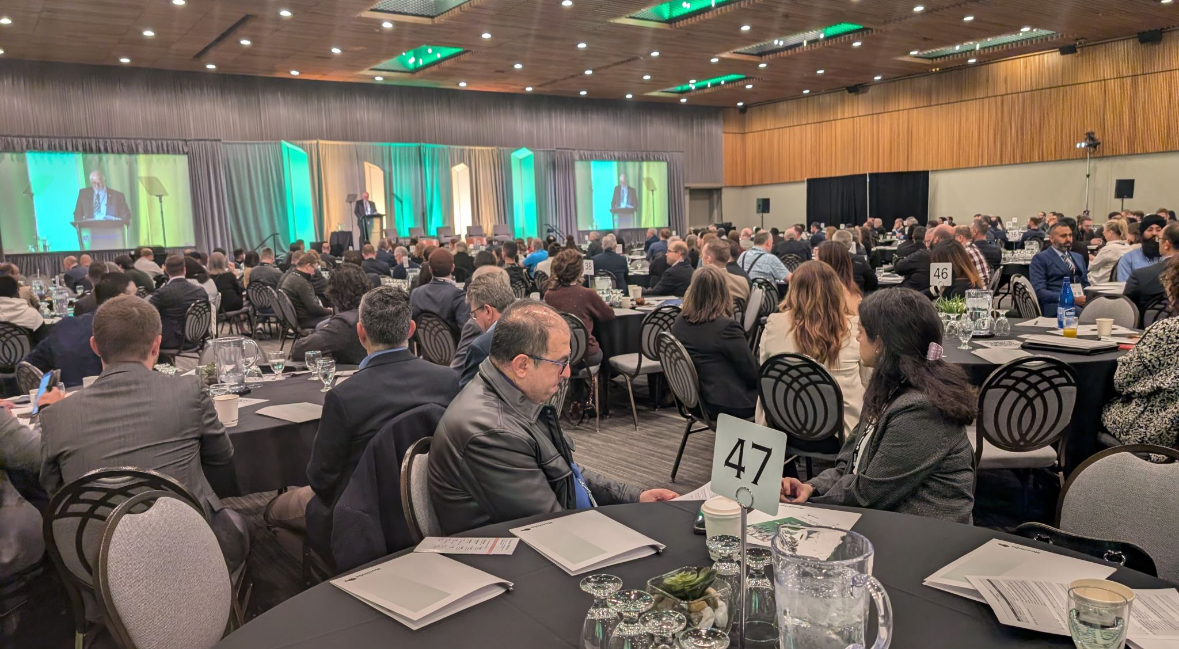
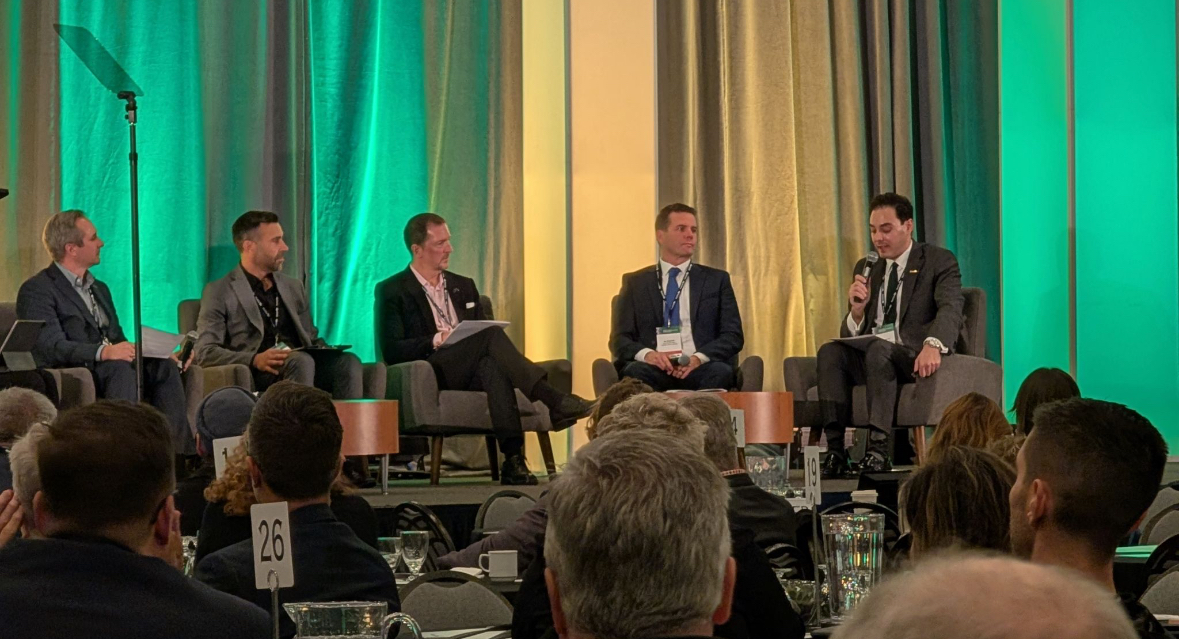
A New Era of Public Procurement
Opening remarks were delivered by several Manitoba cabinet ministers, including Hon. Jamie Moses (Minister of Business, Mining, Trade and Job Creation), Hon. Mike Moroz (Minister of Innovation and New Technology), Hon. Ian Bushie (Minister of Natural Resources and Indigenous Futures), and Hon. Mintu Sandhu (Minister of Public Service Delivery).
Minister Jamie Moses emphasized Manitoba’s Economic Development Strategy, highlighting new funding mechanisms and tax incentives designed to boost business competitiveness, encourage exports, and strengthen local industries.
“Our goal is simple — to make sure public spending reaches Manitoba businesses,” said Moses. “We have the largest capital budget in the province’s history, $3.7 billion, and we want those dollars to get into the hands of local innovators and job creators.”
He underscored the government’s commitment to supporting manufacturers through PST exemptions on equipment and a $15 million financing program to help businesses access capital and expand into new markets.
Building Partnerships Between Government and Business
Minister Mike Moroz, who leads Manitoba’s innovation and technology portfolio, reflected on the growing intersection between technology, policy, and procurement.
“When we support local businesses, we’re not just investing in companies — we’re investing in communities,” said Moroz. “Procurement is one of the most powerful levers we have to drive innovation, foster new ideas, and strengthen collaboration between departments, vendors, and communities.”
He also praised the Public Service Delivery team for organizing the landmark event, adding that the strong turnout reflected “a clear appetite for collaboration and change” in how Manitoba manages its public contracts.
Transforming the Procurement Framework
The keynote presentation from the Procurement and Supply Chain Division, led by Assistant Deputy Minister Paris Fragkoulis, unveiled a comprehensive modernization plan built on transparency, inclusivity, and strategic foresight.
“Procurement is no longer just a transactional process,” Fragkoulis said. “It’s a platform for delivering public value, driving innovation, and enabling inclusive growth.”
At the heart of this new framework lies the 5I Category Management Methodology — a structured, data-driven approach to procurement consisting of Initiation, Insight, Innovation, Implementation, and Improvement. This lifecycle model ensures that purchasing decisions remain strategic, evidence-based, and adaptive to evolving market realities.
“Manitoba is proud to be among the national leaders implementing this methodology,” Fragkoulis added. “We’re consolidating expenditure into strategic categories, enhancing market intelligence, and leading a buying consortium that includes municipalities, Crown corporations, and other public entities.”
The province is also strengthening compliance with national and international trade agreements, ensuring fair competition and global alignment in its procurement practices.
Advancing Reconciliation Through Procurement
A significant highlight of the conference was the government’s renewed focus on Indigenous procurement. Through the Indigenous Procurement Initiative and Manitoba Jobs Agreements, the province aims to create more equitable access to public contracts for Indigenous-owned businesses.
These programs will facilitate joint ventures, community-led development, and capacity-building partnerships that promote long-term economic resilience.
“Indigenous procurement is a matter of principle and purpose,” Fragkoulis said. “We are modernizing our policies through direct consultation with Indigenous peoples — an exercise grounded in respect, reconciliation, and shared purpose.”
The province confirmed that its upcoming Indigenous Workforce and Procurement Strategy will align with the Truth and Reconciliation Commission’s Call to Action #92 and the United Nations Declaration on the Rights of Indigenous Peoples (UNDRIP).
Opportunities for Vendors
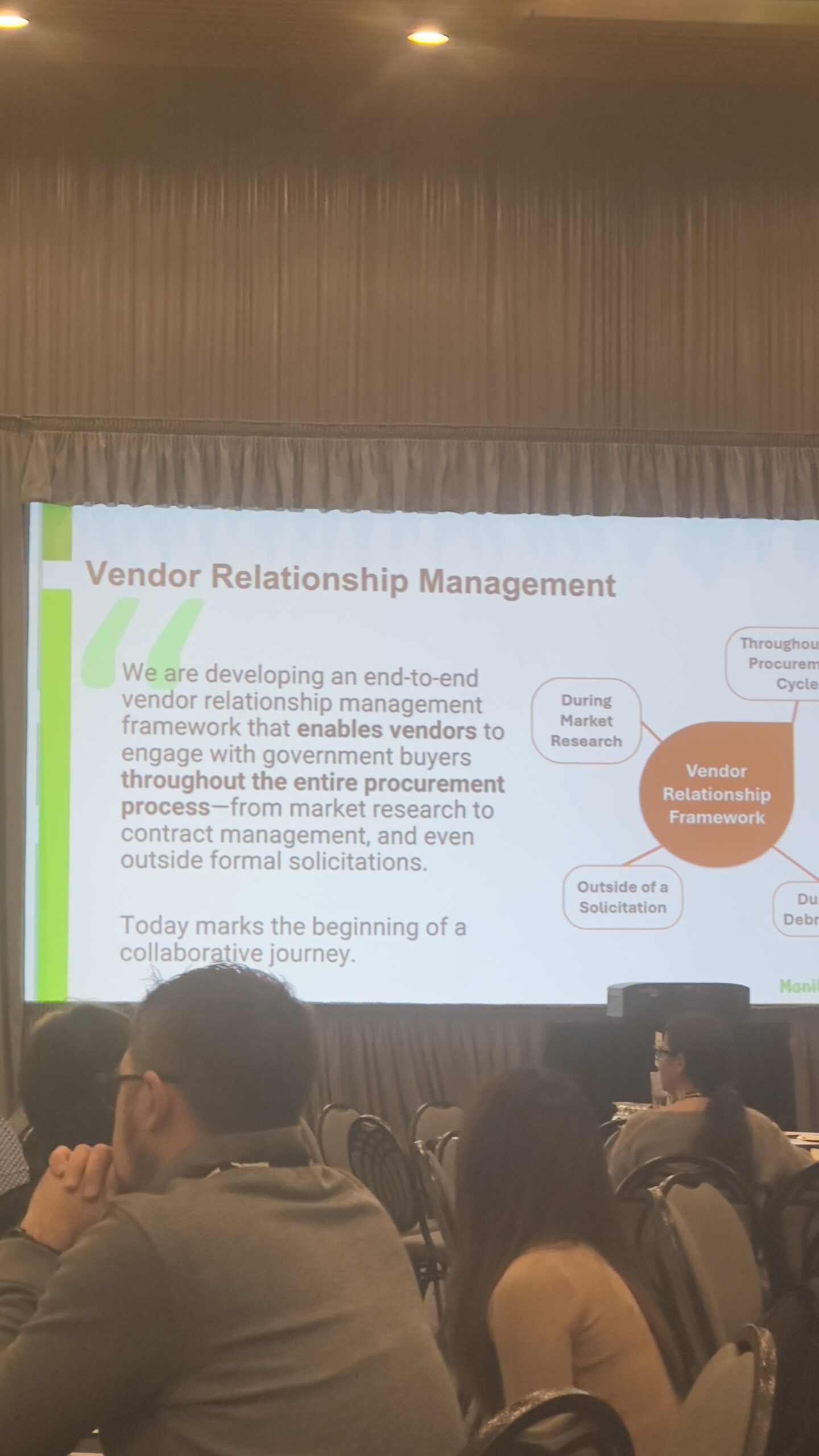
The Government of Manitoba, one of the province’s largest purchasers of goods and services, is expanding its vendor network through the MERX platform — the province’s central electronic procurement portal.
All open solicitations are listed on MERX, which provides free registration and direct access to procurement opportunities across provincial departments, agencies, and Crown corporations.
Current active opportunities include:
-
IT implementation services
-
Employee training programs
-
Heavy-duty equipment maintenance
-
X-ray and medical equipment
-
Demolition and construction projects
Upcoming opportunities (currently in planning):
-
Janitorial and pest management services
-
Software licenses and IT solutions
-
Bandages, dressings, and medical supplies
Vendors are encouraged to monitor MERX regularly, activate alerts, and request debriefs within 15 business days after tender results.
“When vendors succeed, Manitobans benefit,” Fragkoulis said. “Our goal is to help suppliers engage meaningfully and succeed in our procurement system.”
A Transparent, Forward-Looking Approach
The conference presentations emphasized modernization through digital transformation. Manitoba’s upgraded systems now allow vendors to manage profiles, submit tenders, and track progress online — improving accessibility and reducing administrative barriers.
The government also announced plans to:
-
Revise procurement templates for greater clarity and consistency
-
Expand outcome-based procurement practices
-
Host training workshops for Indigenous and local businesses
-
Align provincial purchasing with the federal Buy Canadian policy
“Procurement is evolving,” Fragkoulis concluded. “And Manitoba is leading this evolution with purpose, partnership, and principle.”
The 2025 Manitoba Procurement Conference showcased a province stepping confidently into a new chapter of governance — one rooted in transparency, collaboration, and inclusion.
Through digital transformation, Indigenous partnerships, and a redefined procurement framework, Manitoba is setting a precedent for how public purchasing can drive social and economic progress — not just for businesses, but for every Manitoban.
