




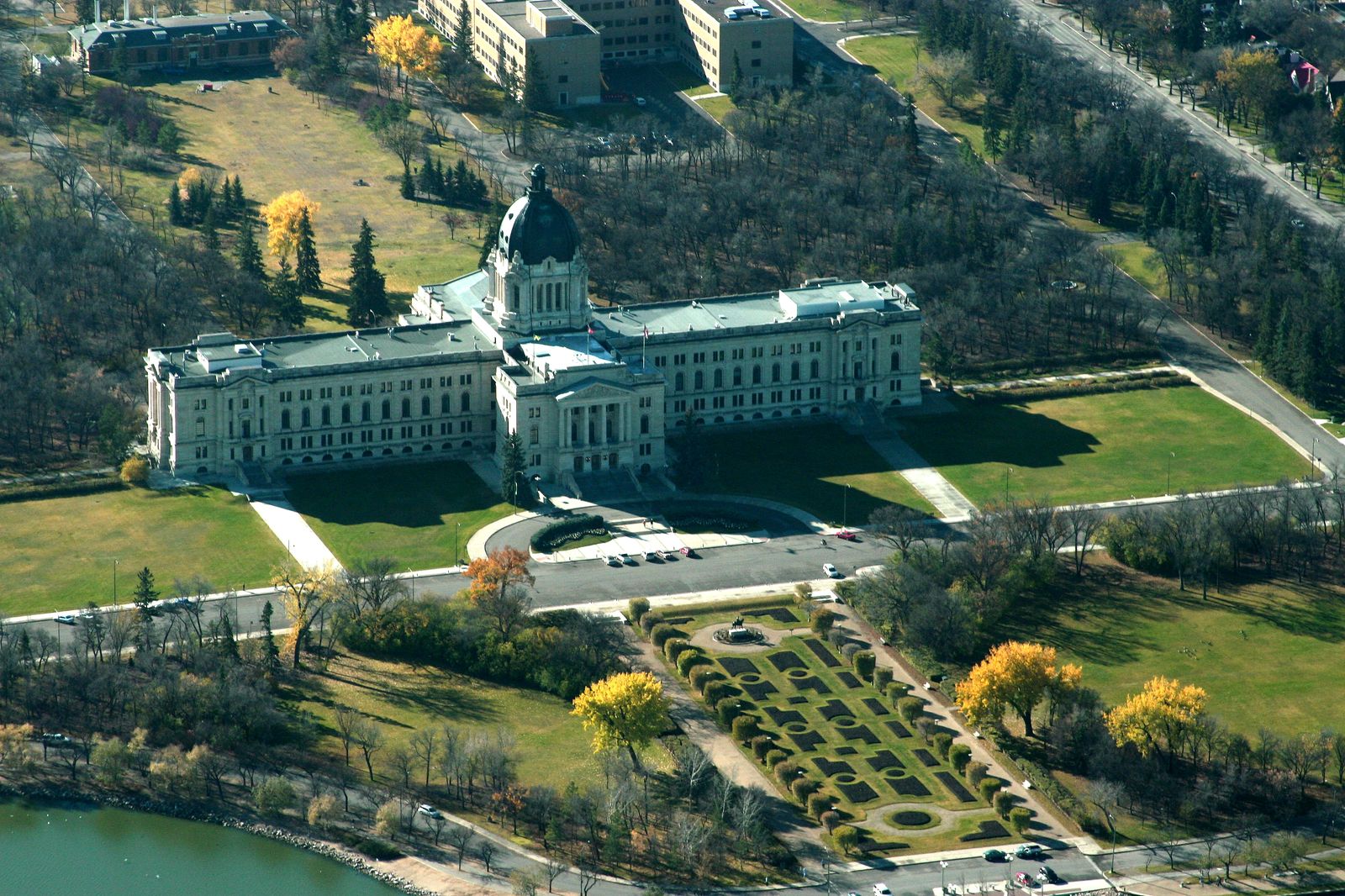
Saskatchewan politics news — the FSIN Legal Action against Ottawa is officially underway: the Federation of Sovereign Indigenous Nations is taking the federal government to court, rejecting its final decision that close to $12.4 million in spending was ineligible and vowing to prove it owes Ottawa nothing.
By Maplestime News Desk | Saskatchewan | October 15, 2026
Sources: Fav of Canada, Newslocker | Last updated: October 15, 2026
Key Takeaways
- The FSIN, which represents 74 Saskatchewan First Nations, announced October 14 it has launched legal action over Ottawa’s final audit ruling.
- Indigenous Services Canada claims close to $12.4 million in expenditures are ineligible — the FSIN says it does not accept that conclusion.
- The figure started at $28.7 million earlier in 2026, based on a KPMG forensic audit of federal funding spent between April 2019 and March 2024.
- FSIN Chief Bobby Cameron: “ISC may have concluded its process, but this matter is not concluded for the FSIN.”
What the FSIN Legal Action Is About
This is the biggest fiscal fight in the history of the Canada’s largest Indigenous political organization. Indigenous Services Canada has issued its final decision in a forensic audit dispute stretching back to 2019, ruling that nearly $12.4 million of the FSIN’s spending of federal money was ineligible or unsupported. The federation’s response, delivered in a statement Wednesday: it rejects the ruling entirely and is taking the matter to court.
The FSIN says it participated fully in the federal review and sat through extensive line-by-line discussions with a negotiation team appointed by Indigenous Services Canada. The two sides, it says, had substantially narrowed the amount in dispute by June 12 — which makes Ottawa’s final number feel like a blindside to the federation’s leadership.
“We remain confident that when this matter is subjected to a fair and independent review, that all expenditures will be proven eligible and the allegations proven false,” Chief Bobby Cameron said in Wednesday’s statement.
From $28.7 Million to $12.4 Million
The dispute traces back to a KPMG forensic audit commissioned by Ottawa that reviewed the FSIN’s use of federal funding for compliance with funding terms, conditions and accountability standards — the audit at the root of the FSIN Legal Action. Earlier in 2026, Indigenous Services Canada identified $28.7 million in ineligible and unsupported expenses between April 2019 and March 2024. The final claim — roughly $12.4 million — is less than half that original figure, but the FSIN says the whole claim is wrong.
The pandemic-era spending sits at the heart of the fight. In March, the department flagged more than $23.2 million in COVID-19-related expenditures, saying there was insufficient documentation to validate purchases of personal protective equipment and their delivery and distribution to First Nations. The FSIN disputed that position at the time, saying it had documentation supporting the rollout, including sign-offs from chiefs on deliveries. “We fully believe that we don’t have to repay a dime,” Cameron said in March.
The $8 Million PPE Question
Here is where the FSIN says the story gets strange. According to the federation, federal representatives had confirmed that all purchases of personal protective equipment — accounting for almost $8 million of the current $12.4-million claim — were substantiated as purchased and delivered, and had been removed from the list of ineligible or questionable expenditures.
The FSIN says it was surprised when those expenses were subsequently added back to the amount being claimed. The remaining approximately $4.4 million, the federation says, is mainly related to administration fees — and it alleges Indigenous Services Canada has failed to provide policies supporting its position.
Indigenous Services Canada confirmed the FSIN’s letter to Global News but did not provide a comment.
Why This Fight Matters Beyond Saskatchewan
Strip away the audit jargon and the FSIN Legal Action is the defining tension in Indigenous fiscal relations in Canada: Ottawa’s insistence on its accountability standards versus First Nations’ insistence on autonomy over their own governance spending. The FSIN represents 74 First Nations — no larger Indigenous political body exists in the country. When it decides the federal government’s final answer is not the final answer, that is a national story.
The outcome of this legal action will ripple. If the court upholds the audit, Ottawa gains leverage in every funding relationship with Indigenous organizations. If the FSIN wins, it rewrites the playbook for how federally funded Indigenous organizations push back — and strengthens the case that pandemic-era emergency spending cannot be judged by peacetime paperwork standards.

Maplestime will provide updates from the FSIN’s legal fight with Ottawa as announcements are made.
Have a tip about the FSIN legal action? Email [email protected]
Have a correction? Email [email protected]
Should Ottawa be allowed to claw back $12.4 million from the country’s largest Indigenous political organization over paperwork from a pandemic, or does the FSIN have every right to drag this into court? Tell us in the comments. And share this with every Canadian watching the fight over Indigenous autonomy this week.
Enjoying Maplestime? Support independent Canadian journalism — no paywall, no corporate owners.