




Canadian business news — the Metro Laval Strike is over. Six months after 550 produce warehouse workers walked off the job in Laval, the union ratified a new collective agreement on September 24, 2026, and Quebec’s grocery supply chain can finally breathe again.
By Maplestime Business Desk | Montreal, Quebec | September 25, 2026
Sources: METRO Inc. (CNW, Sept 24) | Supermarket News | Last updated: September 25, 2026
Key Takeaways
- Unionized employees of Metro’s Laval produce distribution centre, plus transportation and head office staff, ratified a new collective agreement on September 24, 2026, ending a labour dispute that began March 30.
- The deal runs five and a half years and includes a 22 per cent salary increase over its term — 6 per cent retroactive to last September plus another 4 per cent on return to work.
- The strike cost Metro roughly $64.2 million in lost profits and incremental direct costs in the third quarter, with adjusted EBITDA down 11.3 per cent year over year.
- The Laval facility supplies produce to more than 350 supermarkets across Quebec; operations resume gradually starting September 27.
The Metro Laval Strike Deal, By the Numbers
METRO Inc. announced the ratification on September 24, confirming that members of the STTEUMR (CSN) — the union representing the produce distribution centre, transportation and head office staff — voted yes on a tentative agreement reached September 17. About 550 workers had walked out on March 30, making this one of the longest major labour disputes in Quebec grocery distribution in recent memory.
The wage package tells you how expensive six months on the picket line became for both sides: a 22 per cent salary increase across the five-and-a-half-year term, including 6 per cent retroactive to last September and a further 4 per cent when workers return. That is the kind of number employers do not offer in week one — it gets offered in month six.
What the Walkout Cost Metro
Metro’s third-quarter results carried the bruises of the dispute. The company reported approximately $64.2 million in lost profits and incremental direct costs tied to the Laval shutdown, with adjusted EBITDA down 11.3 per cent compared with the same quarter last year.
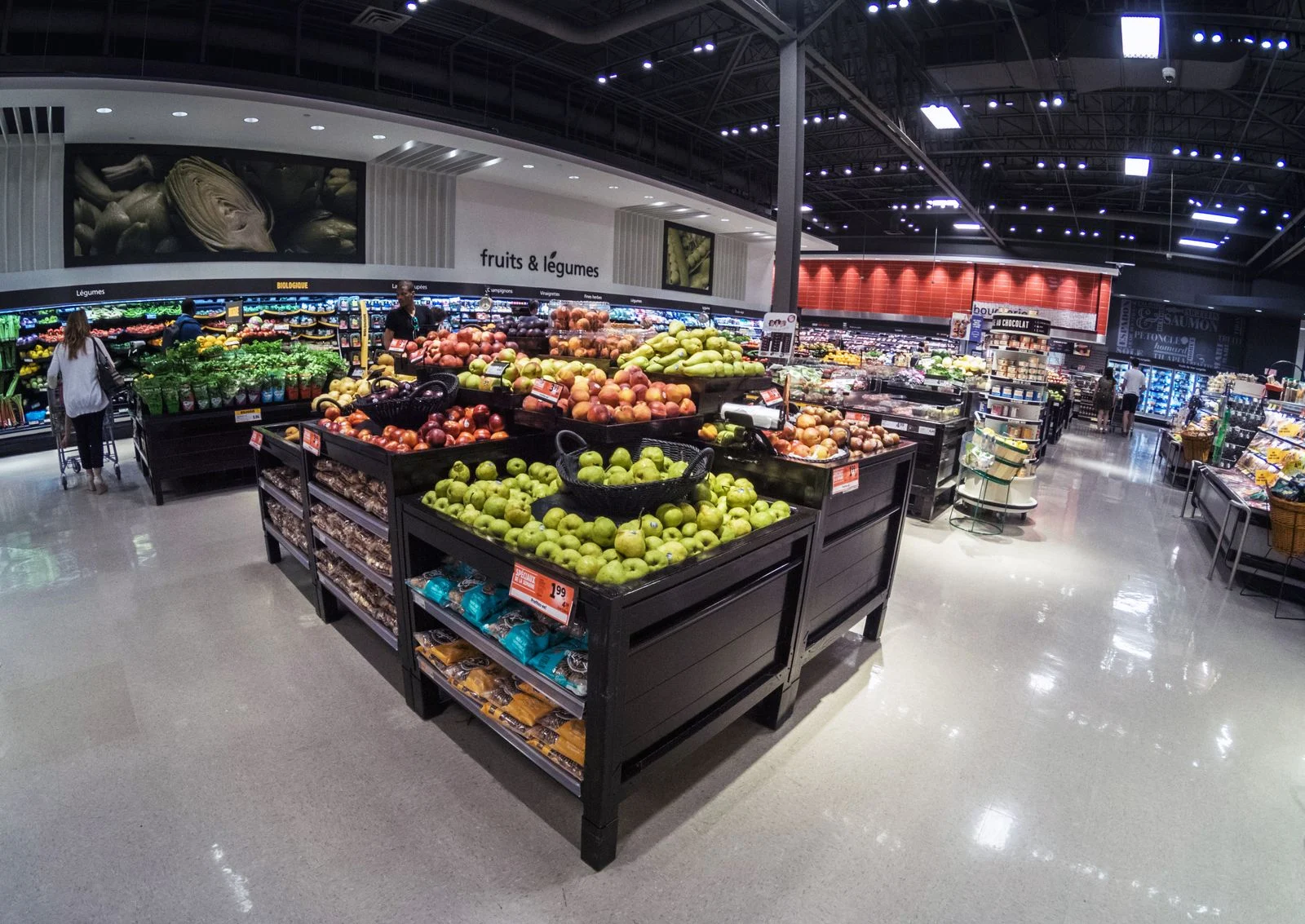
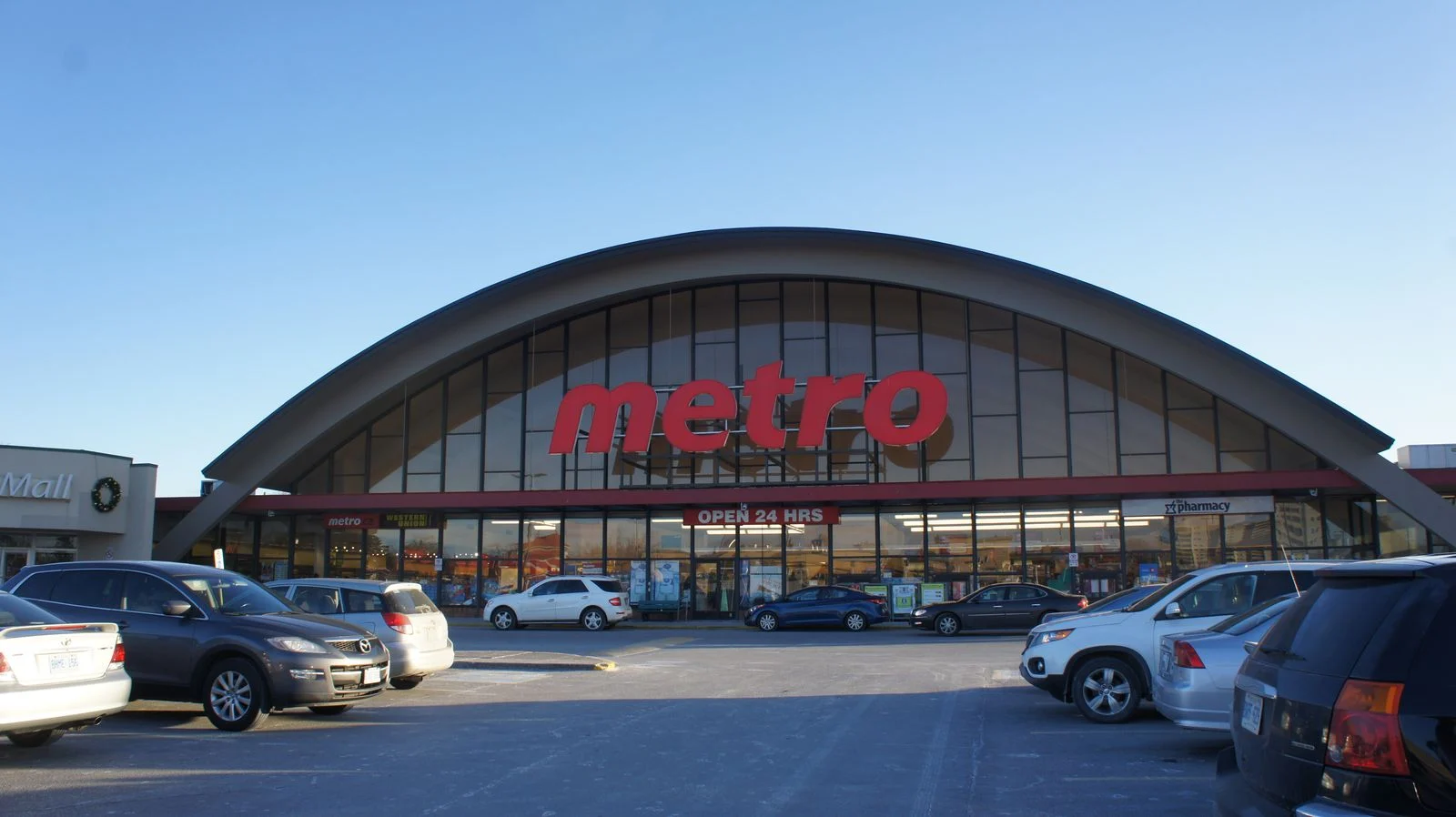
For a company doing more than $22 billion in annual sales, with 97,000-plus employees, roughly 1,000 food stores — Metro, Metro Plus, Super C, Food Basics, Adonis and Première Moisson — and about 640 pharmacies, a single produce warehouse should not be a single point of failure. Yet the Laval facility feeds produce to more than 350 supermarkets across Quebec, which is why the strike rippled far beyond one parking lot.
Operations Restart September 27
Metro says resumption of operations at the distribution centre will begin gradually on September 27, with an emphasis on doing it safely. After six months of contingency logistics, “gradual” is the honest word — you do not reboot a provincial produce pipeline overnight.
“We are pleased with the ratification of this new collective agreement, which establishes a stable and predictable framework for the coming years,” said Caroline Larocque, Metro’s vice-president of logistics and distribution for Quebec. “We thank the teams who helped keep our operations running during the dispute, and we are now focusing our efforts on a gradual and safe resumption of operations.”
What This Means for Quebec Shoppers
If you shop at Metro, Super C or Adonis, the practical effect should be steadier produce availability and pricing in the weeks ahead as the Laval pipeline returns to normal. Six months of workaround distribution is exactly how you end up with thin shelves and grumbling at the checkout.
Maplestime will provide updates from the Metro Laval distribution centre resumption as announcements are made.
Have a tip about the Metro Laval strike or Quebec grocery labour? Email [email protected]
Have a correction? Email [email protected]
Do you think Metro paid up because six months was the breaking point — or would the deal have looked the same in week two? Tell us in the comments. And share this with every Canadian still watching grocery prices climb.
Enjoying Maplestime? Support independent Canadian journalism — no paywall, no corporate owners.