




Canadian news: the Quebec End Clock Changes plan means this weekend’s fall rollback could be the last time Quebecers ever turn their clocks back.
By Maplestime News Desk | Quebec City, Quebec | October 29, 2026
Sources: The Weather Network, The Northern Current | Last updated: October 29, 2026
Key Takeaways
- Quebec’s government announced the Quebec End Clock Changes plan on October 28, 2026, with legislation planned to end seasonal clock changes.
- This weekend’s change still happens: on Sunday, November 1, 2026, at 2 a.m., clocks go back one hour to 1 a.m., returning to standard time.
- The November 1 rollback is intended to be the last. This is a plan, not an enacted law yet.
- Quebec has NOT decided between permanent daylight time and permanent standard time.
- Next steps include a short parliamentary commission hearing with experts, plus consultation with the public and opposition parties.
What Quebec Announced
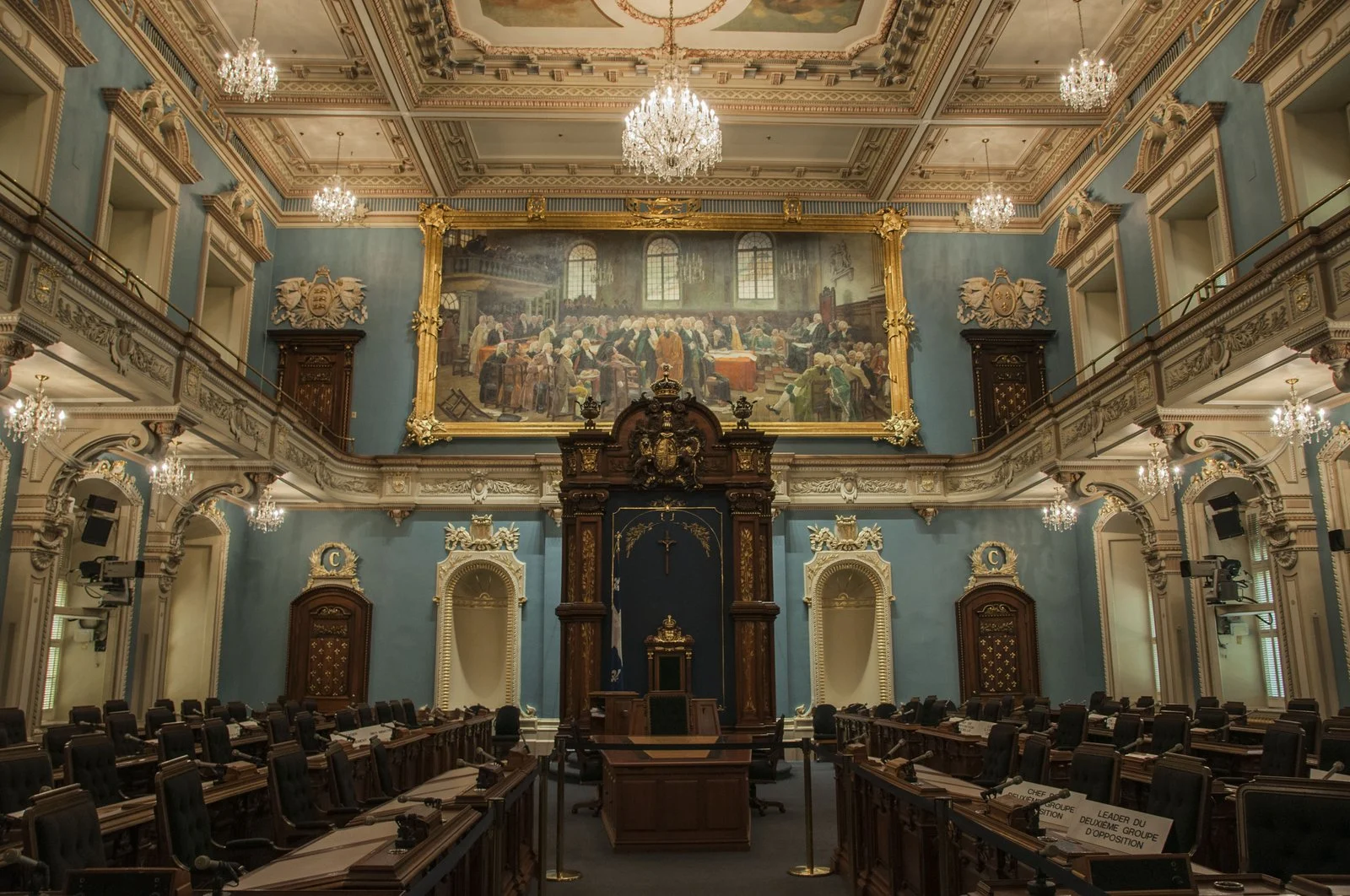
The Quebec End Clock Changes announcement came on October 28, 2026 from Justice Minister Marie-Claude Sarrazin. Premier Paul St-Pierre Plamondon also posted on social media that same day, saying this weekend will very likely be the last time Quebecers turn back their clocks.
The premier’s message was aimed squarely at parents. He wrote: “To all the parents who will be dealing with their children’s reactions this time change in the several weeks to come: this is probably the last year we’ll be imposing such unnecessary constraints on ourselves.”
The quote was posted on Facebook and reported by CBC and The Weather Network. It captures the health argument behind the move: the twice-yearly switch disrupts sleep, routines, and family life, and the government now calls it unnecessary.
One More Clock Change First
Before anything changes, Quebecers still have to change their clocks one more time. On Sunday, November 1, 2026, at 2 a.m., clocks go back one hour to 1 a.m. as the province returns to standard time.
That detail matters, because it is easy to misread this story. The Quebec End Clock Changes announcement does not cancel this weekend’s change. It sets up the November 1 rollback as the one intended to be the last, if the legislation follows.
Quebec End Clock Changes: What Is Not Decided Yet
Two things remain undecided, and both are important. First, the Quebec End Clock Changes plan is not law yet. The government hopes to table a bill in the coming months, after consultation, and the bill still has to pass.
Second, the permanent choice has not been made. Quebec has not decided between permanent daylight time and permanent standard time. That decision will shape winter mornings and summer evenings for years, and it is the part of this debate most likely to divide people once the novelty of ending the switch wears off.
The next step is a short parliamentary commission hearing with experts, plus consultation with the public and opposition parties, after parliamentary work resumes.
Related: Maplestime Canada News
Why This Time Is Different
Quebec has been here before, at least in spirit. On the campaign trail, St-Pierre Plamondon had said he would be open to abolishing the time change, which the Parti Quebecois viewed as counterproductive to health.
A 2024 online public consultation launched by the previous CAQ government found 90% of Quebecers who participated favoured ditching the time change. The CAQ did not move forward. That number comes with a caveat worth stating plainly: it reflects the people who chose to participate in an online consultation, not a poll of all Quebecers.
Still, the combination of a campaign promise, a lopsided consultation result, and a government now saying it will legislate gives the Quebec End Clock Changes attempt more momentum than previous talk.
Why Quebec’s Decision Matters Beyond Quebec
Most of Quebec follows the November 1 change, while the Lower North Shore follows Atlantic Standard Time year-round and does not change. Elsewhere in Canada, British Columbia, Alberta, Manitoba, and the Northwest Territories have already stopped switching.
Ontario is the province watching most closely. Ontario passed a 2020 law saying it would end its time change only if Quebec and New York do the same, so passage of the Quebec End Clock Changes bill would matter directly in Toronto. That makes the Quebec End Clock Changes decision pivotal: if Quebec moves, Ontario’s condition gets one step closer to being met.
For now, though, Quebecers should set their clocks back this Sunday, enjoy the extra hour, and wait for the bill, the hearings, and the permanent-time decision that will determine whether the Quebec End Clock Changes plan really delivers the last switch.
Maplestime will provide updates from Quebec’s plan to end clock changes as announcements are made.
Have a tip about Quebec’s plan to end clock changes? Email [email protected]
Have a correction? Email [email protected]
If Quebec gets to choose, should it keep daylight time all year or standard time all year, and should Ontario follow the moment Quebec moves? Tell us in the comments. And share this with every Canadian who dreads the clock change this weekend.
Enjoying Maplestime? Support independent Canadian journalism — no paywall, no corporate owners.