

Saskatchewan Indigenous rights news — the Standing Buffalo Dakota Nation says nobody told them about the giant AI data centre going up in their traditional territory near Regina, and now Chief Rodger Redman is demanding Bell hand over everything it has. His message was blunt: “We have to live here.”
By Maplestime News Desk | Regina, Saskatchewan | October 6, 2026
Sources: Global News, LetsDataScience | Last updated: October 6, 2026
Key Takeaways
- The Standing Buffalo Dakota Nation sent Bell Canada and BCE Inc. a letter on October 2 demanding full documentation on the AI data centre under construction in the RM of Sherwood, so the Nation can run its own independent assessment of the project.
- The Nation wants environmental studies, permits, groundwater-monitoring information, waste-management and emissions records, equipment-disposal details, and consultation records — plus ecological and cultural baseline studies and assessments of effects across every phase of the project.
- Chief Rodger Redman told Global News the project is “impacting the traditional territories” before those issues were ever addressed, and asked Bell to acknowledge the request within 10 business days and respond substantively within 30.
- The letter was copied to Saskatchewan Premier Scott Moe and Prime Minister Mark Carney, and it also covers a proposed expansion of the facility.
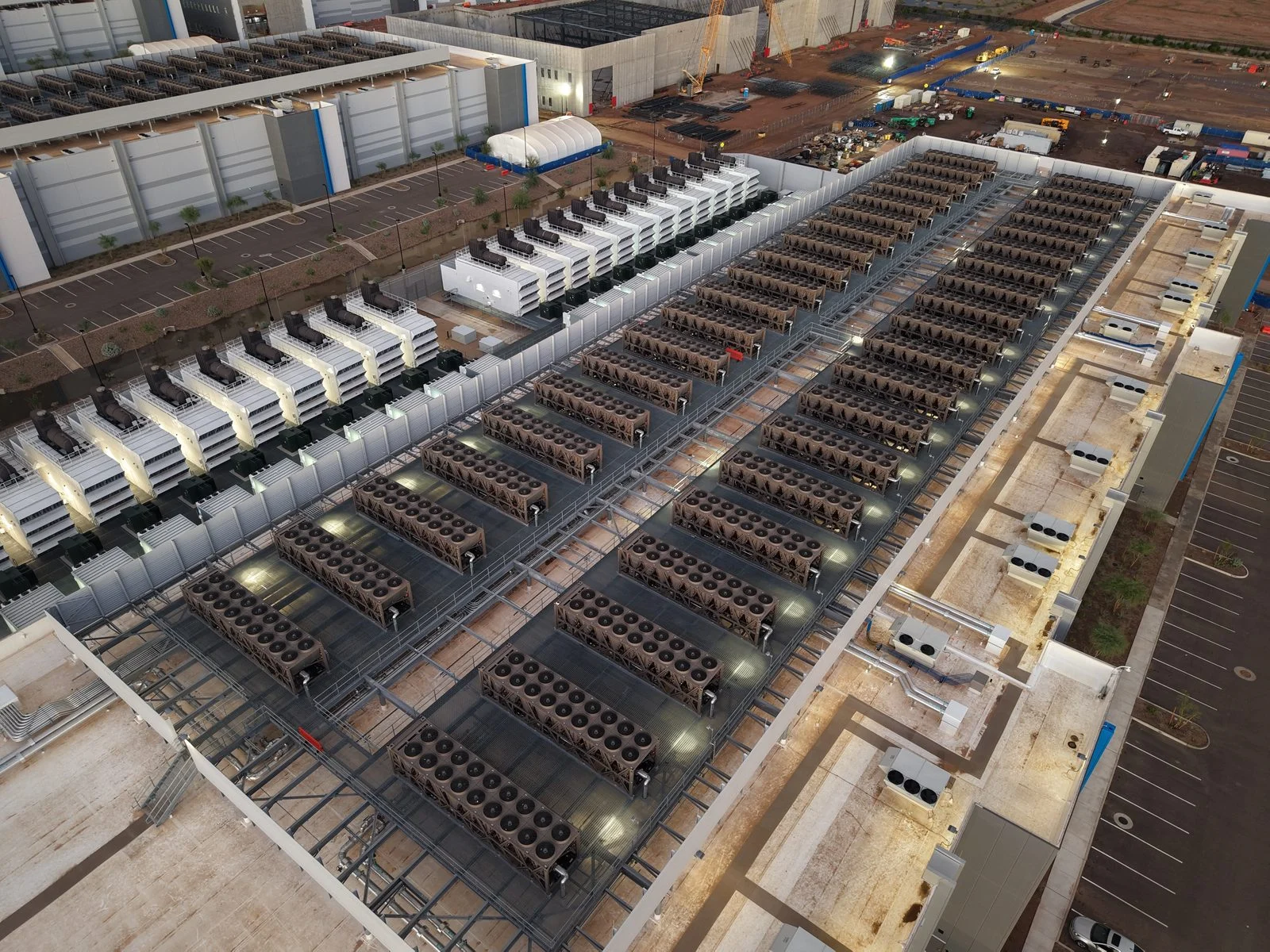
- Bell and the Saskatchewan government touted construction progress on October 1: 500+ people working on site at the 300-megawatt Bell AI Fabric campus, with the first data hall targeting service in the first half of 2027.
What the Standing Buffalo Dakota Nation Is Demanding
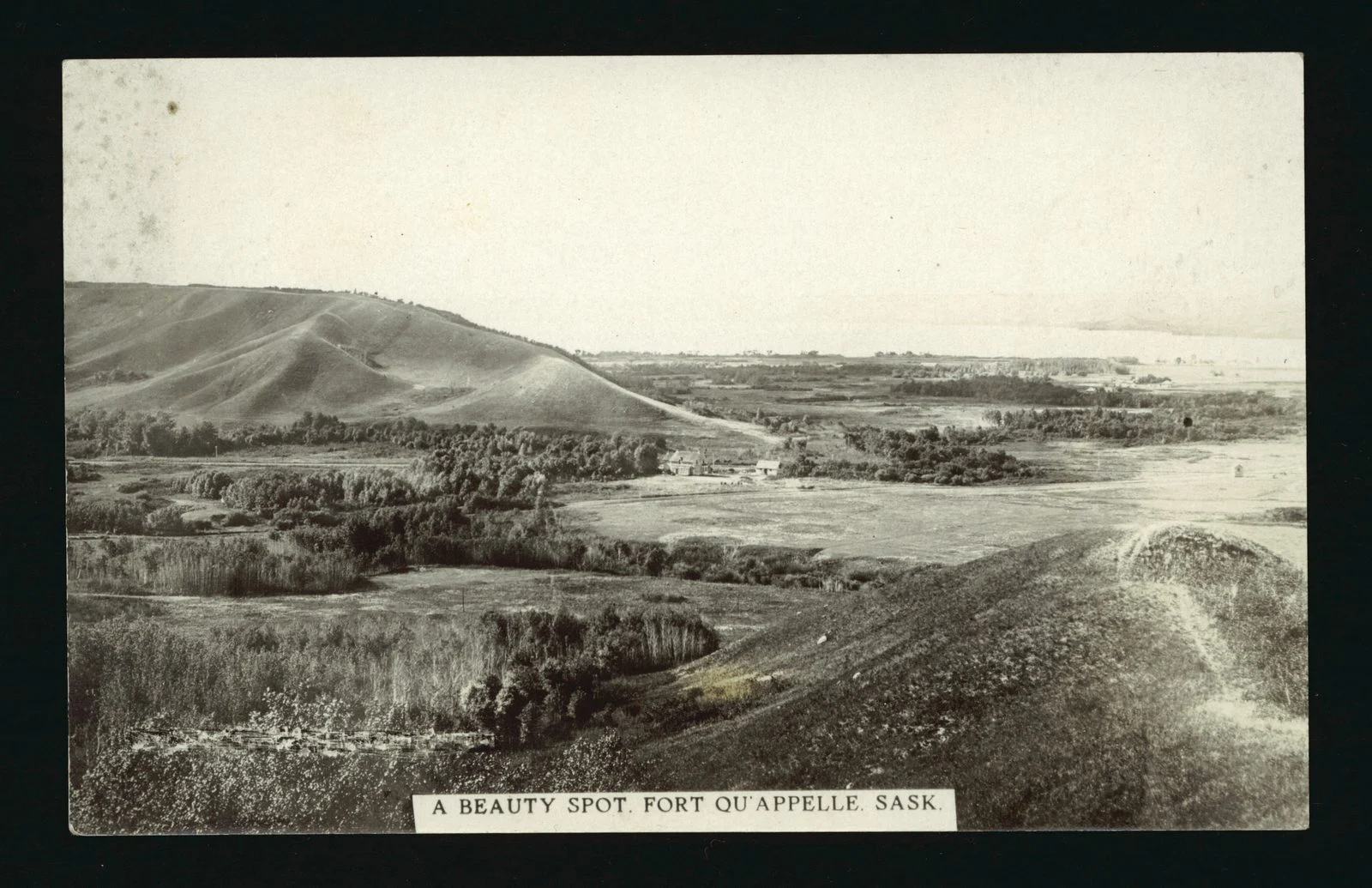
The Standing Buffalo Dakota Nation is based in Fort Qu’Appelle, and it says the data centre site sits within traditional Dakota territory. Its letter identifies that plainly, then asks for the kind of paperwork that rarely gets shared voluntarily: environmental studies and permits, groundwater-monitoring data, waste and emissions records, details of how equipment will be disposed of, and the full record of who was consulted and when. Global News reports the request also seeks ecological and cultural baseline studies, along with assessments of the project’s expected effects across construction, operation, and whatever comes after.
Redman did not dress up the complaint. Speaking to Global News, he said: “These data centres are going to be impacting the traditional territories. Our issue is that we haven’t even addressed that yet. Yet these projects are coming through. That’s what I’m saying — that these issues have to be addressed.”
The Nation also has its own process, and it is telling Bell to use it. The request involves Bell applying for a permit through the Nation and sitting down with its Elders oversight committee. This is not a request for a seat at the table. It is the Nation saying it has its own table, and Bell needs to come sit at it.
A 300-Megawatt Bet Near Regina
Timing matters here, because the project is not some distant proposal. On October 1 — one day before the Nation’s letter — Bell and the Saskatchewan government were celebrating construction progress on the Bell AI Fabric campus. More than 500 people are working on the site, and the first data hall is targeting service in the first half of 2027. The campus is planned at 300 megawatts, and a separate memorandum of understanding points to a potential 1.2-gigawatt hub. That is an enormous amount of power and water demand for a region that is, by the Nation’s account, only now being asked what it thinks.
Why the Standing Buffalo Dakota Nation Letter Went to Ottawa and Regina Too
The letter was not addressed to Bell alone. Copies went to provincial and federal officials, including Premier Scott Moe and Prime Minister Mark Carney. That is the part of this story worth reading twice. The Nation is framing this as a Crown-side obligation as much as a corporate one: the duty to consult does not disappear because the project is digital, modern, and wrapped in AI marketing.
Data centres are suddenly the darlings of provincial economic development across Canada, and governments are competing to land them. But the same projects that promise jobs and investment carry real environmental questions — power draw, water use, emissions, land use — that cannot be answered by a press release about construction milestones. The Standing Buffalo Dakota Nation is asking for the underlying documents so it can judge for itself. Bell has 10 business days to acknowledge the request and 30 days to give a substantive response. The clock is now running.
Maplestime will provide updates from the Standing Buffalo Dakota Nation’s data centre challenge as announcements are made.
Have a tip about the Standing Buffalo Dakota Nation’s data centre challenge? Email [email protected]
Have a correction? Email [email protected]
Should a project this big be allowed to break ground before the First Nation whose territory it sits on has even seen the paperwork — or is Bell building on ground it never bothered to check? Tell us in the comments. And share this with every Canadian watching the AI boom reshape the Prairies.
Enjoying Maplestime? Support independent Canadian journalism — no paywall, no corporate owners.