



Canadian business news — Suncor Energy is getting out of the East Coast. The Calgary oil giant announced Sunday, Oct. 4, 2026, that it will sell its stakes in three offshore Newfoundland oil fields to Ithaca Energy for up to C$1.55 billion — and at the same time cranked its share buybacks up to $750 million a month. The Suncor Ithaca Deal is the clearest signal yet of where Suncor’s money is going: the oil sands.
By Maplestime Business Desk | Calgary, Alberta | October 5, 2026
Sources: The Globe and Mail, BOE Report, Offshore Technology | Last updated: October 5, 2026
Key Takeaways
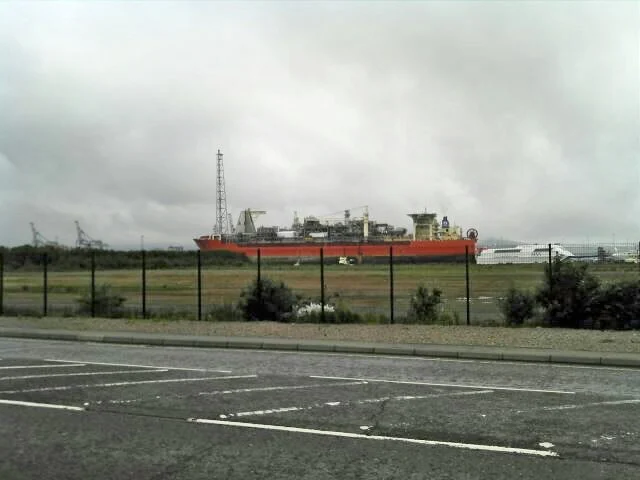
- Suncor (TSX/NYSE: SU) will sell its 48% interest in Terra Nova, 40% in White Rose, and 38.6% in West White Rose to Ithaca Energy plc for C$1.2 billion (US$860 million) upfront cash, plus up to C$350 million (US$250 million) in contingent payments tied to future oil prices — up to C$1.55 billion in total.
- Ithaca Energy, one of the largest independent operators in the UK North Sea, assumes all investment commitments and future liabilities, including a C$500 million regulatory well-compliance program at Terra Nova starting in 2027 and roughly C$1.4 billion in estimated abandonment and lease liabilities.
- Ithaca intends to take over operatorship of Terra Nova under the Suncor Ithaca Deal — its first international acquisition — in an operating environment similar to the UK Continental Shelf.
- The deal has an effective date of July 1, 2026 and is expected to close in early 2027, subject to regulatory approvals and partner consents.
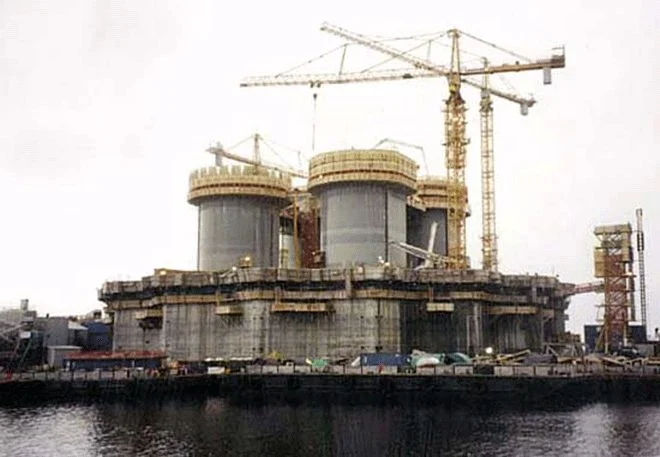
- Suncor keeps its Hibernia and Hebron field interests off Newfoundland; the sale sharpens its focus on oil sands assets in northern Alberta.
- Separately, Suncor raised share repurchases under its normal-course issuer bid from $500 million to $750 million per month, starting October 2026.
Inside the Suncor Ithaca Deal
This is not a fire sale — it’s a strategy. Suncor CEO Rich Kruger said the transaction “further focuses our efforts on opportunities that generate the greatest long-term shareholder value,” aligning the portfolio around the company’s competitive advantages and “unparalleled, physically-integrated business, underpinned by large-scale, long-life oil sands resources.” Translation: Suncor wants its capital where its returns are biggest, and that is the oil sands, not the Atlantic.
For Ithaca, it is a milestone. Executive chairman Yaniv Friedman said the Suncor Ithaca Deal marks Ithaca’s first international acquisition, bringing long-life reserves in an operating environment it knows well from the UK Continental Shelf. Taking over operatorship of Terra Nova gives the British company a real foothold in Canada.
Buybacks Jump as the Oil Sands Bet Doubles Down
The other headline from the Suncor Ithaca Deal announcement was aimed squarely at shareholders: buybacks are going from $500 million to $750 million a month, starting October 2026. That is an extra $3 billion a year flowing back to investors if oil prices hold.
Suncor said its 2026 Investor Day commitments are unchanged: grow normalized free funds flow by $2 billion and cut the WTI breakeven by US$5 a barrel by 2028. The Suncor Ithaca Deal is meant to fund that plan — sell the Atlantic barrels, buy back the stock, and lean harder into northern Alberta.
Related: Alberta Fuel Tax Cut 2026 — What It Means at the Pump
What Suncor Keeps — and What Ithaca Takes On
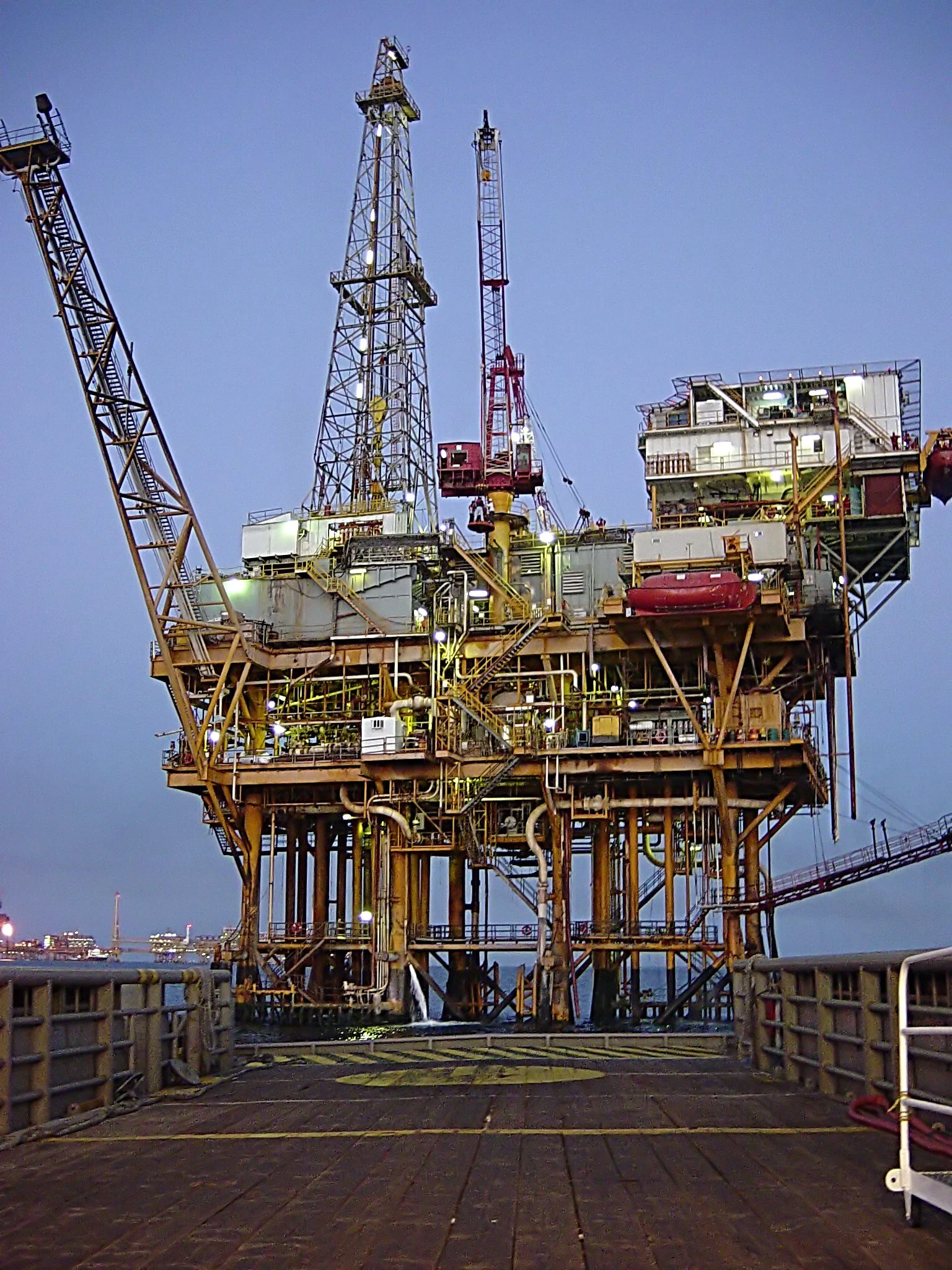
Suncor is not leaving the Atlantic entirely. It retains its Hibernia and Hebron field interests off Newfoundland — the producing assets it apparently considers core. What goes to Ithaca is the non-core package: Terra Nova, White Rose and West White Rose.
Ithaca is not just buying reserves; it is buying the bills. Beyond the C$1.2 billion cash, it picks up the C$500 million Terra Nova well-compliance program beginning in 2027 and an estimated C$1.4 billion in abandonment and lease liabilities. That is a serious commitment to an aging offshore portfolio — and the reason Ithaca gets operatorship of Terra Nova as part of the deal.
What’s Next
The Suncor Ithaca Deal needs regulatory approvals and partner consents before it can close, with the target set for early 2027 and an effective date backdated to July 1, 2026. The contingent C$350 million depends on where oil prices go from here. And investors will be watching whether the fatter $750-million-a-month buyback survives a softer crude market.
Maplestime will provide updates from the Suncor-Ithaca offshore deal as announcements are made.
Have a tip about the Suncor-Ithaca offshore deal? Email [email protected]
Have a correction? Email [email protected]
Suncor walks away with up to $1.55 billion and a sharper oil sands focus; Ithaca walks in with the keys to Terra Nova and $1.9 billion in liabilities. Who really won this deal — and should Canada’s biggest oil company be allowed to quietly exit the East Coast? Tell us in the comments. And share this with every Canadian watching where the country’s energy money is moving.
Enjoying Maplestime? Support independent Canadian journalism — no paywall, no corporate owners.