


Nova Scotia news — The legislature just did something rare: everyone agreed. On Friday, MLAs unanimously backed a motion to put up highway and place-name signs honouring 52 historic African Nova Scotian Communities across the province — from Africville to Shelburne, Cherry Brook to the Prestons.
By Maplestime News Desk | Halifax, Nova Scotia | September 20, 2026
Sources: Canadian Trends (Canadian Press), Daily Guardian | Last updated: September 20, 2026
Key Takeaways
- The Nova Scotia legislature unanimously passed an NDP motion on Friday, Sept. 18, 2026, to install signs recognizing 52 historic African Nova Scotian Communities.
- The motion, brought forward by Halifax MLA Suzy Hansen, passed with all-party support and no debate — a rare moment of unity in the chamber.
- Communities to be recognized include Africville, Shelburne, Cherry Brook, Sydney, and East and North Preston.
- The push comes more than two centuries after roughly 3,500 Black Loyalists arrived in Nova Scotia in 1783, forming the first major group of Black settlers in the province.
African Nova Scotian Communities Get Unanimous Backing
No debate. No division. On Friday, September 18, every MLA in the Nova Scotia legislature voted yes on an NDP motion calling for highway and place-name signs that honour 52 historic African Nova Scotian Communities across the province.
The motion was introduced by Halifax MLA Suzy Hansen. It passed with all-party support, without a single word of opposition being raised in the chamber — a rarity at Province House, where motions like this usually attract at least a bit of wrangling over wording, cost, or timing. This time, there was none of that. Just a vote, and a result everyone could stand behind.
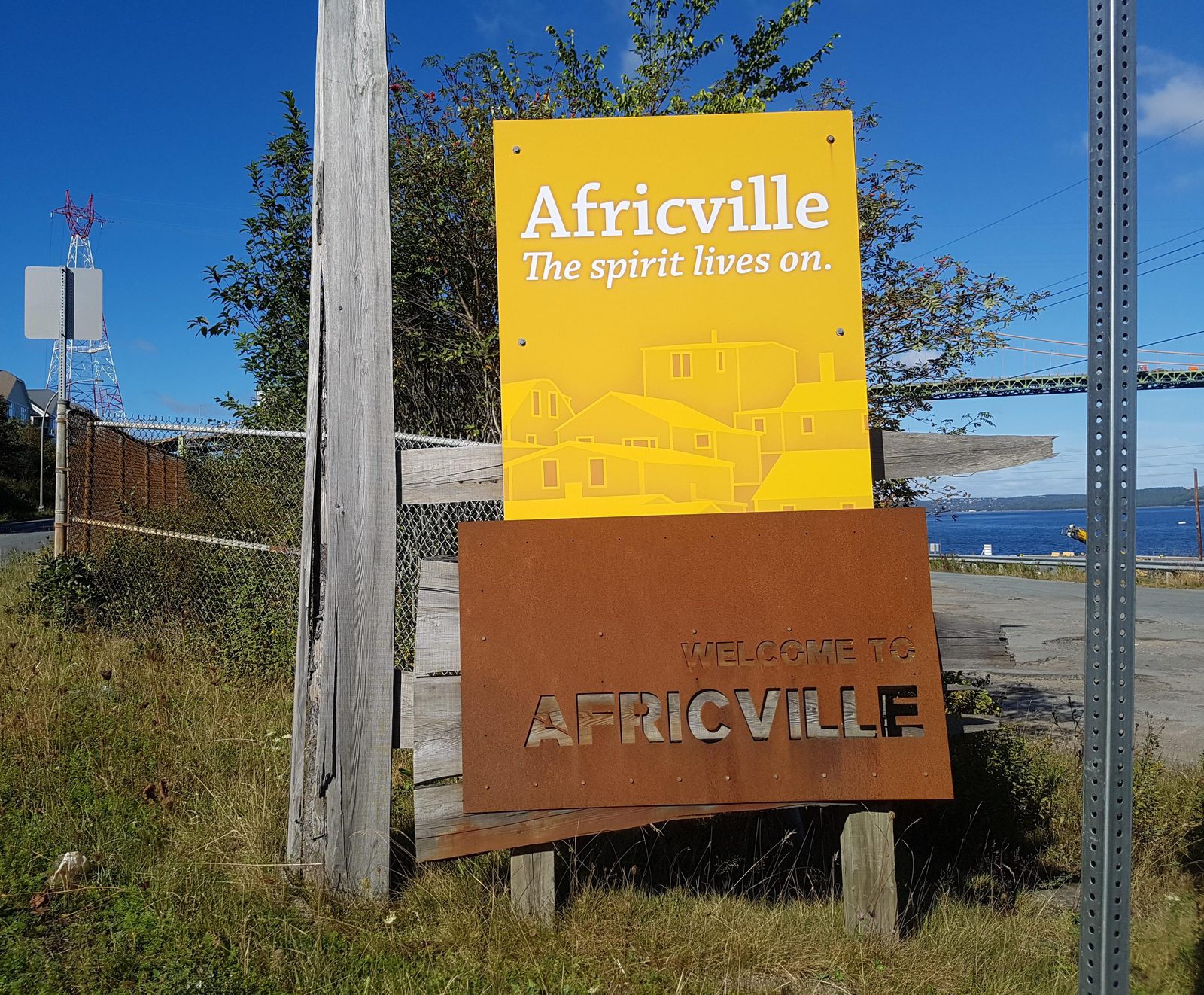
The signs will recognize communities whose names carry generations of history but have too often been missing from the map people actually drive. Places like Africville, Shelburne, Cherry Brook, Sydney, and East and North Preston are among the 52 historic African Nova Scotian Communities slated to be marked.
Why These Signs Matter
Drive through Nova Scotia today and you’d be forgiven for not knowing some of these communities exist. Many of the 52 historic African Nova Scotian Communities were founded centuries ago, yet have little in the way of public markers — no highway signs, no place-name plaques, nothing to tell a passing driver that something worth knowing about happened here.
That’s the gap these signs are meant to close. A sign on a highway is a small thing, but it’s also one of the most democratic forms of recognition there is: it tells every single person who drives past that a community is real, that it has a name, and that its history counts enough to be written down in steel and reflective paint.
For the African Nova Scotian Communities that will be recognized, the signs are about visibility in the most literal sense — being seen, on the road, by everyone.
A History More Than Two Centuries Deep
The roots of these communities stretch back to 1783, when roughly 3,500 Black Loyalists arrived in Nova Scotia as the first major group of Black settlers in the province. They came seeking the freedom and land they’d been promised, and while those promises were too often broken, they built towns, churches, and communities that endured.
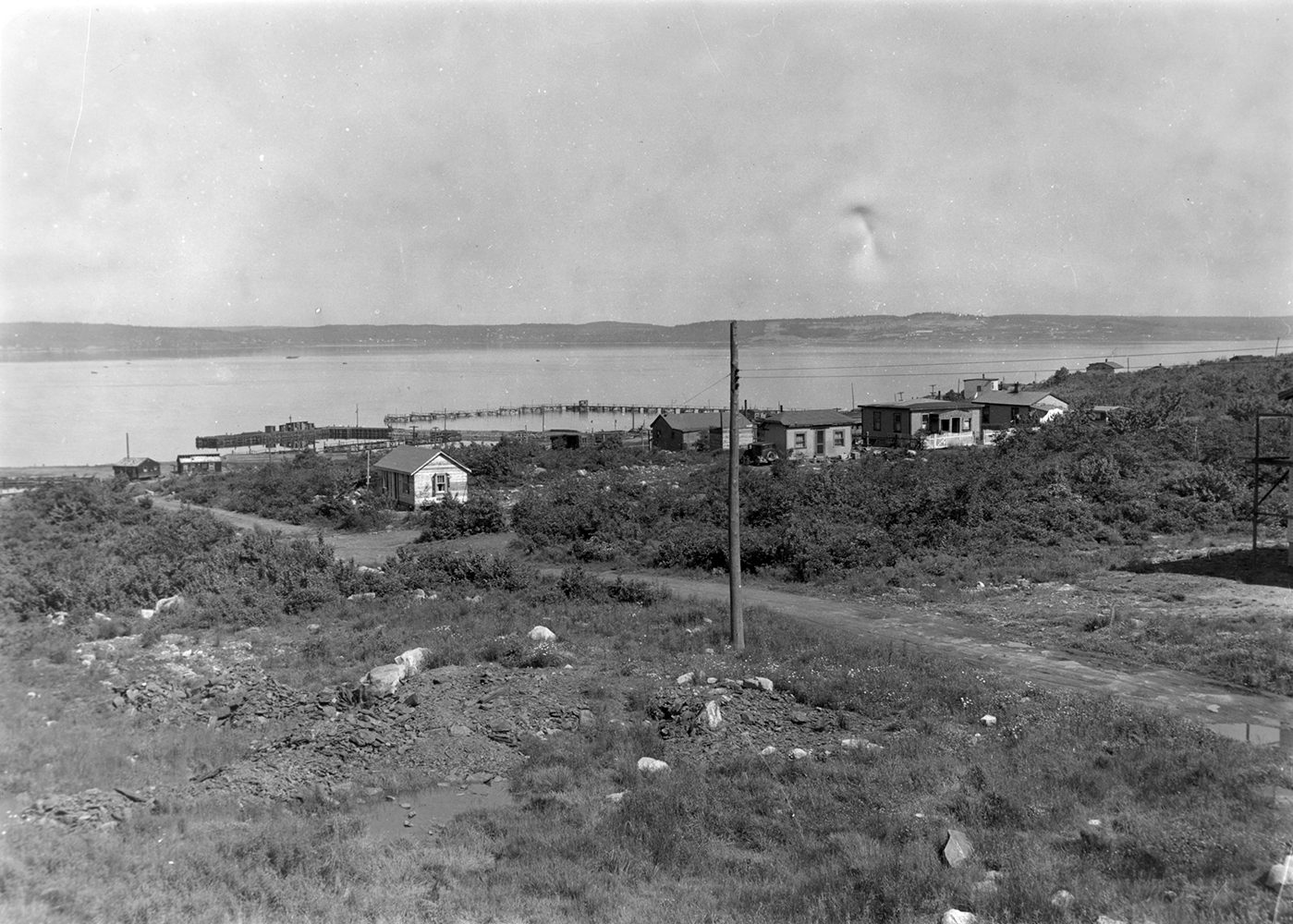
Africville, perhaps the most widely known of the 52, was a thriving Black community on Halifax’s Bedford Basin until it was razed in the 1960s — a chapter of Nova Scotia history that remains painful and contested to this day. Shelburne holds one of the earliest Black settlements in the province. The Prestons, Cherry Brook, and Sydney each carry their own long histories of Black Nova Scotian life.
What ties all 52 of these African Nova Scotian Communities together is survival: through displacement, underinvestment, and generations of being overlooked, they held on. The signs are, in a sense, the province saying so out loud.
An Emotional Moment in the Chamber
For Suzy Hansen, the Halifax MLA who brought the motion forward, the unanimous vote carried real emotional weight. The rare moment of unity in the chamber moved her, and she said she is “overjoyed” by the all-party support behind the motion.
Hansen said she looks forward to being able to “drive through the province and see signs highlighting Black heritage.” It’s a simple image — a drive, a road, a sign — but it captures what this is really about. Heritage that you can point to from the driver’s seat.
What Comes Next for the Signs
The motion passed without debate, but the practical work — designing the signs, choosing exact locations, working with the affected communities — is still ahead. Hansen’s motion sets the political direction; the province’s transportation and heritage officials will now need to work out the details.
A few things worth watching:
- Community input: Residents of the 52 African Nova Scotian Communities will rightly expect a say in how their towns are named and presented on the signs.
- Design and wording: Place-name signs are standard; heritage recognition signs may carry additional text or symbols that tell the story.
- Timeline: No date has been announced for when the first signs go up.
One thing is certain: when the first of these signs goes up along a Nova Scotia highway, it will mark something bigger than a place name. It will mark a province deciding that its Black history belongs on the map — literally.
That’s worth a unanimous vote. And it’s worth the drive to go see them.
Maplestime will provide updates from African Nova Scotian Communities as announcements are made.
Have a tip about African Nova Scotian Communities? Email [email protected]
Have a correction? Email [email protected]
Should every one of the 52 historic African Nova Scotian Communities get its sign before the province spends a dollar on anything else symbolic? Tell us in the comments. And share this with every Canadian who drives these roads.
