


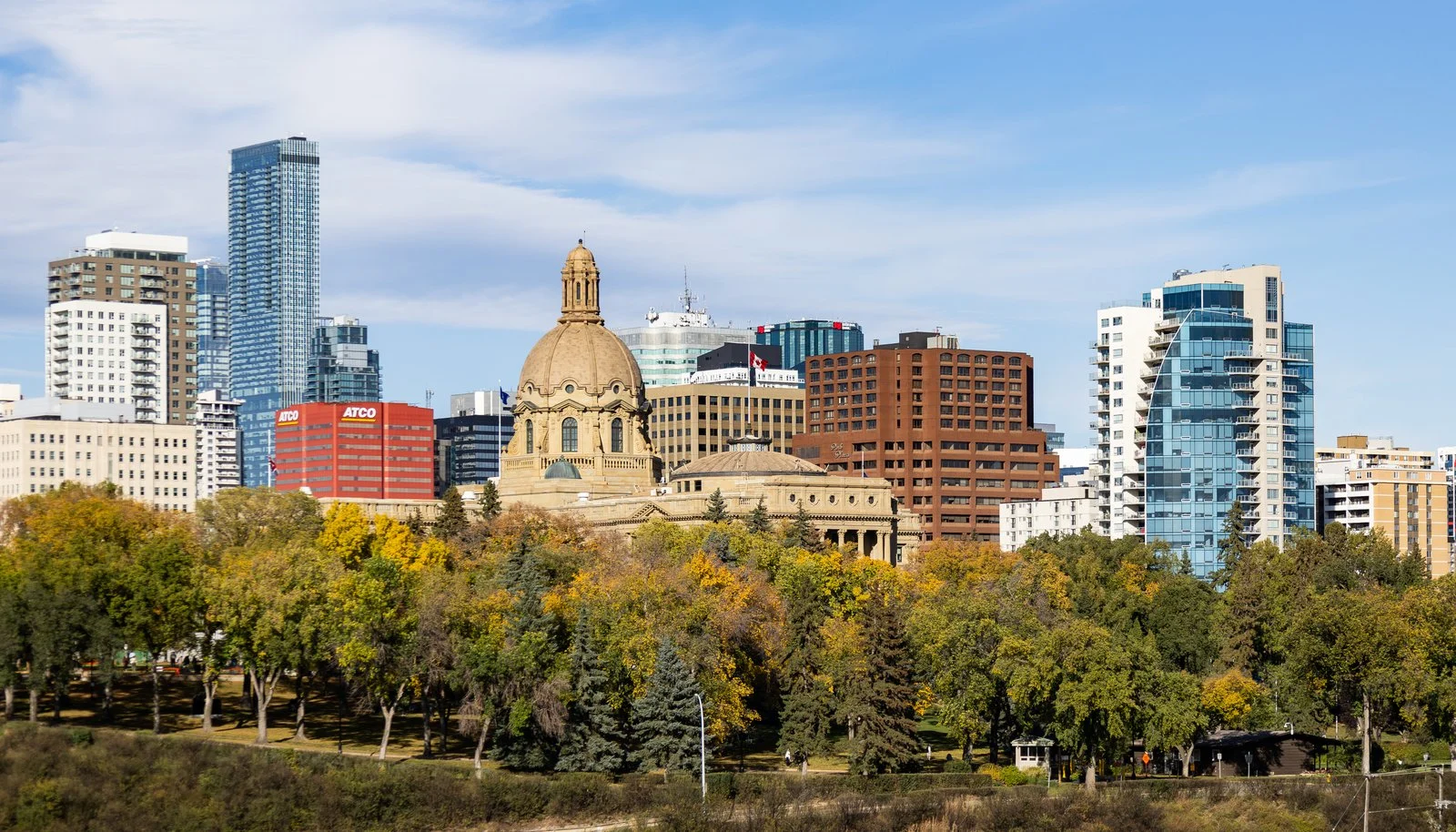
Canadian politics news — Alberta is putting $2.5 million into 36 community groups that help survivors of gender-based violence find their way through a justice system that too often feels built for everyone except them.
By Maplestime Politics Desk | Alberta | October 24, 2026
Sources: Alberta.ca, Palliser Post | Last updated: October 24, 2026
Key Takeaways
- Alberta announced $2.5 million on Friday, October 23, 2026, through the Community Pathways to Justice grant for the 2026-27 fiscal year.
- 36 community organizations are funded: 14 in Calgary, 7 in Edmonton, 7 in central Alberta, 4 in southern Alberta and 4 in northern Alberta.
- Funded services include justice-system navigation, safety planning, crisis intervention and restorative justice programming.
- Southern Alberta recipients include Big Hill Haven, Taber Safe Haven Women’s Shelter Society, True North Society and Mountain View Emergency Shelter Society.
- The grant supports Alberta’s 10-year Strategy to End Gender-Based Violence.
The announcement, made Friday, October 23, 2026, is not a new shelter or a new law. It is something less visible and, for many survivors, more useful: people who know the system and can walk beside you through it. The $2.5 million, delivered through the Community Pathways to Justice grant, funds front-line groups across the province for the 2026-27 fiscal year.
That spread matters. Fourteen funded organizations are in Calgary, seven in Edmonton, seven in central Alberta, four in southern Alberta and four in northern Alberta. A survivor in a small southern Alberta town faces a very different set of barriers than someone in downtown Calgary, and this funding map at least tries to meet people where they actually live. The point of funding work against gender-based violence close to home is simple: help should not require a trip to Calgary.
What gender-based violence Funding Pays For
The funded services are practical, not abstract. Justice-system navigation means helping someone understand their options, what a report sets in motion, and what happens next. Safety planning means working through the real risks in a person’s daily life. Crisis intervention is help in the moment it is needed. Restorative justice programming offers another path for those who want it.
None of that shows up in a headline the way a new building does. But anyone who has watched a survivor give up halfway through a process they did not understand knows that navigation is often the difference between getting help and walking away.

Southern Alberta Groups Named
Four southern Alberta recipients were named in the announcement: Big Hill Haven (Cochrane Women’s Emergency Shelter Society), Taber Safe Haven Women’s Shelter Society, True North Society and Mountain View Emergency Shelter Society. These are the kinds of organizations that already hold trust in their communities, and the grant builds on that trust rather than starting from scratch.
Justice Minister Mickey Amery put it this way in the Alberta.ca release: “Our government is proud to support community organizations that understand the unique needs of the people they serve, and the barriers victims can face when seeking help. This year’s grant funding will strengthen front-line supports, helping Albertans understand their options, access the services they need and navigate the justice system with greater confidence.”
That last phrase, greater confidence, is the honest test of this money. Survivors of gender-based violence do not only need services to exist. They need to believe those services will treat them fairly and keep them safe when they use them.
Part of a Longer Strategy on gender-based violence
The grant supports Alberta’s 10-year Strategy to End Gender-Based Violence. It also sits within a bigger funding picture: a four-year, $54-million bilateral agreement between Alberta and the federal government, signed in 2023, under the National Action Plan to End Gender-Based Violence.
Measured against $54 million over four years, $2.5 million for one year is modest. It is a single grant stream, not the whole strategy. But grants like this one are where strategy turns into a phone call answered, a safety plan written and a court date attended with support instead of alone.
The question now is whether 36 funded groups, spread from Calgary to northern Alberta, can reach the people who need them most, especially outside the big cities. The money is announced. The work of proving it helps is just starting. For people living with gender-based violence, the proof will be in whether help arrives faster, not in how the announcement reads.
Maplestime will provide updates from Alberta’s gender-based violence supports as announcements are made.
Have a tip about Alberta’s gender-based violence supports? Email [email protected]
Have a correction? Email [email protected]
Do you think $2.5 million spread across 36 groups is enough to change how survivors experience justice in Alberta, or is it a drop in the bucket? Tell us in the comments. And share this with every Canadian who believes survivors deserve real help, not just promises.
Enjoying Maplestime? Support independent Canadian journalism — no paywall, no corporate owners.