



Manitoba news: Treaty-Based Economic Development is the demand the Assembly of Manitoba Chiefs put to Premier Wab Kinew the day after the throne speech, and the message is blunt: First Nations will not be an afterthought while Manitoba triples mineral production and ships more through the Port of Churchill.
By Maplestime News Desk | Winnipeg, Manitoba | November 19, 2026
Sources: Assembly of Manitoba Chiefs | Last updated: November 19, 2026
Quick Answer: Treaty-Based Economic Development is the Assembly of Manitoba Chiefs’ answer to the Manitoba throne speech. Grand Chief Kyra Wilson wants First Nations recognized as sovereign Treaty partners, with full participation in planning and decisions, equitable revenue sharing, and a clear plan for the promised Crown-Indigenous corporation tied to the Port of Churchill corridor.
Key Takeaways
- The Assembly of Manitoba Chiefs responded on November 18 to the throne speech read on November 17 by Lt.-Gov. Anita Neville.
- Grand Chief Kyra Wilson demands Treaty-Based Economic Development, equitable revenue sharing and recognition of First Nations as sovereign Treaty partners.
- The AMC is still waiting for a substantive response from Premier Wab Kinew on the Natural Resources Transfer Agreement.
- The province plans to triple critical mineral production and grow shipments through the Port of Churchill.
- The AMC also welcomed throne speech commitments on the Egg Lake treatment centre, childcare in Norway House Cree Nation and northern health services.
What does Treaty-Based Economic Development actually mean?
Treaty-Based Economic Development means First Nations at the table from the start, not called in after the decisions are made. The Assembly of Manitoba Chiefs laid out four specific demands in its November 18 statement, and each one is about power, not just money.
First, full First Nations participation in every aspect of development, including planning, governance, decision-making, environmental stewardship, ownership, investment, implementation and oversight. Second, equitable and ongoing revenue sharing arrangements that recognize First Nations rights and ensure their Nations benefit directly from the wealth generated from their lands and resources. Third, a clear implementation plan for the promised Crown-Indigenous corporation, with First Nations involved from the outset in determining its governance, mandate and priorities. Fourth, formal government-to-government discussions on the Natural Resources Transfer Agreement, including the historical and ongoing impacts of resource development and the need for meaningful structural change.
Grand Chief Kyra Wilson framed Treaty-Based Economic Development as a question of who First Nations are. First Nations need to be recognized as Nations with their own authorities, economies and responsibilities to their territories, she said. We want the Province to work alongside First Nations leadership to advance a Treaty-based economic vision in which First Nations are recognized as Nations with their own authorities, economies and responsibilities to their territories.

Why is the Port of Churchill at the centre of this?
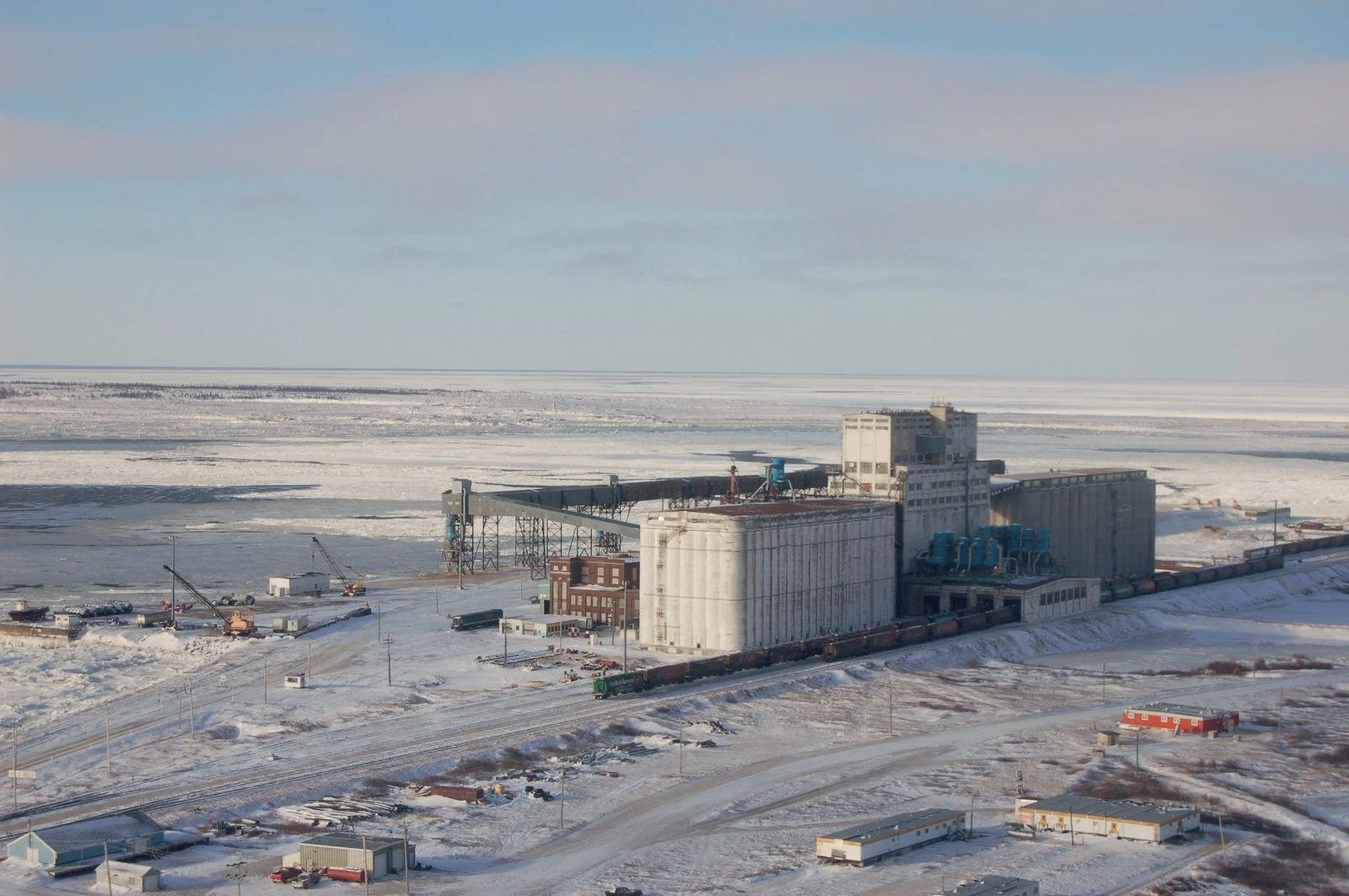
Because Churchill is where Manitoba’s economic ambitions meet First Nations territory. As the province advances plans to expand critical mineral production and increase shipments through the Port of Churchill, the AMC says First Nations must be recognized as sovereign Nations and Treaty partners, with inherent rights and authority over their lands, resources and economic futures.
For Wilson, the port is where Treaty-Based Economic Development becomes real, not just a phrase in a statement. Churchill should not only be a gateway for Manitoba’s resources, she said. It can be a gateway to a different economic future for First Nations. The AMC wants a broader First Nations economic corridor, one that does not simply move Manitoba’s resources to international markets, but creates lasting economic capacity, ownership opportunities and equitable revenue sharing for First Nations and northern communities connected to the port.
The province has already promised a Crown-Indigenous corporation to advance economic development connected to Churchill, but the AMC says that commitment has yet to be realized as promised. As Manitoba announces further plans for critical minerals and northern trade, the AMC is seeking clarity on the status of that commitment, a concrete implementation timeline and meaningful First Nations participation in determining the corporation’s mandate, governance and economic priorities. Without it, Treaty-Based Economic Development has no vehicle to carry it.
The throne speech also announced a new Chief Mining Officer to help advance the province’s goal of tripling critical mineral production. Wilson’s question is direct: will First Nations be full participants in shaping these developments, or will our Nations once again be treated as an afterthought? That is the test of Treaty-Based Economic Development in practice: who shapes the decisions, and who shares the revenue.
At the recent First Nations-First Ministers Meeting in Ottawa, Chief Delhia Hart of Marcel Colombe First Nation spoke about the two gold mines being developed in her territory and the need to ensure First Nations have the foundations necessary to prosper before resource development proceeds. Wilson quoted her: First Nations are not communities to be serviced. We are Nations, with our own governments, laws and citizens. If Canada can make sure a mine has everything it needs before it opens, it can work with us to do the same for the Nations whose lands it stands on.
The AMC has spent the past year building its own economic relationships, including trade missions and international engagement with India, Japan, Mexico and most recently China. The message is that First Nations will pursue Treaty-Based Economic Development with or without Ottawa and Winnipeg. They are pursuing investment, trade and economic opportunities with partners who recognize the importance of First Nations economic advancement.
What is the NRTA, and why does it still matter?
The Natural Resources Transfer Agreement, implemented in 1930, transferred administration and control of Crown lands and natural resources to Manitoba. First Nations were not parties to the agreement, despite its significant implications for their Treaty rights, traditional territories and land-based livelihoods. The AMC maintains that First Nations never surrendered their inherent and Treaty rights to their lands and resources.
The AMC continues to await a substantive response from Premier Kinew regarding the NRTA. For the AMC, the agreement represents more than a longstanding dispute over resource control. It reflects a history in which First Nations were excluded from decisions about resource development and equitable participation in the wealth generated from their territories, while continuing to experience the environmental, economic, social and cultural consequences. Treaty-Based Economic Development cannot work while the question of who controls the resources stays unanswered.
Wilson’s closing words in the statement carry the weight of that history. For generations, wealth has been generated from our lands and resources while First Nations have been excluded from sharing equitably in those revenues, she said. At the same time, our people have lived with the consequences of decisions made without us, including impacts on our lands, waters and traditional ways of life. We cannot continue that approach under the name of economic reconciliation.
The AMC did acknowledge parts of the throne speech it supports, including the first phase of the Egg Lake treatment centre with Opaskwayak Cree Nation, expanded childcare spaces in Norway House Cree Nation and stronger northern health services. But it added a condition that runs through the whole statement: investments in health care, children and families must respect First Nations jurisdiction, support First Nations-led services and address the barriers facing citizens both on and off reserve.
Related: Manitoba Legislature Throne Speech Opens Fourth Session Tuesday
Frequently Asked Questions
What is Treaty-Based Economic Development?
Treaty-Based Economic Development is the Assembly of Manitoba Chiefs’ framework for economic growth that treats First Nations as sovereign Treaty partners, with full participation in planning, governance and decisions, equitable and ongoing revenue sharing, and authority over their lands, resources and economic futures.
What is the Natural Resources Transfer Agreement?
The NRTA sits at the root of the Treaty-Based Economic Development debate. Implemented in 1930, it transferred administration and control of Crown lands and natural resources to Manitoba. First Nations were not parties to it, and the AMC says they never surrendered their inherent and Treaty rights to their lands and resources. The AMC is still awaiting a substantive response from Premier Kinew on the agreement.
Did the AMC welcome anything in the throne speech?
Yes. The AMC acknowledged commitments to support the first phase of the Egg Lake treatment centre with Opaskwayak Cree Nation, expand childcare spaces in Norway House Cree Nation and strengthen northern health services, while insisting those investments respect First Nations jurisdiction and support First Nations-led services.
Maplestime will provide updates from the Assembly of Manitoba Chiefs as announcements are made.
Have a tip about the Assembly of Manitoba Chiefs? Email [email protected]
Have a correction? Email [email protected]
Manitoba is about to triple mineral production on lands First Nations never surrendered. Should the cheques and the decisions be shared from the start, or is economic reconciliation just a line in a speech? Tell us in the comments. And share this with every Manitoban who wants to know where the wealth goes.
Enjoying Maplestime? Support independent Canadian journalism — no paywall, no corporate owners.