


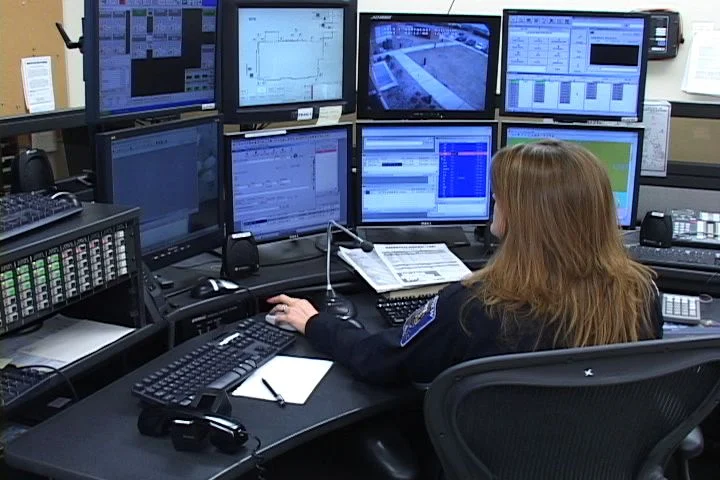
B.C. emergency news — E-Comm, which answers 99% of British Columbia’s 911 calls, began migrating the province’s aging analog 911 system to the digital Next-Generation 9-1-1 network on September 24, 2026, with Vancouver Island communities going live first and a full cutover targeted for the end of November.
By Maplestime News Desk | Vancouver, British Columbia | September 25, 2026
Sources: GlobeNewswire, E-Comm | Last updated: September 25, 2026
Key Takeaways
- E-Comm started its phased migration to Next-Generation 9-1-1 on September 24, 2026, a federally mandated CRTC transition.
- Vancouver Island communities are the first to go live; the province-wide switch is targeted for the end of November 2026.
- B.C. committed $150 million to NG9-1-1 in 2023, with $90 million directed to E-Comm.
- The UBCM is running a $60 million municipal funding intake, open from September 14 to November 13, 2026.
- Callers will eventually be able to reach 911 by text and send photos or video to dispatchers.
What Is Next-Generation 9-1-1?
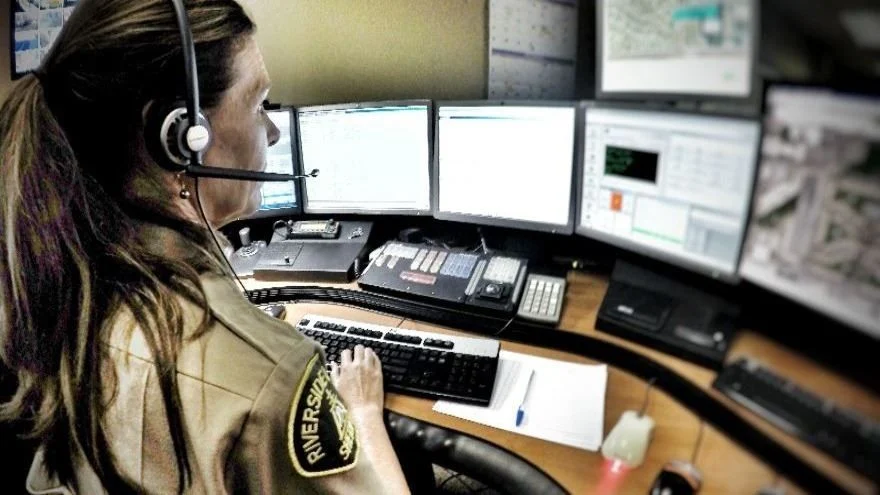
For most of its history, 911 in B.C. has run on analog technology — the same basic setup that carried emergency calls for decades. Next-Generation 9-1-1 replaces that with a digital, internet-based network. The practical difference for ordinary people: one day, you’ll be able to text 911 instead of calling, and eventually send photos or video from a scene straight to the dispatcher taking your call.
The move isn’t optional. The CRTC has mandated the transition across Canada, and E-Comm — the agency behind 99% of B.C.’s 911 calls — is now executing it region by region.
The Phased Rollout Plan
E-Comm is doing this carefully, in phases. Vancouver Island communities went live first this week. Over the coming weeks, more regions of the province will cut over to the digital network, with the full transition targeted for the end of November 2026.
That timeline is ambitious for a system this critical — 911 is one piece of public infrastructure that cannot go down for maintenance. A phased approach means any problem in one region stays contained while the rest of the province keeps running on the old network.
The Money Behind Next-Generation 9-1-1
The province put its weight behind this back in 2023, committing $150 million to the NG9-1-1 transition, including $90 million earmarked for E-Comm. On top of that, the Union of B.C. Municipalities (UBCM) is currently running a $60 million funding intake for municipalities, with applications open from September 14 to November 13, 2026.
That’s a lot of money for infrastructure most people never think about — until the night they need it.
What E-Comm Says
“E-Comm’s transition to Next Generation 9-1-1 is a critical step in modernizing how emergency calls are received and managed…” — Nancy Blair, Interim President & CEO of E-Comm.
It’s the kind of quote you’d expect from a press release, but the underlying point holds: the analog network has done its job for decades, and the emergencies of the 2020s — wildfires, floods, floods of calls — need tools the old system was never built to carry.
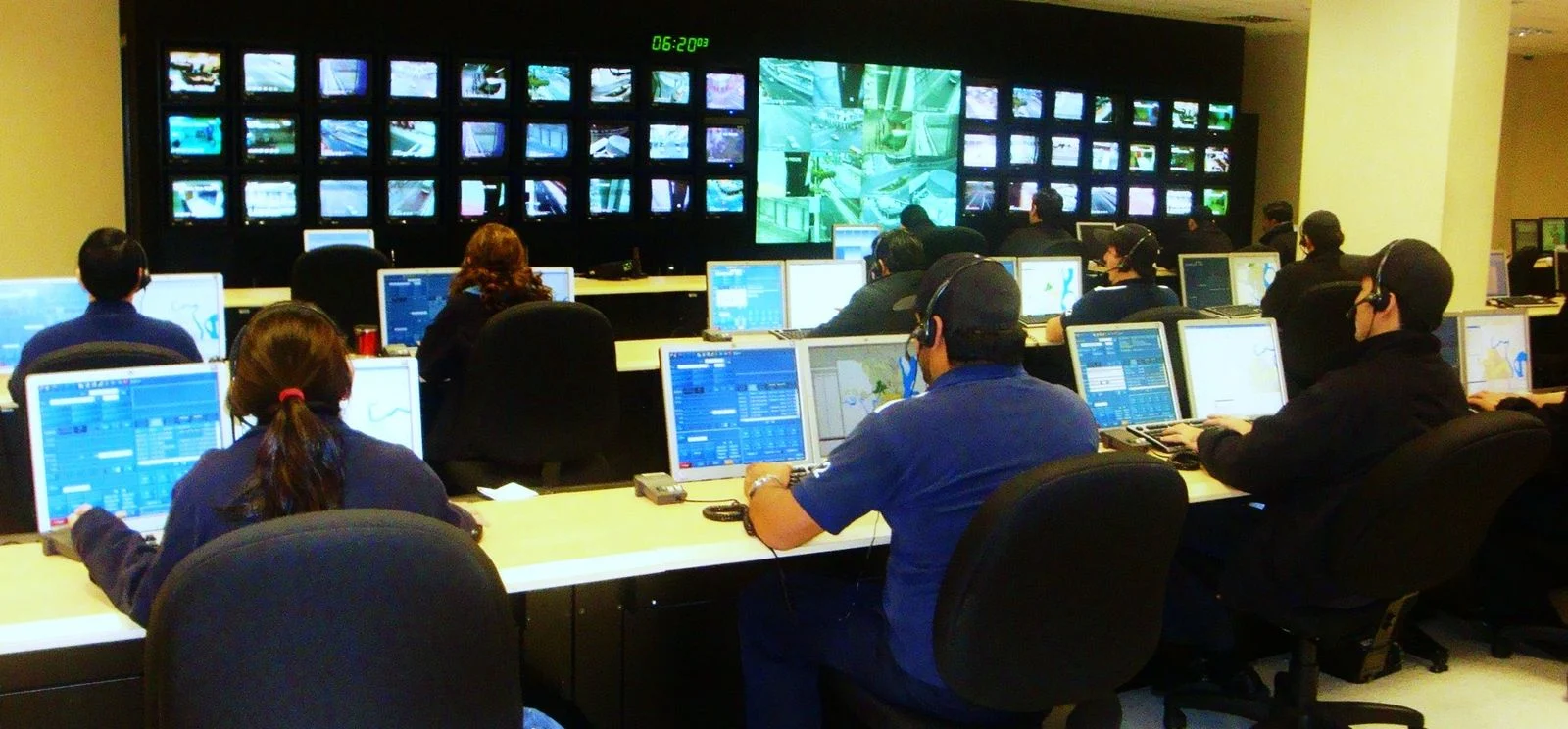
Maplestime will provide updates on B.C.’s Next-Generation 9-1-1 migration as more regions go live through November 2026.
Have a tip about this story? Email [email protected]
Have a correction? Email [email protected]
Should 911 be the piece of government infrastructure that moves fastest into the digital age — or does a system this vital deserve to be the last one they touch? Tell us in the comments. And share this with every Canadian who’s ever wondered what happens after they dial those three digits.
Enjoying Maplestime? Support independent Canadian journalism — no paywall, no corporate owners.