



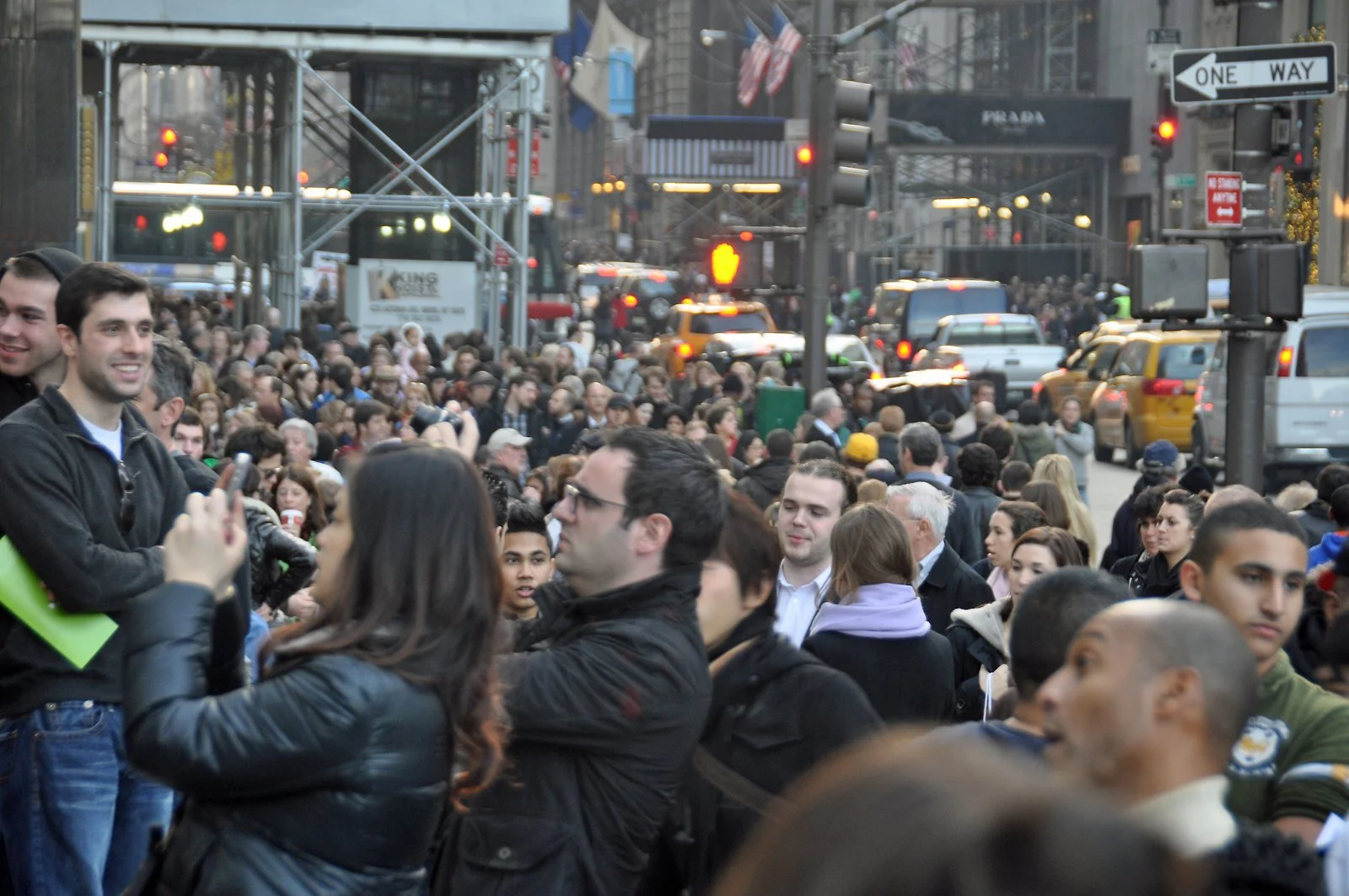
Canadian business news: Ontario Holiday Budgets are shrinking fast, with shoppers in the province planning to spend $952 this Christmas, down $143 or 13 percent from last year, even as Black Friday looms on November 27.
By Maplestime Business Desk | Toronto, Ontario | November 22, 2026
Sources: Retail Council of Canada, JLL Canada, CCentral | Last updated: November 22, 2026
Quick Answer: Ontario Holiday Budgets are down 13 percent this year, with the average Ontario shopper planning to spend $952, down from $1,095 last year. Nationally, Canadians plan to spend $911, down $64 from $975. Inflation is the main reason shoppers are cutting back, but most still expect to buy everything on their list.
Key Takeaways
- Ontario shoppers plan to spend $952 this Christmas, down $143 or 13 percent, one of the sharpest provincial drops.
- Nationally, Canadians plan to spend $911, down $64 or 6.5 percent from $975 last year.
- Black Friday on November 27 ranks among the top three shopping days for 88 percent of shoppers, and 52 percent rank it first.
- Inflation is the top reason to cut back, named by 48 percent, though 82 percent are confident they can still buy everything planned.
- A second survey tells a different story on total spending, because it counts experiences and travel as well as gifts.
Why Are Ontario Holiday Budgets Falling So Fast?
The numbers come from the Retail Council of Canada and Leger 9th annual Holiday Shopping Survey, which polled more than 2,500 shoppers. The national average of $911 is down $64, or 6.5 percent, from $975 last year. Ontario fell much harder, down $143, or 13 percent, one of the sharpest provincial drops.
Alberta has the largest planned budget at $1,184, while Quebec has the smallest. Manitoba and Saskatchewan, along with Quebec, are the only regions planning to spend more than last year.
Just 22 percent of Canadians say they will spend less this year, while 52 percent plan to spend about the same and 22 percent plan to spend more. Inflation is the top reason to cut back, named by 48 percent, yet 82 percent are confident they can buy everything planned.
What Will Black Friday and Cyber Monday Capture?
Black Friday on November 27 still rules the season. It ranks among the top three shopping days for 88 percent of shoppers, up from 84 percent, and 52 percent rank it first. Cyber Monday is climbing too, named by 72 percent of shoppers, up from 64 percent. Black Friday and the Cyber Monday and Cyber Week period are each expected to capture about 29 percent of holiday budgets.
A Boston Consulting Group study of 1,000 Canadians puts the average Black Friday budget at $530, with essentials at 38 percent and lower priced items at 24 percent. It also found 46 percent of shoppers are using or plan to use generative AI while shopping, and fewer than half trust a marked down price at face value.
Why Do Two Surveys Point in Opposite Directions?
The JLL Canada Holiday Shopping Report, released November 17, says Canadians plan to spend an average of $2,093 this holiday season, up 14 percent, or $260, from reported 2025 spending. That looks like the opposite of the Retail Council survey, but JLL counts experiences and travel as well as gifts.
Experiences account for $1,073 of the JLL total, up 25 percent, and make up 51 percent of holiday budgets. Gifts are just $677, virtually unchanged from last year, while other holiday goods add $343, up 16 percent. Canadians are spending more on trips, shows and outings, while the money going to presents under the tree is flat or falling. Both surveys can be right at the same time.
A Money Mart and Angus Reid survey of 1,503 Canadian adults found nearly 80 percent expect inflation to weigh heavily on holiday spending, nearly six in 10 plan to spend less than in 2025, and 55 percent will buy on credit.
Related: Tariffs Upend Manitoba Holiday Season As Winnipeg Shops Raise Prices
Frequently Asked Questions
How much do Ontario shoppers plan to spend this Christmas?
$952 on average, down $143 or 13 percent from last year.
When is Black Friday in 2026?
November 27. It ranks among the top three shopping days for 88 percent of shoppers, and 52 percent rank it first.
Why does the JLL survey show spending rising while the Retail Council survey shows it falling?
Because JLL counts experiences and travel as well as gifts, while the Retail Council survey counts retail gift spending. Gift spending is flat, while experiences are up 25 percent.
Maplestime will provide updates from Ontario holiday spending as announcements are made.
Have a tip about Ontario holiday spending? Email [email protected]
Have a correction? Email [email protected]
Do you think Ontario shoppers are being smart by cutting back, or is inflation stealing Christmas before it even starts? Tell us in the comments. And share this with every Canadian planning their holiday budget this weekend.
Enjoying Maplestime? Support independent Canadian journalism — no paywall, no corporate owners.