

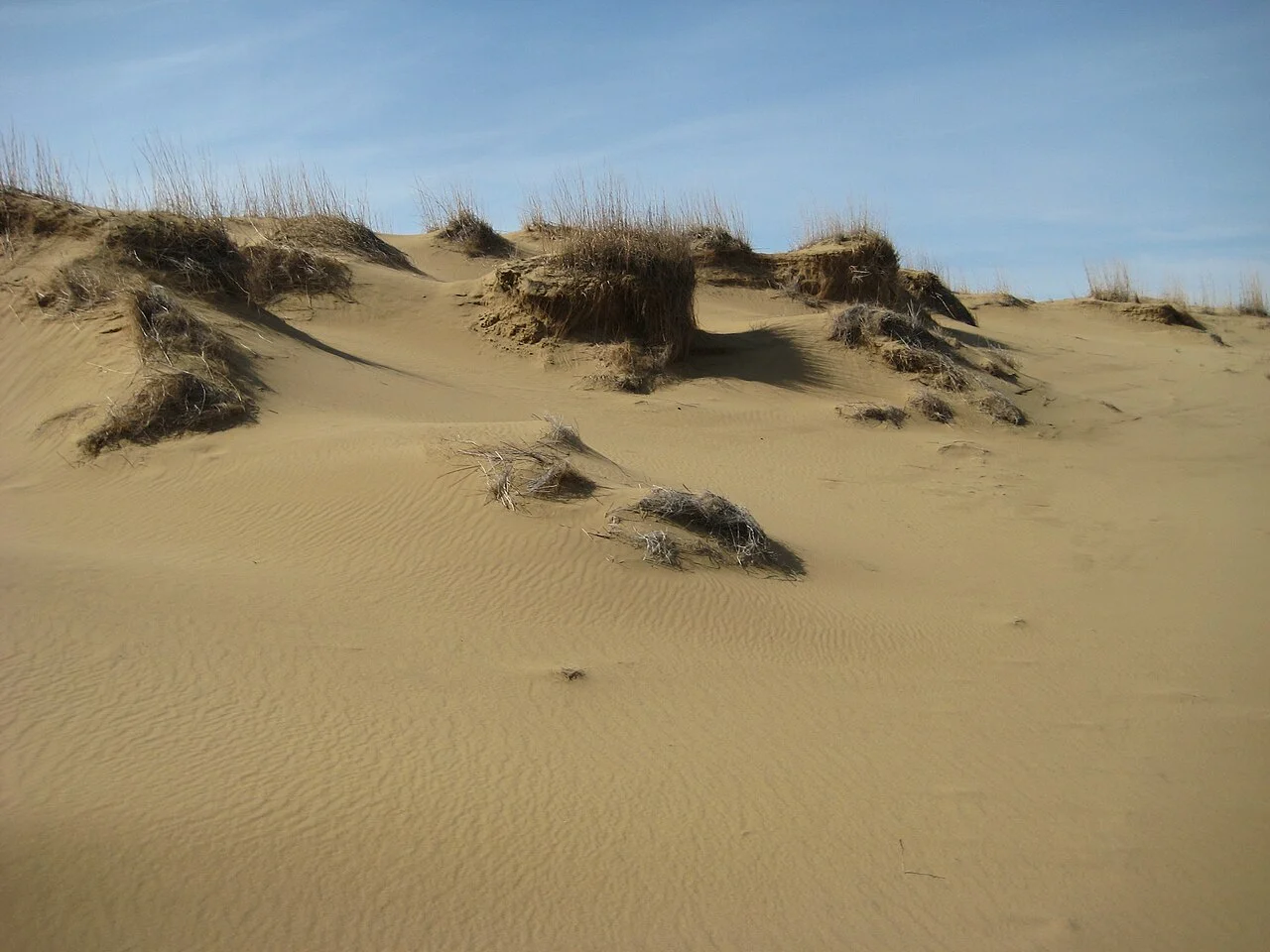
Manitoba First Nations news: Black River First Nation intends to mine high purity quartz sand on its own land in partnership with Sio Silica, and Chief Sheldon Kent says the First Nation will go ahead with or without a licence from the Manitoba government.
By Maplestime Manitoba Desk | Winnipeg, Manitoba | November 23, 2026
Sources: CBC News | Last updated: November 23, 2026
Key Takeaways
- Black River First Nation, on the east shore of Lake Winnipeg, is partnering with Sio Silica to harvest high purity quartz sand on First Nation land.
- Chief Sheldon Kent says the sand harvesting could start as early as next year, and the First Nation will proceed with or without the province.
- The Southern Chiefs Organization announced a preliminary agreement with German manufacturer RCT Solutions on a solar project that would rely on the sand, and the organization is working toward up to 51 percent ownership in a Manitoba facility that would manufacture solar panels and glass.
- Sio Silica is still seeking an environmental licence to drill for sand in the RM of Springfield. Premier Wab Kinew cast doubt in June on approving the company’s second licence effort, and the NDP government denied an earlier application in 2024.
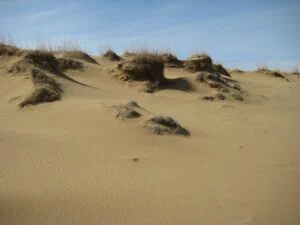
- The sand below the surface of southeastern Manitoba is 99.85 percent pure silica.
What Black River First Nation Announced
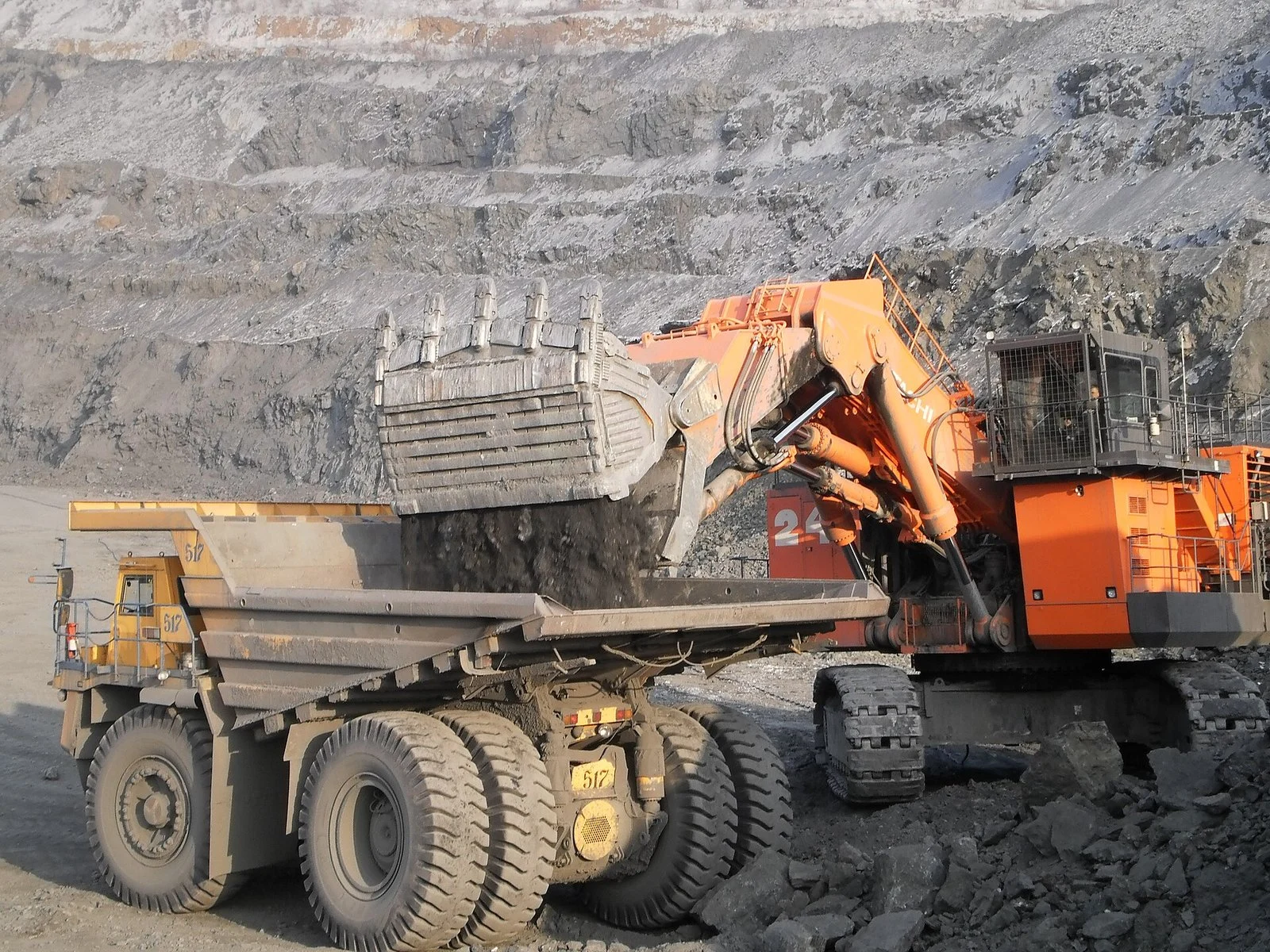
Chief Sheldon Kent made the announcement Monday morning at the Southern Chiefs Organization office in Winnipeg. Kent said the First Nation has its own jurisdiction and its own right to do the project. “The land is ours,” he said, adding “we are going to go forward with or without the province.”
Kent said the First Nation reviewed the environmental plan and found it sustainable, workable and safe, and that the community would not get involved in a project that would destroy what it has. He added that he does not need to go to court and will simply occupy the land the First Nation already has and start mining it.
Related: Shoal Lake 39 Takes Its $2 Billion Water Fight to APTN as Winnipeg Aqueduct Case Advances
The Solar Plant Plan and the 51 Percent Stake
Separately, Southern Chiefs Organization Grand Chief Jerry Daniels announced a preliminary agreement with German manufacturer RCT Solutions on a solar project that will rely on the sand. Daniels said an ownership stake could give First Nations a say in how the facility is developed and operated, and a share in the returns it generates. He said opportunities like this can help a young person in one of the nations learn a trade, build a career and raise a family close to home.
RCT Solutions founder Peter Fath said his solar sector is growing fast but does not have enough high purity quartz. “You have the fuel of our industry,” he said of Manitoba’s sand, adding that Manitoba, with its hydroelectric power, has a chance to become a green manufacturing hub. He also said that without the province’s support, the plan will not work.
One figure needs care: in July 2023, Fath said he wanted to build a multibillion dollar solar panel production campus near Winnipeg employing close to 8,000 people. That was a 2023 proposal. No jobs figure and no revenue figure for the Black River partnership itself was given on Monday, so do not present the 8,000 jobs figure as part of this project.
The Licence Fight With the Province
Sio Silica is hoping to obtain an environmental licence to drill for sand in the RM of Springfield. The Manitoba Clean Environment Commission reviewed the project and reported in 2023, and the NDP government denied the company’s earlier application in 2024 over risks to drinking water and the possible collapse of the aquifer below. Kinew cast doubt in June on approving the company’s second effort to obtain a licence.
The CBC report does not reconcile the Springfield drilling location with harvesting on Black River First Nation land in detail, and it does not quote any water or aquifer concern in this article. The province was asked for a response and none was quoted. In August 2025, Brokenhead Ojibway Nation voted against a partnership with Sio Silica, with 181 band members voting no and 129 voting yes.
What Happens Next
Kent expects the sand harvesting to start as early as next year. The ideal scenario, he said, is that the Manitoba government grants the licence. The Southern Chiefs Organization continues its work toward an ownership stake in the solar panel and glass facility. The licence decision, and whether the First Nation proceeds on its own land regardless, is the next thing to watch.
Maplestime will provide updates from the Black River First Nation and Sio Silica project as announcements are made.
Have a tip about this story? Email [email protected]
Have a correction? Email [email protected]
Do you think a First Nation should be able to mine sand on its own land without a provincial licence, or should the province have the final say? Tell us in the comments. And share this with every Manitoban following the silica sand fight.
Enjoying Maplestime? Support independent Canadian journalism — no paywall, no corporate owners.
Discover more from MaplesTime
Subscribe to get the latest posts sent to your email.