


Manitoba news — A Federal Court judge has scolded Ottawa for “shirking its responsibilities” to Manitoba First Nations under the First Nations Land Deal that was meant to settle the province’s treaty land debts, calling years of federal delays “simply not acceptable” in a ruling released this weekend.
By Maplestime News Desk | Winnipeg, Manitoba | October 5, 2026
Sources: CBC News, ByteEU | Last updated: October 5, 2026
Key Takeaways
- Federal Court Justice Julie Blackhawk ruled on Aug. 21 that Ottawa has stalled implementation of the 1997 Manitoba Framework Agreement with “vague references” to its duty to consult other Indigenous communities.
- About 445,000 hectares are owed to the 21 First Nations eligible under the deal; just over half had been converted to reserve land as of last March.
- “Canada cannot hide behind a vaguely defined duty to consult to hold up its fulfillment of the settlement for an indefinite period of time,” Blackhawk wrote. “This is not reconciliation [or] upholding the honour of the Crown.”
- The federal government’s stated commitment to reconciliation “rings hollow in the circumstances of this case,” she wrote.
A Land Debt Three Decades Old
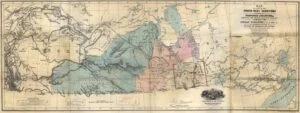
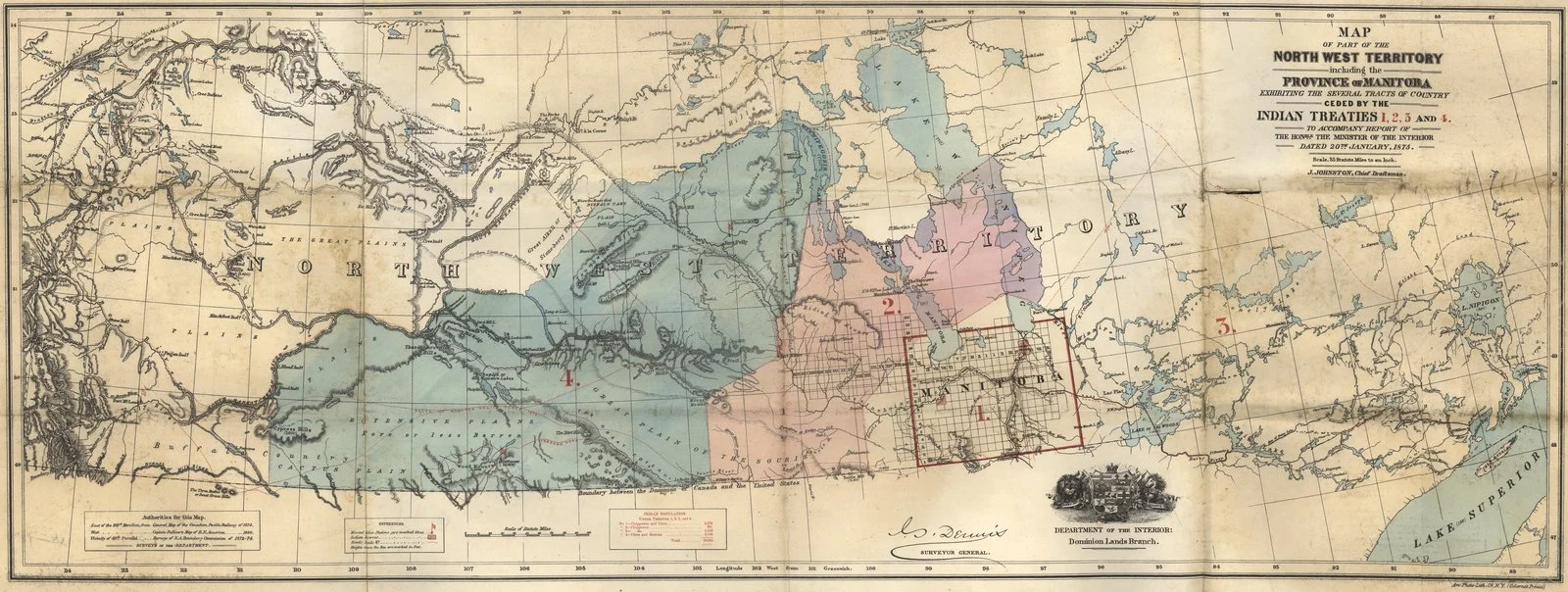
The First Nations Land Deal at the heart of the ruling is the 1997 Manitoba Framework Agreement, signed by the province, the federal government, and the Treaty Land Entitlement Committee of Manitoba. It was meant to resolve historic treaty land shortages for First Nations that received insufficient land under Treaties 1, 3, 4, 5, 6 and 10.
The numbers tell the story of the stall in this First Nations Land Deal. Roughly 445,000 hectares are owed to the 21 First Nations eligible under the agreement — and as of last March, just over half had been converted to reserve land, according to the committee’s annual report. Nearly thirty years after the deal was signed, the debt is still only half-paid.
What the First Nations Land Deal Ruling Says
Ottawa’s excuse, Justice Blackhawk found, was a series of “vague references” to its duty to consult other Indigenous communities. She ruled that this duty “does not detract” from Canada’s obligations under the deal.
“Canada cannot hide behind a vaguely defined duty to consult to hold up its fulfillment of the settlement for an indefinite period of time,” she wrote — adding that the government’s conduct was “simply not acceptable” and amounted to “shirking its responsibilities.”
Her sharpest words were aimed at the gap between Ottawa’s reconciliation rhetoric and its record:
“It is disheartening to see that three decades after the successful negotiation of a modern agreement aimed at settling outstanding Treaty obligations, the relationship between the parties continues to be marred by distrust and now represent[s] more broken promises.”
“This is not reconciliation [or] upholding the honour of the Crown,” she wrote, concluding that the federal government’s stated commitment to reconciliation “rings hollow in the circumstances of this case.”
Related: Black Canadian Communities Program 2026 — Ottawa Launches $135.7M Fund at Winnipeg Summit
Why It Matters for Manitoba
This is not an abstract dispute in an Ottawa boardroom — the First Nations Land Deal involves real Manitoba communities waiting on real land. The 21 First Nations waiting on this land are Manitoba communities, and the treaty land shortfalls go back to Treaties 1, 3, 4, 5, 6 and 10 — some of the oldest agreements between Canada and Indigenous nations on the Prairies. Every year of delay is another year a community waits for land that was promised, negotiated, and signed.
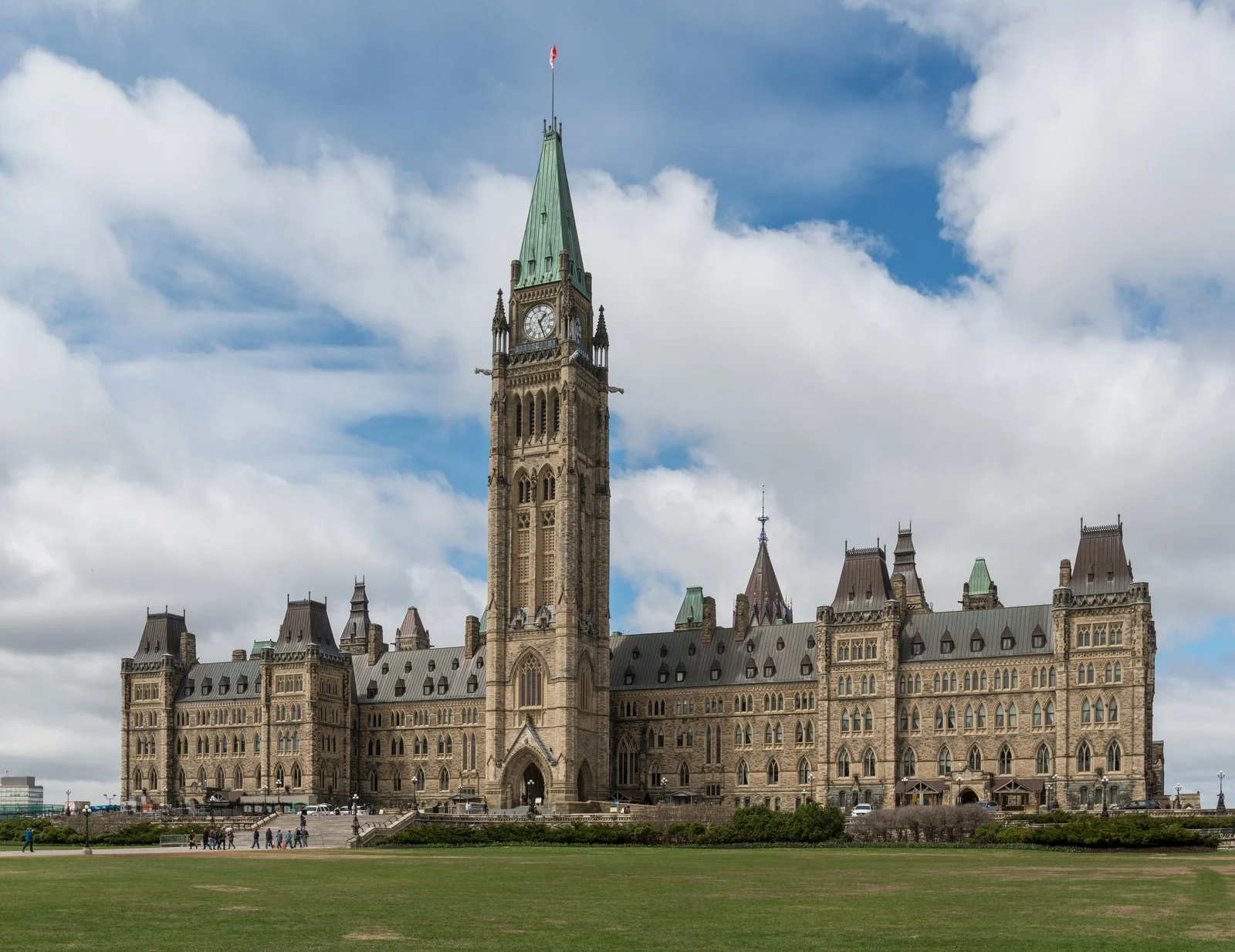
A court has now said, in plain language, that the federal government cannot use consultation as an indefinite excuse to stall the First Nations Land Deal. The question is what happens next: whether Ottawa finally moves on the remaining half of the land owed, or whether this ruling joins the long shelf of broken promises Justice Blackhawk was writing about.
Maplestime will provide updates from the First Nations land deal ruling as announcements are made.
Have a tip about the First Nations Land Deal? Email [email protected]
Have a correction? Email [email protected]
If the honour of the Crown means anything, how does Ottawa justify a land debt still half-unpaid nearly 30 years after signing — or is “reconciliation” just a word governments use until someone reads them the ruling? Tell us in the comments. And share this with every Canadian who believes reconciliation has to be more than a speech.
Enjoying Maplestime? Support independent Canadian journalism — no paywall, no corporate owners.