


Lifestyle — September is quietly the best month of Canadian Cottage Culture 2026: the summer crowds are gone, rental rates have softened, Manitoba Parks campgrounds stay open until October 12, and Royal LePage’s latest numbers show Prairie lake country leading the country’s recreational market.
By Maplestime Lifestyle Desk | Winnipeg, Manitoba | September 20, 2026
Sources: Royal LePage, Wealth Professional, Manitoba Parks | Last updated: September 20, 2026
Key Takeaways
- Royal LePage forecasts recreational home prices in Manitoba and Saskatchewan will rise 5.5% in 2026 — the strongest appreciation of any region in Canada.
- Manitoba Parks campgrounds across the Whiteshell and Birds Hill stay open until October 12, 2026.
- September Vrbo listings for Whiteshell cabins run roughly $127 to $235 a night, well below peak summer rates.
- A “buy Canadian” shift is real: 40% of specialists report more domestic-buyer inquiries, and Canadian travel to the U.S. keeps dropping.
- Fall is also etiquette season — the unwritten rules of guest weekends matter more when the host is closing up the cabin.
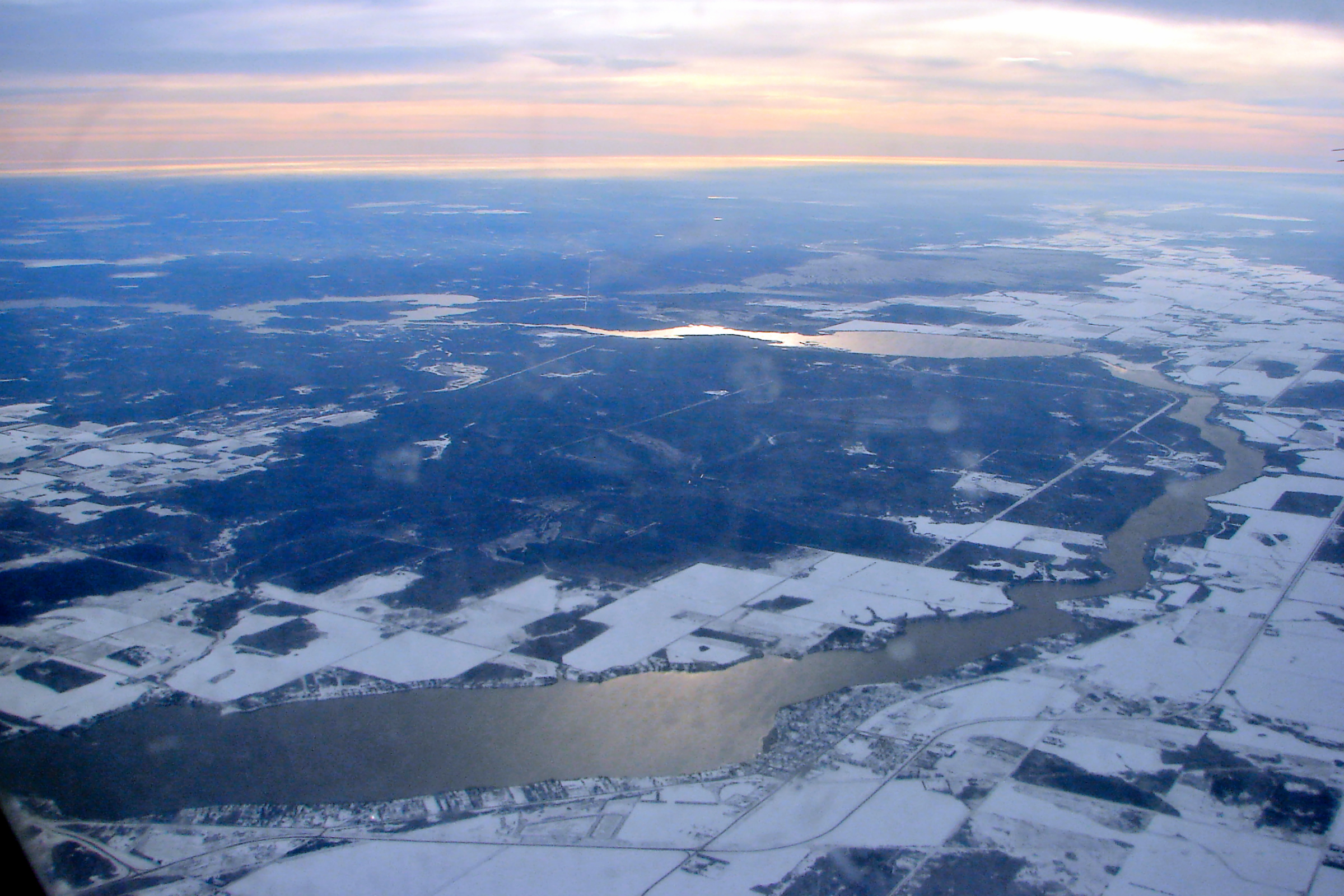
Canadian Cottage Culture 2026 by the Numbers
Every spring, Royal LePage’s report sets the tone for cottage-country conversation, and the 2026 edition landed with a clear message: prices are still climbing, but modestly, and scarcity is doing the heavy lifting. The brokerage forecasts a 4.0% increase in single-family recreational home prices nationally this year, to a median of about $604,552, on the back of a 2025 in which the weighted median rose 4.3% to $581,300.
The Prairie standout: Manitoba and Saskatchewan are forecast to see Canada’s highest price appreciation at 5.5%, with the regional median moving from $281,400 last year to a forecast $296,877. Atlantic Canada follows at 5%, while Ontario (2%) and B.C. (1.5%) lag. Waterfront property — the trophy asset — is the one segment softening nationally, down 5.2% to a median of $717,600, which suggests buyers are getting pickier about what they’ll pay a premium for.
“New developments in these regions remain relatively rare, and many properties are tightly held by families for generations,” said Royal LePage president and CEO Phil Soper in the release. “This scarcity preserves the exclusivity of these markets and provides price stability, even when buyers are feeling cautious.”
Manitoba Lake Country Is Having a Moment
The report’s Manitoba colour is worth reading closely. Tyler Bucklaschuk, a sales representative and broker with Royal LePage JMB & Associates in Gimli, told the company that “the Interlake Region is especially popular for its beaches, boating, fishing and campgrounds,” and that “Winnipeg residents, in particular, continue to be a key driver of activity in the region, as many city dwellers look for a weekend escape along one of the area’s many inland lakes.”
That tracks with a broader shift. Wealth Professional noted that roughly 40% of recreational property specialists are fielding more domestic-buyer inquiries amid the “buy Canadian” movement, while a mid-2025 survey found 54% of Canadians who own U.S. property plan to sell. Statistics Canada showed return trips to the U.S. down 14.5% in February 2026 versus a year earlier. The lake cabin, it seems, is absorbing some of the vacation energy that used to flow south.
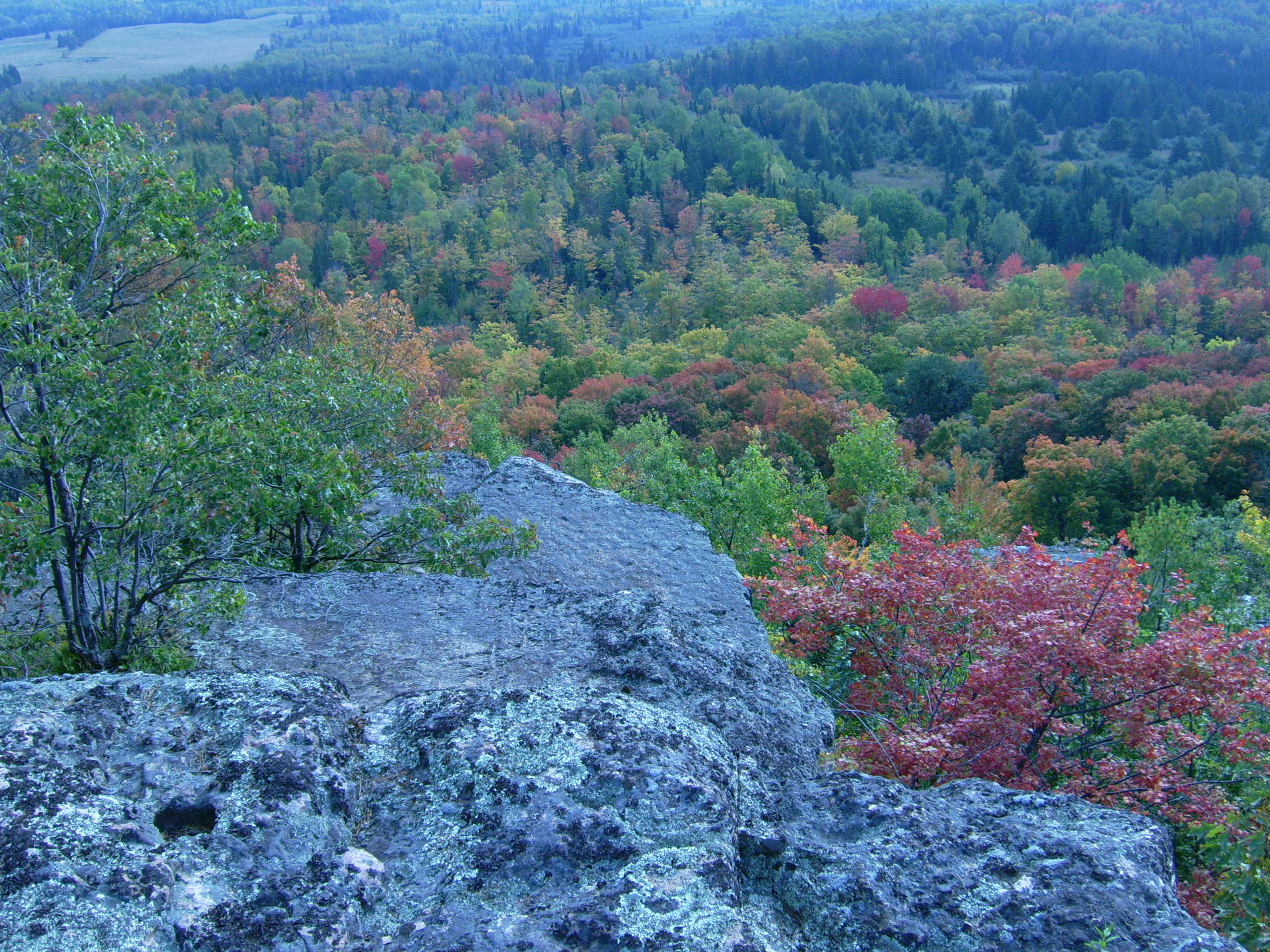
Fall colour is peaking across cottage country right now — the sweet spot between summer crowds and winter shutdown. (Wikimedia Commons)
Fall Cabin Season: What’s Open and What It Costs
Here’s the part that matters if you’d rather visit than buy: fall is the affordable window, and it’s still wide open. Manitoba Parks’ 2026 fall camping brochure confirms that campgrounds including Big Whiteshell, Bird Lake, Caddy Lake, Falcon Beach, Nutimik Lake, Otter Falls, Tulabi Falls, West Hawk Lake and Birds Hill remain open until October 12, 2026 — Thanksgiving Monday this year. A handful of other parks close earlier — September 13 or 20 — so check the brochure before you commit to a date.
For cabin rentals, September pricing on platforms like Vrbo is noticeably friendlier than July. Listings spotted this month for the Whiteshell area range from about $127 a night for a one-bedroom cabin to around $235 a night for a three-bedroom, all fees included — a meaningful drop from peak-season rates, and often with midweek availability you simply won’t find in August. The Whiteshell’s fall draw is the colour: hikes like the Top of the World trail and Hunt Lake are at their photogenic best right now, and the area’s lodges and resorts run lakefront cabins into the winter season.
The Unwritten Rules of Cottage Etiquette
Fall cabin weekends are when etiquette matters most: the season is short and hosts are doing winterizing chores between visits. If you’re the guest, these are the rules that keep the invitation coming:
- Bring your share, then some. Arrive with groceries for the weekend plus a contribution — firewood, a bottle, or something for the pantry. Never arrive empty-handed.
- Help with the close-up work. Fall weekends involve real labour: stacking wood, covering the deck furniture, shutting off the water. Offer before you’re asked.
- Respect the lake, literally. Quiet hours, no-wake zones and septic-system rules aren’t suggestions — they’re the difference between a welcome guest and a story told at the dock for years.
- Leave it cleaner than you found it. Strip the beds, empty the fridge of perishables, take your garbage. The last weekend of the season is not the time for mystery leftovers.
- Ask about the thermostat. In September, overnight temperatures swing hard. Check before you crank the heat or open every window.
Whether you’re shopping for a cabin, renting one for the colour season, or just angling for an invite, the lesson of Canadian Cottage Culture 2026 is the same: the market is steady, the crowds are gone, and September is the month the lakes belong to the people who actually live here.
Maplestime will provide updates on Canadian cottage culture as the season unfolds.
Have a tip about cottage season in Manitoba? Email [email protected]
Have a correction? Email [email protected]
So here’s the question: is the cottage still a middle-class dream in Canada, or has it become a luxury good with a dock? Tell us your take — and share this with the friend who keeps sending you lake listings.
