




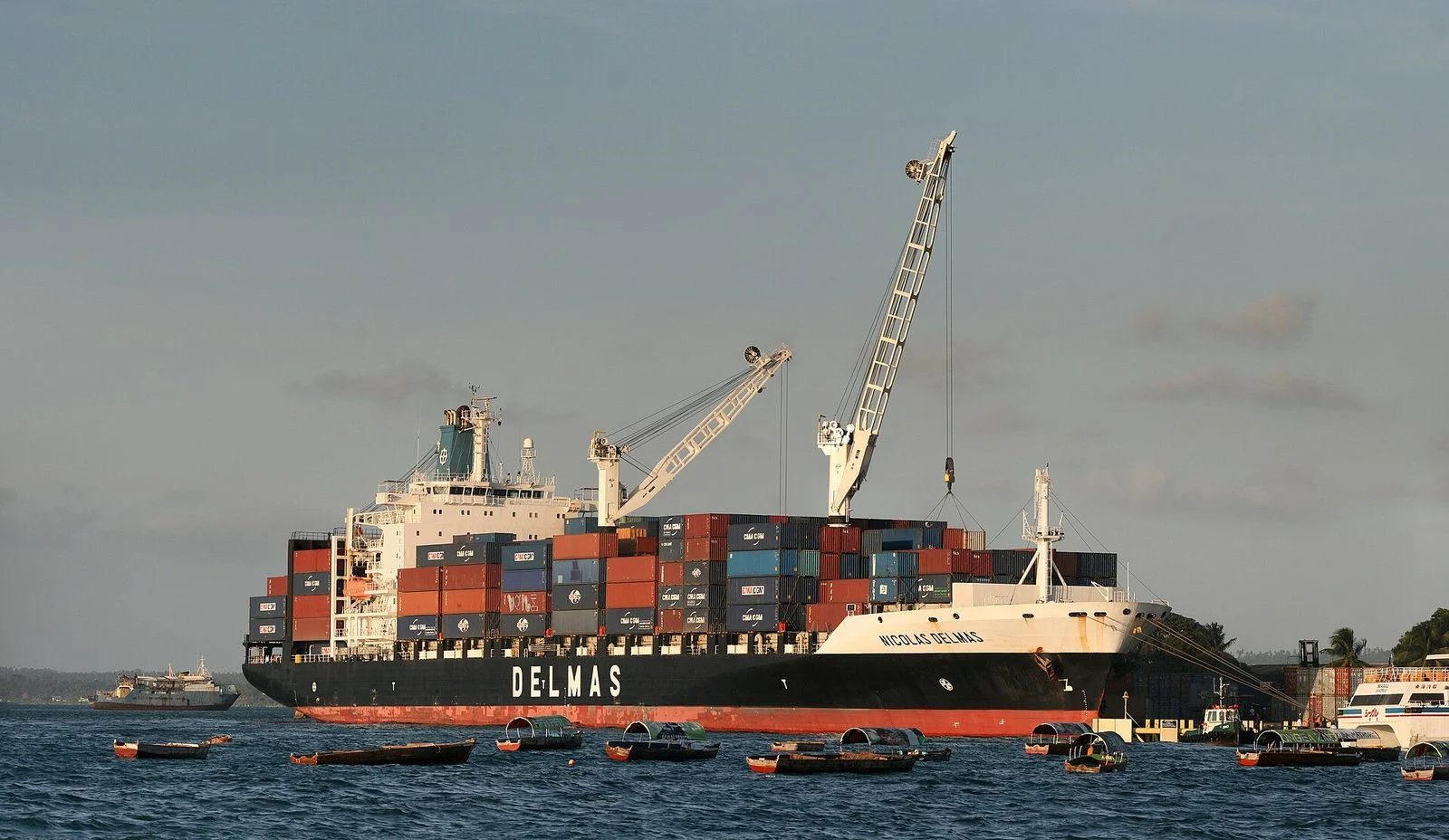
Canadian business news: China tariff relief worth about $400 million a year is opening the door again for Canadian pork and seafood exporters, after Prime Minister Mark Carney met Chinese President Xi Jinping in Shenzhen on Tuesday and came away with the biggest Canada-China trade breakthrough of the year.
By Maplestime Business Desk | Canada | November 18, 2026
Sources: Prime Minister’s Office, Reuters, CBC News and The Globe and Mail | Last updated: November 18, 2026
Quick Answer: China will suspend anti-discrimination tariffs from January 1, 2027 to December 31, 2028, removing the 25 percent tariff on frozen pork cuts and frozen cold-water shrimp. The China tariff relief covers about $400 million in Canadian exports, including $116 million in frozen pork and $285 million in fish and seafood. Canada gives steel and aluminium tariff remissions in return.
Key Takeaways
- China will provide tariff relief for about $400 million in Canadian exports, including $116 million in frozen pork cuts and $285 million in fish and seafood.
- The 25 percent Chinese tariff comes off frozen pork cuts and frozen cold-water shrimp from January 1, 2027 to December 31, 2028.
- Seafood covered includes Pacific spot prawn at $87.5 million, molluscs including geoduck at $61.4 million, sea cucumber at $39.4 million and Greenland halibut at $96 million, all in 2024 trade values.
- Canada extends remission measures for certain Chinese steel and aluminium products to December 31, 2028, expanding coverage to 32 tariff items where Canadian supply is insufficient or unavailable.
- Carney’s office says market access has been restored for more than 90 percent of trade previously hit by tariffs, nearly $7.5 billion worth of Canadian exports.
What the China tariff relief covers
The numbers are the story. China will provide additional tariff relief for approximately $400 million in Canadian exports, according to the Prime Minister’s Office. Frozen pork cuts account for $116 million of that total. Fish and seafood account for $285 million.
The seafood list is specific, and it reads like a catalogue of what Canadian waters do best. Certain frozen cold-water shrimp and prawns, including Pacific spot prawn, were worth $87.5 million in 2024 trade. Certain molluscs, including geoduck, were worth $61.4 million. Sea cucumber was worth $39.4 million. Greenland halibut was worth $96 million.
The mechanism is a suspension, not a repeal. China will suspend its anti-discrimination tariffs from January 1, 2027 to December 31, 2028, and the 25 percent tariff comes off frozen pork cuts and frozen cold-water shrimp for that two-year window. For producers who have spent years priced out of the Chinese market, two years of predictable access is worth more than a vague promise.
Why Ontario pork producers and steel mills both care
This deal reaches into Ontario in both directions. Ontario pork producers are among the sellers who gain from the pork tariff coming off, and Ontario manufacturers sit on the other side of the bargain, where the steel and aluminium remission measures matter.
In exchange for the relief, Canada will extend to December 31, 2028 existing remission measures for certain Chinese steel and aluminium products, and expand remission coverage to 32 tariff items, 23 steel and 9 aluminium, where Canadian supply is insufficient or unavailable. That is the part of the deal that will draw the closest scrutiny from Canadian mills, and the government will have to show the remissions only cover what Canada genuinely cannot supply itself.
Related: Canada Philippines Free Trade Deal Concluded In Manila Alongside ASEAN Pact
What Carney got, and what he gave up
The Shenzhen meeting on Tuesday, November 17 was the third between Carney and Xi since Carney became prime minister, held ahead of the APEC summit. Carney said Canada was “well ahead of schedule” in its goal of boosting exports to China by 50 percent by the end of the decade, and hailed “greater predictability and stability” in the relationship.
The deal extends and expands the Preliminary Joint Arrangement from January 2026, and builds on the two-year extension of tariff relief for canola meal, lobster, crab and peas announced earlier in November. Taken together, Carney’s office says market access has been restored for more than 90 percent of trade previously subject to tariffs, nearly $7.5 billion worth of Canadian exports.
What did not happen matters too. No Chinese auto plant deal was announced. The relief is aimed squarely at food and seafood exporters, not at the auto sector, and Ottawa will face questions about whether that was a deliberate choice or a concession it could not avoid.
What happens next
The clock starts January 1, 2027. Pork and seafood exporters now have six weeks to line up buyers, shipping and cold chain capacity before the 25 percent tariff comes off. The relief runs to December 31, 2028, which gives the industry a two-year window to rebuild relationships with Chinese buyers that tariffs had broken.
The test will be in the export numbers. If pork and seafood shipments to China climb through 2027, Carney can point to Shenzhen as proof that his strategy of cutting reliance on the United States is producing real money for Canadian producers. If volumes stay flat, the critics will say $400 million was a headline, not a harvest.
Frequently asked questions
When does the China tariff relief start?
China will suspend its anti-discrimination tariffs from January 1, 2027 to December 31, 2028. The 25 percent tariff comes off frozen pork cuts and frozen cold-water shrimp for that two-year period.
Which Canadian products benefit most?
Frozen pork cuts worth $116 million and fish and seafood worth $285 million, based on 2024 trade values. The seafood includes Pacific spot prawn, geoduck, sea cucumber and Greenland halibut.
What did Canada give in return?
Canada will extend remission measures for certain Chinese steel and aluminium products to December 31, 2028, and expand coverage to 32 tariff items, 23 steel and 9 aluminium, where Canadian supply is insufficient or unavailable.
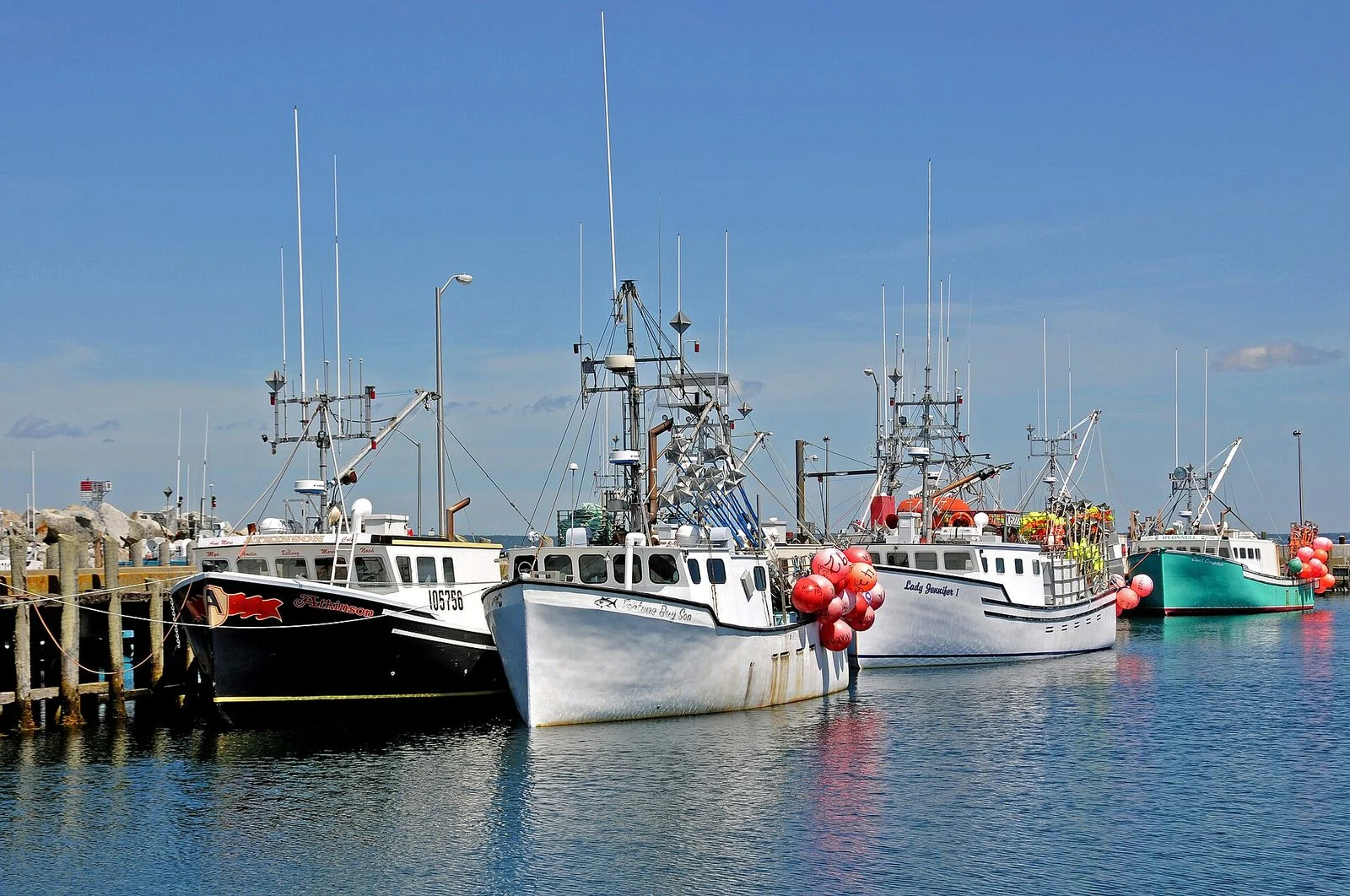
Maplestime will provide updates from the China tariff relief story as announcements are made.
Have a tip about the China tariff relief? Email [email protected]
Have a correction? Email [email protected]
Is $400 million in tariff relief the start of a real pivot away from the United States, or will Beijing pull the rug the moment the politics shift? Tell us in the comments. And share this with every Canadian farmer, fisher and exporter watching the China file.
Enjoying Maplestime? Support independent Canadian journalism — no paywall, no corporate owners.