


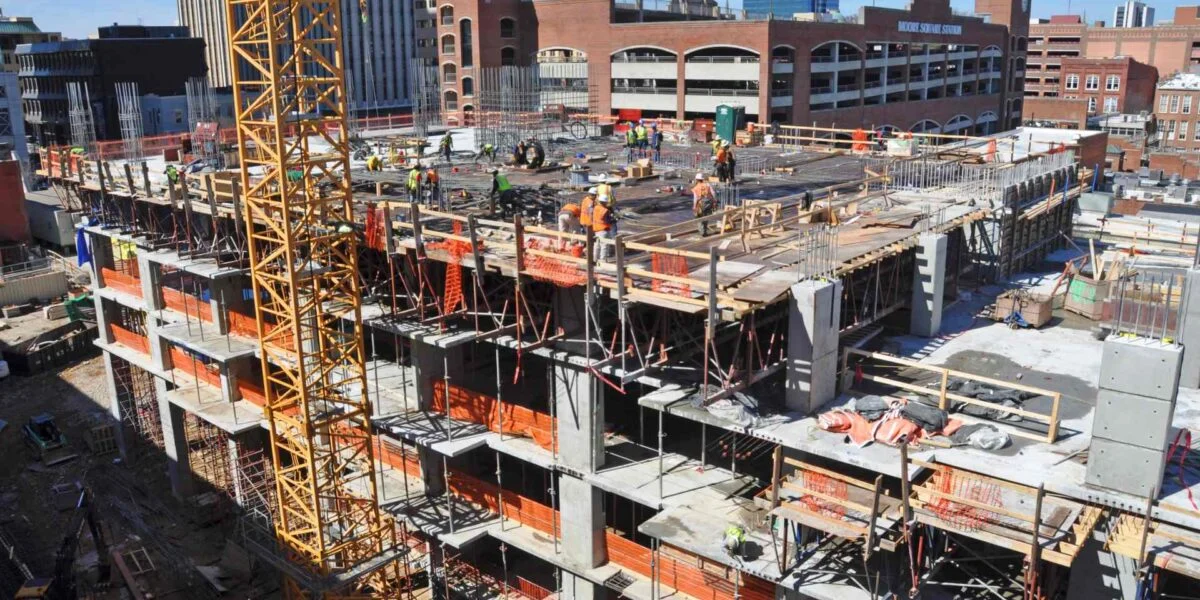
Canadian housing news — the affordable housing crisis in Canada feels unsolvable. Rents and house prices have skyrocketed, few young families can buy a home, and renovictions keep pushing renters to the edge. But here’s the truth politicians won’t say: we solved this before. The answers exist — they just require doing two things that have been out of fashion for decades: controlling landlords and building permanently affordable non-market housing.
By Maplestime Canada Desk | Toronto, Ontario | September 19, 2026
Sources: ACORN Canada, Canada Mortgage and Housing Corporation | Last updated: September 19, 2026
Key Takeaways
- Canada’s affordable housing crisis is driven by speculation and the commodification of housing — a pattern seen across G20 countries
- In the 1970s, Canada beat a similar crisis with rent controls, a 50 percent speculator tax in Ontario, and a national non-profit housing program
- Co-op and non-profit units built in the 1970s are still affordable today; market-rate “affordable” projects are not
- Austerity politics killed those programs in the mid-1990s, and developer subsidies since have failed to deliver lasting affordability
- ACORN Canada’s platform: fund social housing, mandate rent control everywhere, stop financialized landlords, close the REIT tax loophole
We’ve Been Here Before — And We Won
It’s not the first time housing costs have created a crisis. In the 1970s, similar pressures were being felt as prices outstripped incomes. People mobilized and demanded action from governments at all levels — and they got it.
Rent controls were won. Ontario imposed a 50 percent tax on speculator profits. A national program was created to invest in non-profit, co-operative, and municipal housing. Tens of thousands of affordable units were built.
But there was a crucial difference between permanently affordable housing and public subsidies that get swallowed by market speculation.
The Scarborough Lesson: What “Affordable” Really Means
In 1975, I worked as an apprentice carpenter near the Malvern “Home Ownership Made Easy” housing project in Scarborough. The houses sold for half the price of a typical suburban home because the land was publicly owned. Buyers couldn’t resell for ten years — but after that, the entire subdivision slowly became part of the regular housing market. Today those houses are just as unaffordable as any other in Toronto.
In contrast, that same year the Labour Council Development Foundation was building its first co-operative housing projects. Five decades later, those units are still fully affordable for the families living in them — as are non-profit projects across the country.
The difference? Co-ops and non-profits can’t be flipped for profit. Market-rate “affordable” housing eventually becomes market-rate, period.
Tragically, austerity politics brought an end to those programs in the mid-1990s, and only recently has the federal government dedicated serious funding to non-market housing. Instead we’ve had a patchwork of ineffective programs — subsidies handed to developers and private landlords for projects with little control on prices or rents. Few politicians have demanded accountability for long-term affordable units, while homelessness has become a painful reality in every part of this country.
Related: Canada Housing Crisis 2026: What’s Driving Prices and What Comes Next
Related: Newfoundland Wind Storm 2026 — Weekend Gusts Knock Out Power Across the Island
Related: MADD PEI Memorial Monument 2026 — 12 Impaired-Driving Victims Honoured in Charlottetown
ACORN Canada’s Plan to Fix the Affordable Housing Crisis
ACORN Canada is one of the most effective organizations fighting for affordable rents and decent housing. With members in communities across the country, ACORN has developed a full range of policies to address the crisis. Their demands:
- Fund social housing to ensure low-income people have access to affordable homes
- Direct public money to real need — any public money given to private developers must create housing for people in core housing need
- Create an acquisition fund so co-ops, non-profits, land trusts, and tenants can buy at-risk apartment buildings when they come up for sale
- Stop financialized landlords from buying up more affordable housing
- Regulate banks, CMHC, and public pension funds to stop financing corporate landlords who buy with the intent to raise rents and displace people
- Mandate rent control in all provinces to disincentivize landlords from evicting long-term tenants and to help maintain units
- Close the REIT tax loophole in the Income Tax Act that gives massive tax exemptions to Real Estate Investment Trusts
Taken together, these would make a tremendous difference for the millions of families struggling to keep a roof over their heads.
The Only Real Alternative
The only real alternative to an out-of-control housing market is robust investment in non-market housing.
Millions of Canadians are, and always will be, renters. If we had continued the programs scrapped in the 1990s, there would be hundreds of thousands more affordable units providing decent housing for people from all walks of life. They are permanently affordable because the properties cannot be flipped for profit or personal gain.
But it’s a matter of political will. As abolitionist Frederick Douglass reminds us: “Power concedes nothing without a demand. It never has and it never will.”
It’s time to challenge the logic of relying on the market to solve the housing crisis. Developers and their political allies keep demanding more land — including public land at fire-sale prices. Instead, the priority should be that public land is used only for permanently affordable non-market housing.
A public interest priority is essential to address the power dynamics of this crisis. There needs to be a mass movement behind the kinds of policies ACORN and others are putting forward — just as another generation of Canadians built in decades past. The right to affordable housing is a fundamental feature of any society that claims to care about social justice. But it won’t happen without a movement.
Maplestime will provide updates on Canada’s affordable housing crisis as announcements are made.
Have a tip about housing in your community? Email [email protected]
Have a correction? Email [email protected]
Do you think Canada will ever get serious about non-market housing — or will developers and their political allies keep winning? Tell us in the comments. And share this with every Canadian who’s been priced out of their own city.
Enjoying Maplestime? Support independent Canadian journalism — no paywall, no corporate owners.