



Canada immigration news: Graduate Study Permits Doubled in the spring of 2026, and Ottawa is now betting the same formula will carry international education through 2029.
Graduate Study Permits Doubled in the second quarter of 2026, rising to 6,455 from 3,085 a year earlier, after Ottawa exempted master’s and PhD students from the study permit cap in January 2026. The federal government has now set a target of 150,000 new international student arrivals a year for 2027, 2028 and 2029.
By Maplestime News Desk | Winnipeg, Manitoba | November 13, 2026
Sources: ICEF Monitor | Last updated: November 13, 2026
Key Takeaways
- Graduate Study Permits Doubled in Q2 2026: 6,455 study permits went to master’s and PhD students, up from 3,085 in Q2 2025.
- Extensions of existing graduate study permits rose from about 4,000 to over 8,000 over the same period.
- Master’s and doctoral students took 20 percent of new study permits issued from January to August 2026, nearly double their 12 percent share in 2025.
- Ottawa set a target of 150,000 new international student arrivals a year for 2027, 2028 and 2029, inside a 370,000 annual total for new temporary residents.
- Only about half of the 155,000 new student spaces available in 2026 are expected to be filled by the end of the year.
Why Graduate Study Permits Doubled in 2026
The turnaround traces back to one decision. The study permit cap first went into force in 2024, and for two years master’s and PhD students were caught inside it. In January 2026, the government exempted them, and international demand for postgraduate programs in Canada picked up immediately.
The numbers tell the story plainly. The number of study permits granted to master’s and PhD students doubled in Q2 2026, reaching 6,455 against 3,085 in Q2 2025. Extensions of existing graduate study permits rose just as sharply, from about 4,000 in Q2 2025 to over 8,000 in Q2 2026, according to University Affairs.
Graduate students are now a much bigger slice of the whole system. Master’s and doctoral degree students accounted for 20 percent of new study permits issued between January and August 2026, nearly double their 12 percent share in 2025.
What the New Targets Promise Through 2029
The bigger news arrived with the federal budget on November 5, 2026. The 2027 to 2029 Immigration Levels Plan sets a target of 370,000 permits a year for new temporary residents, split between 150,000 for international students and 220,000 for foreign workers entering through either the Temporary Foreign Worker Program or the International Mobility Program.
The student figure holds steady across all three years. Universities Canada welcomed the commitment to maintain the target of 150,000 new international student arrivals annually from 2027 to 2029, saying predictable immigration policies are essential to rebuilding confidence in Canada’s international education system and attracting global talent.
Ottawa also set aside a target of 49,000 study permits reserved for postgraduate students. Whether the full year data shows that target met remains to be seen, but the direction is clear: graduate students sit at the front of the line.
Related: International Student Cap 2026 — Canada Keeps 150,000 Target for 2027 to 2029
What Is the Gap Between the Target and Reality?
Here is the awkward part. In 2026, the target for new study permits, excluding extensions, was 155,000. As of July, student arrivals in Canada were tracking well below that figure, and some anticipate that by the end of the year fewer than 90,000 new permits will have been issued to international students.
The Canadian Bureau for International Education also expressed support for the plan, but added that only about half of the 155,000 spaces made available for new international students in 2026 are expected to be filled by the end of the year. The bureau’s point is blunt: each of the 150,000 spaces matters because each represents an opportunity to fill a critical workforce need.
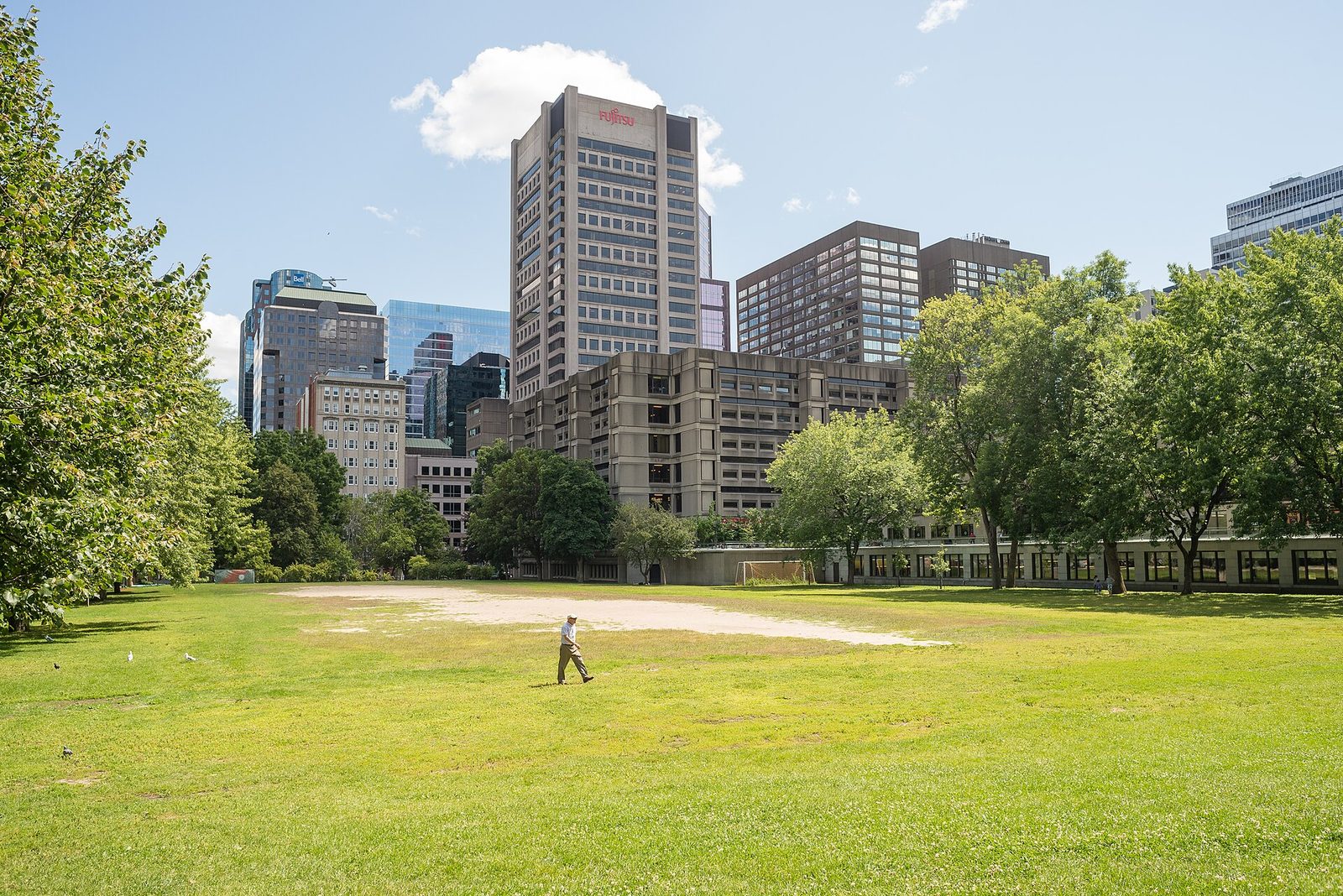
McGill University downtown campus in Montreal. Photo: Arild Vågen, CC BY-SA 4.0, via Wikimedia Commons
What Are Universities and Colleges Saying?
The sector’s reaction is warm but pointed. Universities Canada welcomed the stable target and the predictability it brings after years of sudden rule changes. The Canadian Bureau for International Education backed the plan too, while warning that targets mean little if the spaces go unfilled.
Colleges and Institutes Canada said the budget’s focus on attracting and retaining international talent is encouraging. The group said it will continue to advocate for a “both/and” approach that recognizes the full range of talent Canada needs, including public college graduates and skilled tradespeople.
That last point matters for newcomers weighing their options. The system now favours postgraduate students at public universities, but colleges argue the country needs their graduates too, and they want a seat at the table when the next round of rules is written.
What Does This Mean for Newcomers Eyeing Graduate School?
For anyone planning a master’s or PhD in Canada, the message is simple: the door is open wider than it has been in two years. The exemption from the cap, the 49,000 postgraduate permits set aside, and the rising share of permits going to graduate students all point the same way.
Still, a target is not a guarantee. Fewer than 90,000 new permits may be issued in 2026 against a target of 155,000, so applicants should treat the stable 150,000 figure for 2027 to 2029 as a planning signal, not a promise of a place.
Frequently Asked Questions
How many study permits did Canada grant to graduate students in Q2 2026?
Graduate Study Permits Doubled in Q2 2026: Canada granted 6,455 study permits to master’s and PhD students, more than double the 3,085 granted in Q2 2025.
Are master’s and PhD students still covered by the study permit cap?
No. Ottawa exempted master’s and PhD students from the cap in January 2026 after including them for two years, and demand picked up immediately.
How many new international students will Canada target each year through 2029?
Canada set a target of 150,000 new international student arrivals a year for 2027, 2028 and 2029, as part of a 370,000 annual total for new temporary residents.
A university graduation ceremony in Ottawa, Canada. Photo: Faustin Tuyambaze, CC0, via Wikimedia Commons

Maplestime will provide updates from Canada’s international student program as announcements are made.
Have a tip about this story? Email [email protected]
Have a correction? Email [email protected]
If Ottawa wants the world’s best graduate students, should it stop capping the rest of the system too? Tell us in the comments. And share this with every newcomer planning a Canadian degree.
Enjoying Maplestime? Support independent Canadian journalism — no paywall, no corporate owners.