




Canada immigration news: Ottawa has held the International Student Cap at 150,000 new arrivals a year for 2027 to 2029, and the real story is not the number on the page, it is whether Canada can even fill the seats it still offers.
The International Student Cap will hold new international student arrivals at 150,000 a year for 2027, 2028 and 2029. The number sits inside a wider temporary resident target of 370,000 arrivals a year, and work permits issued after graduation do not count toward it. Ontario keeps the largest share of study permit places in the country.
By Maplestime News Desk | Winnipeg, Manitoba | November 11, 2026
Sources: EduFabTech, Babylon International | Last updated: November 11, 2026
Key Takeaways
- New international student arrivals are capped at 150,000 a year for 2027, 2028 and 2029, unchanged from the previous plan for 2027 and 2028 and now extended one more year.
- The student figure sits inside 370,000 total new temporary resident arrivals a year: 220,000 workers plus 150,000 students.
- Permanent resident admissions hold at 380,000 a year.
- Work permits issued after graduation do not count toward the student figure.
- Ontario holds the largest share of 2026 study permit places that need a provincial attestation letter: 104,780, ahead of Quebec at 93,069.
- Federal auditors found IRCC approved fewer than half the forecast new study permits in 2024.
What does the International Student Cap mean for 2027 to 2029?
The 2027 to 2029 Immigration Levels Plan, released November 5, 2026, keeps the student target exactly where it was. The 2026 target was 155,000, so the new figure is a small step down, then flat for three years. Permanent resident admissions stay at 380,000 a year over the same period, which tells newcomers the bigger door is not closing either.
Ottawa is framing this as stability after two years of sharp cuts and confusion. Colleges and universities asked for a number they could plan around, and for once they got one that does not move. A flat International Student Cap gives schools a planning number, but it also locks in the smaller provinces at the low approval levels the audit exposed. The question now is whether the number is a ceiling or a target nobody reaches.
Related: Express Entry Overhaul 2026 — Canada Drops LMIA Rule, Adds Points for High-Wage Job Offers
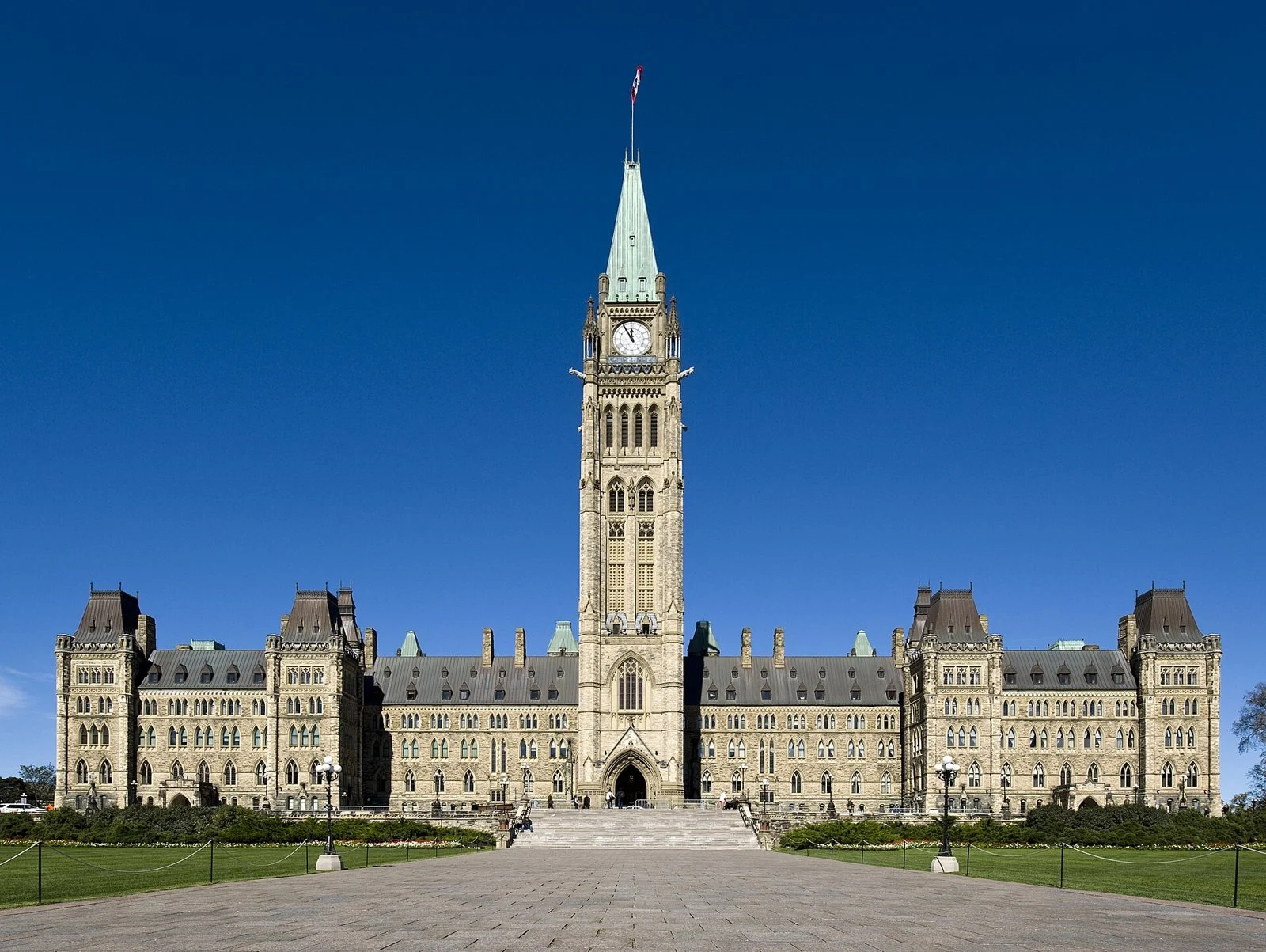
Centre Block, Parliament Hill, Ottawa. Photo: Saffron Blaze, CC BY-SA 3.0, via Wikimedia Commons
Why is Ontario first in line for study permit places?
Ontario was allocated the largest share of 2026 study permit places that require a provincial attestation letter, at 104,780. Quebec follows at 93,069. The gap reflects where students actually want to go, and where the classrooms, colleges and jobs already sit.
For Ontario schools, the flat International Student Cap is both a relief and a warning. A steady number means steady planning for housing, classes and support services. It also means no growth to paper over the students who never arrive, and no extra seats to hand out when demand shifts between provinces.
EduFabTech broke down the new levels plan in this carousel.
Why are schools struggling to reach the cap?
Larissa Bezo, president of the Canadian Bureau for International Education, welcomed the stable targets but warned the problem has flipped. She said, per The PIE News on November 6, “according to the most recent data from 2026, we are far from meeting our current targets.” The constraint is now reaching the cap, not staying under it.
An Auditor General audit released March 23, 2026, backs her up. It found IRCC approved fewer than half the forecast new study permits in 2024. Approvals fell by at least 59 percent in Manitoba, Prince Edward Island, Nova Scotia and New Brunswick, against projected declines of roughly 10 percent or less. Processing, not demand, did much of the damage.
That is the number Ottawa should be watching. The International Student Cap means little if the system approves far fewer, and it means even less for the smaller provinces that lost the most students when approvals collapsed.
Frequently Asked Questions
Does the International Student Cap limit students already in Canada?
No. The International Student Cap covers new international student arrivals only. Students already studying in Canada are not counted against it.
Do work permits after graduation count toward the cap?
No. IRCC treats post graduation work permits as an extension or change of status, not as new arrivals, so they sit outside the student figure.
Which province gets the most study permit places?
Ontario, with 104,780 places in 2026 that require a provincial attestation letter, ahead of Quebec at 93,069.
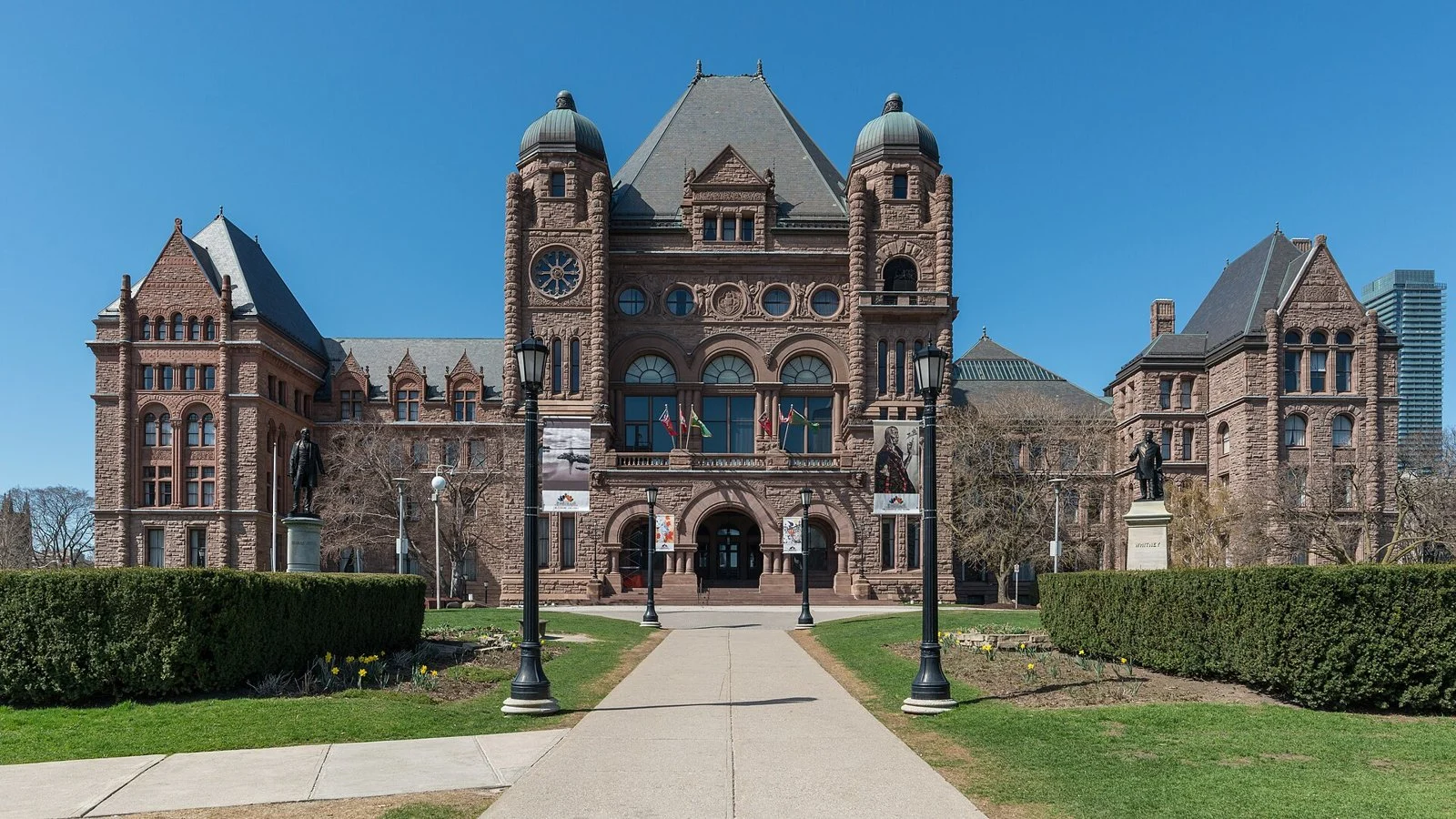
Ontario Legislative Building, Toronto. Photo: DXR, CC BY-SA 4.0, via Wikimedia Commons
Maplestime will provide updates from Ottawa and the provinces as announcements are made.
Have a tip about this story? Email [email protected]
Have a correction? Email [email protected]
Should Canada raise the cap to fill classrooms, or hold the line while schools catch up? Tell us in the comments. And share this with every newcomer weighing a move to Canada.
Enjoying Maplestime? Support independent Canadian journalism — no paywall, no corporate owners.