


Manitoba news: Premier Wab Kinew called for the Indian Act to go, and now another First Nations chief is standing behind him. The Kinew abolish Indian Act debate gained a public backer on Nov 12, when Lilwat Nation Chief Dean Nelson added his voice.
Lilwat Nation Chief Dean Nelson backed the Kinew abolish Indian Act call on Nov 12, 2026. Kinew made the call in Ottawa on Oct 26, holding up his Indian status card and arguing it is identification based on race. Prime Minister Mark Carney said he shared the view, qualified it the next day, saying a review has no fixed conclusion.
By Maplestime News Desk | Winnipeg, Manitoba | November 13, 2026
Sources: Lilwat Nation, Mohawk Council of Akwesasne, The Conversation | Last updated: November 13, 2026
Key Takeaways
- Chief Dean Nelson backed the Kinew abolish Indian Act call in a statement posted Nov 12.
- Kinew made the call Oct 26 in Ottawa, holding up his Indian status card.
- Carney said he shared the view, then qualified it the next day.
- The Mohawk Council of Akwesasne responded Nov 4, calling the 1876 Act outdated and harmful.
- Assembly of First Nations National Chief Cindy Woodhouse Nepinak has warned the Act also protects First Nations people.
What did Kinew say in Ottawa?
Kinew made the call at a First Nations and First Ministers meeting in Ottawa on Oct 26, 2026. Holding up his own Indian status card, he said it was time to abolish, get rid of and move past the Act, with First Nations people and governments.
His argument turned on what the card represents. Kinew argued the card shows he is “an Indian, within the meaning of the Indian Act,” calling it a form of identification based on race. The line landed because it came from a premier who carries the card himself.
Prime Minister Mark Carney said at the meeting he shared Kinew’s view and was committed to a process moving beyond the Act. The next day, he qualified that, saying a federal review has no fixed conclusion and will not necessarily lead to abolition.
The moment was captured in a post quoting Kinew’s Oct 26 remarks, with video of the Ottawa scrum on the final slide, embedded below.
Related: Indigenous Leaders Slam Kinew Over Residential School Denialism Comments
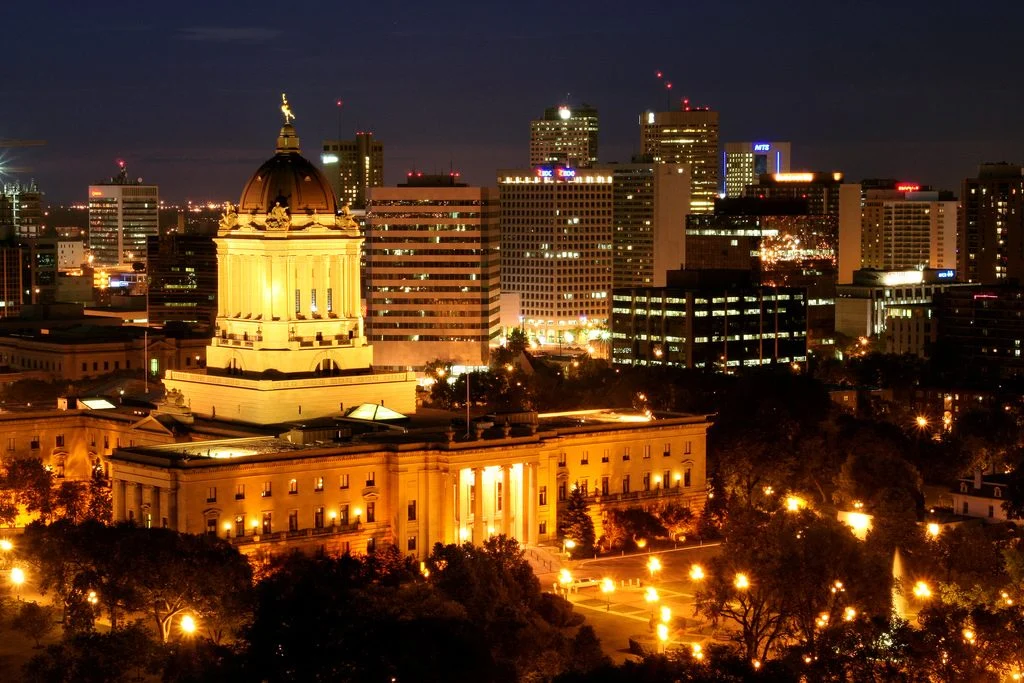
The Manitoba Legislative Building in downtown Winnipeg, where Premier Wab Kinew leads the provincial government. Photo: Wpg guy, CC BY 3.0, via Wikimedia Commons
What does the Kinew abolish Indian Act push face now?
The debate is not one sided, and the responses since Oct 26 show it. The Mohawk Council of Akwesasne responded on Nov 4, recognizing the 1876 Act as outdated and harmful, while noting its own self government agreement. Assembly of First Nations National Chief Cindy Woodhouse Nepinak has warned the Act also protects First Nations people, a reminder that scrapping it outright carries risks of its own.
The history behind the call is long. The Indian Act was first enacted in 1876, and a 1920 amendment made residential school attendance compulsory. That record is why the Kinew abolish Indian Act call resonates, and also why the path forward is contested: the Act has done harm, and it also anchors rights and protections that First Nations will not give up without something stronger in its place.
Why does Chief Dean’s backing matter?
Chief Dean’s statement, posted Nov 12, widens the circle around the Kinew abolish Indian Act call. It began as a Manitoba premier speaking in Ottawa. It is now a conversation drawing in voices beyond Manitoba, and the question has shifted from whether the Act should go to what replaces it.
Frequently Asked Questions
What is the Indian Act?
A federal law first enacted in 1876. A 1920 amendment made residential school attendance compulsory, part of a long record that Kinew and his supporters call colonial and outdated.
What did Carney actually promise?
At the Oct 26 meeting, Carney said he shared the view behind the Kinew abolish Indian Act call and was committed to a process moving beyond the Act. The next day he qualified that, saying a federal review has no fixed conclusion and will not necessarily lead to abolition.
Is everyone in favour of abolishing the Act?
No. The Kinew abolish Indian Act push faces real questions. Assembly of First Nations National Chief Cindy Woodhouse Nepinak has warned the Act also protects First Nations people, and the Mohawk Council of Akwesasne pointed to its own self government agreement while calling the Act outdated and harmful.
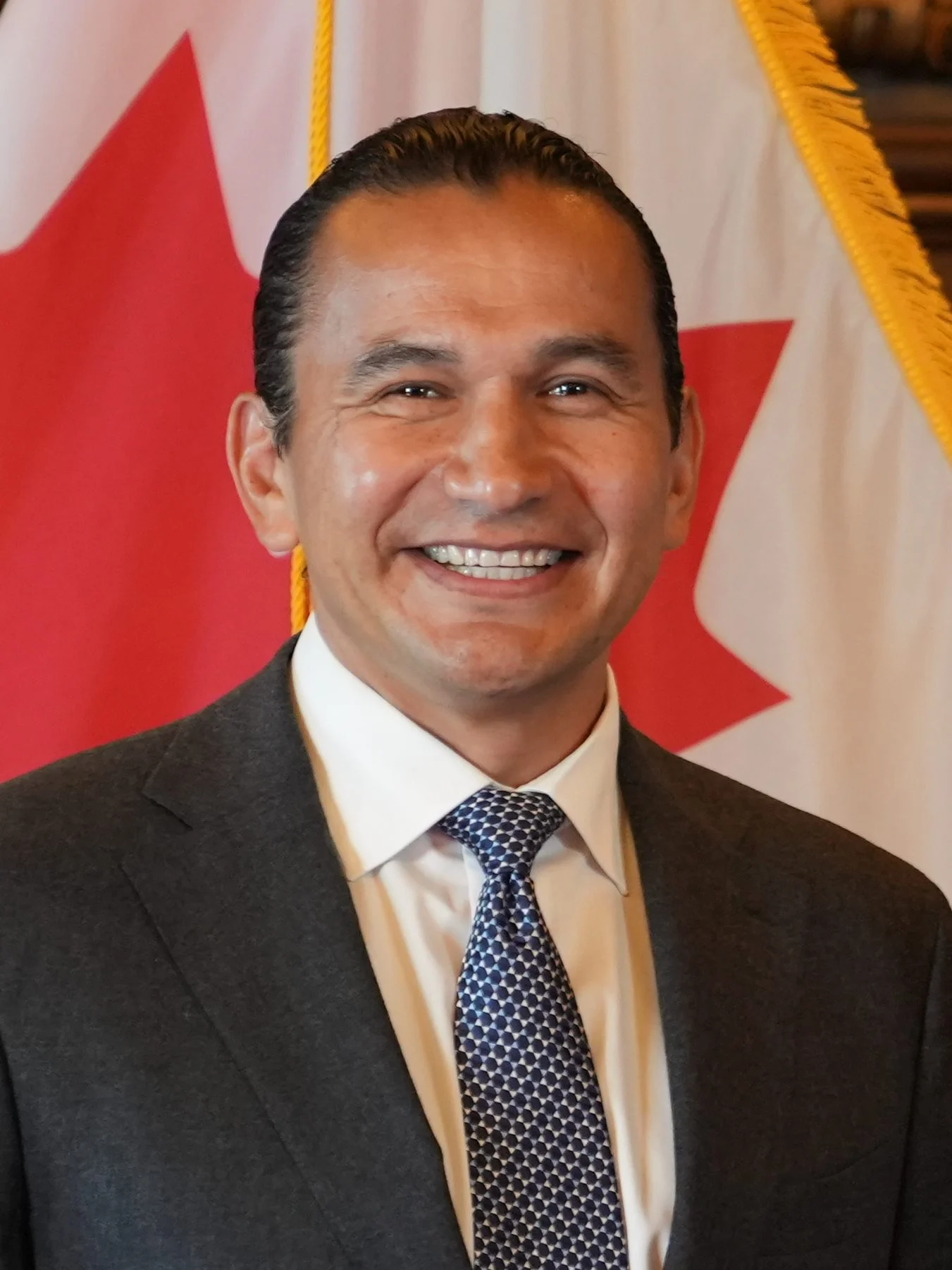
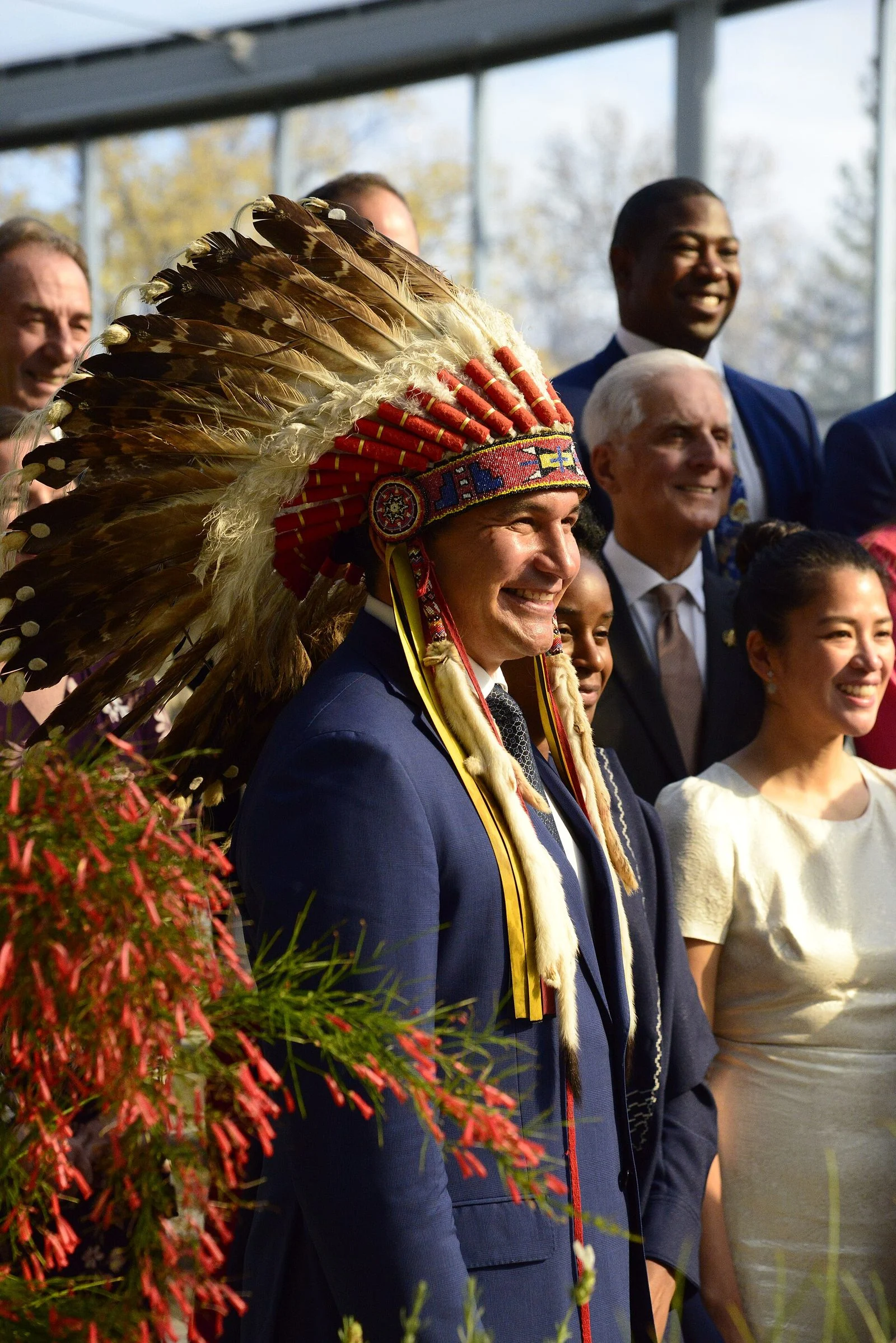
Wab Kinew at his swearing in ceremony on October 18, 2023. Photo: Amh1203, CC BY-SA 4.0, via Wikimedia Commons
Maplestime will provide updates from this debate as announcements are made.
Have a tip about this story? Email [email protected]
Have a correction? Email [email protected]
Should Canada scrap the Indian Act, or fix it piece by piece? Tell us in the comments. And share this with every Manitoban watching reconciliation up close.
Enjoying Maplestime? Support independent Canadian journalism — no paywall, no corporate owners.