



Canadian energy news — Shell, PETRONAS, PetroChina, Mitsubishi and KOGAS have pulled the trigger on LNG Canada Phase 2, a final investment decision that will double liquefied natural gas exports from the Kitimat terminal on British Columbia’s northwest coast and lock in Canada’s place in the global LNG market for decades.
By Maplestime News Desk | British Columbia | September 29, 2026
Sources: newswire.ca, Offshore Engineer, Business Wire | Last updated: September 29, 2026
Key Takeaways
- The LNG Canada joint venture took its Final Investment Decision on September 28, 2026, approving Phase 2 of the Kitimat LNG export facility.
- Two new liquefaction trains will double capacity from 14 to 28 million tonnes per annum, with commercial operations expected in the early 2030s.
- LNG Canada estimates Phase 2 could generate more than $50 billion in government revenues over the life of the project, for B.C. and Ottawa.
- The Fluor/JGC joint venture received Notice to Proceed on the engineering and construction contract, with Fluor booking a US$7.5 billion share.
- TC Energy confirmed Coastal GasLink Phase 2 will move ahead, nearly doubling pipeline throughput with five new compressor stations.
- Indigenous ownership is central: MNT Investments LP, backed by five First Nations, can invest up to $1 billion CAD in the future LNG storage tank.
What LNG Canada Phase 2 Will Build
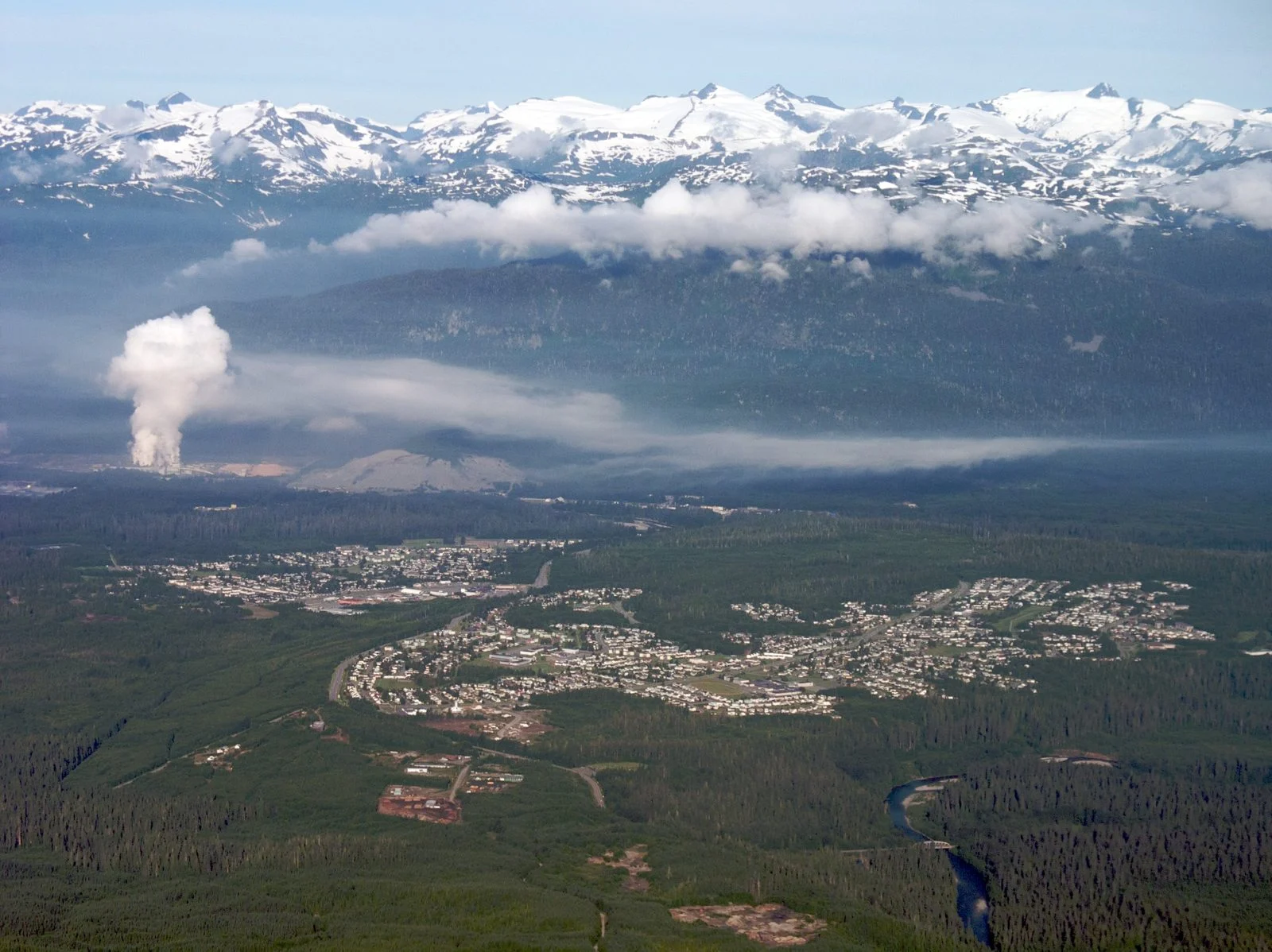
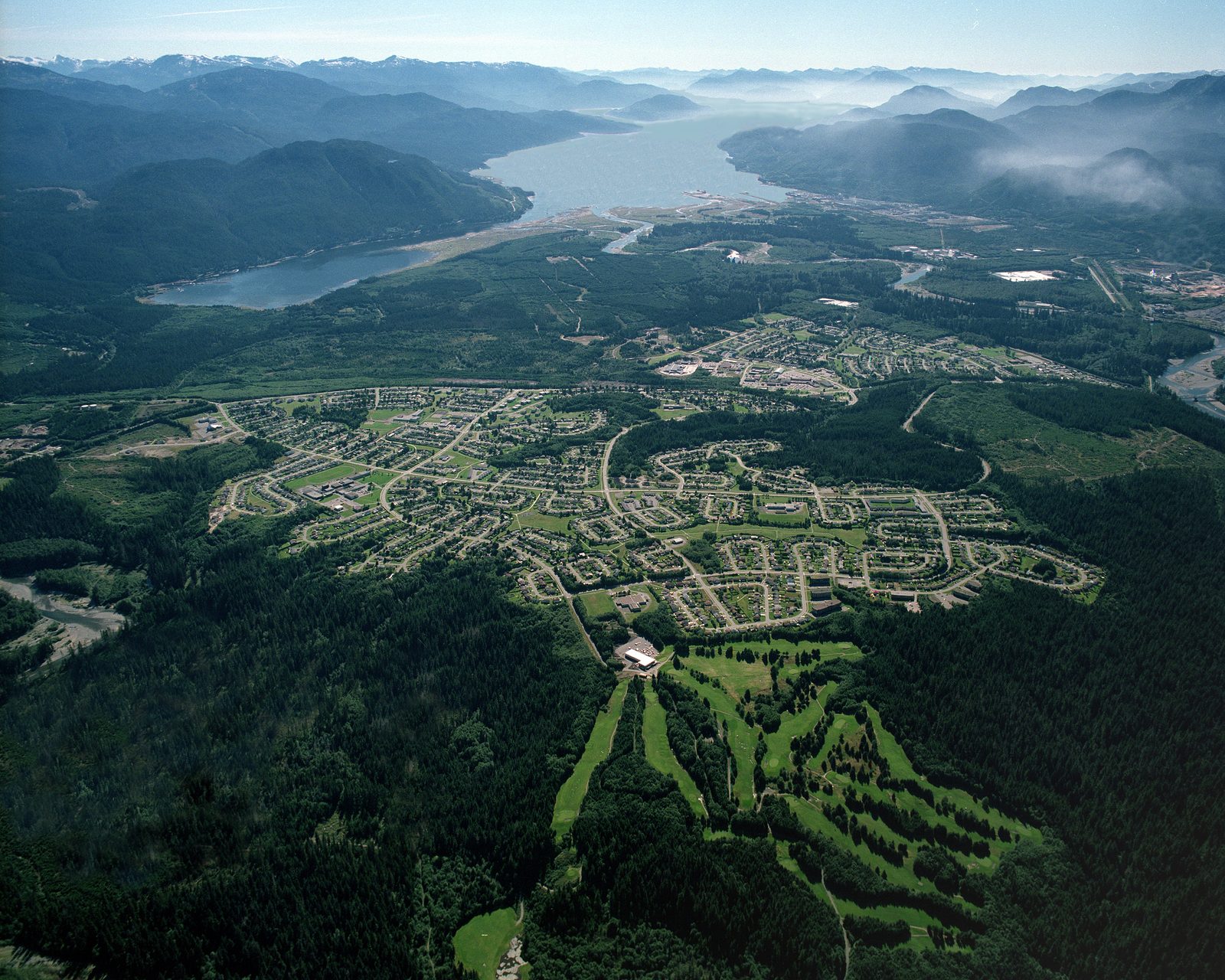
Phase 1 of LNG Canada began operations in 2025 after a decade of construction at Kitimat, on the traditional territories of the Haisla Nation. Phase 2 repeats the formula at scale: two additional liquefaction trains, new storage and marine infrastructure, taking the terminal from 14 to 28 million tonnes a year.
The timing is deliberate. Global LNG demand keeps climbing, particularly in Asia, where buyers are desperate to diversify away from a handful of dominant suppliers. Canada’s west coast sits closer to those buyers than any Gulf Coast terminal, with a shorter shipping route that shaves days off every voyage.
The Numbers Behind the Bet
This is not a speculative announcement. The five joint venture partners, Shell, PETRONAS, PetroChina, Mitsubishi Corporation and KOGAS, have now committed real capital to a final investment decision after years of pre-development work. That makes it one of the largest private-sector energy commitments in Canadian history.
The headline figure that will land in Ottawa and Victoria: more than $50 billion in government revenues over the project’s life, according to LNG Canada’s estimates. Jobs will flow first to construction trades in the northwest, then to long-term operations roles at the terminal and along the supply chain.
“LNG Canada Phase 2 is another nation-building investment that demonstrates Canada can build big things when governments, First Nations partners, local communities, skilled trades, contractors and investors work together with shared purpose.”
Chris Cooper, President and CEO, LNG Canada
“LNG Canada is a core part of our Integrated Gas portfolio, helping to supply LNG to customers in Asia at a time when diversity of energy supplies and energy security are increasingly important.”
Cederic Cremers, President, Shell Integrated Gas
Fluor, TC Energy and the Supply Chain Move Next
The decision is already rippling through contractors. The Fluor/JGC joint venture received its Notice to Proceed for the Phase 2 engineering and construction contract on September 29, with Fluor booking a US$7.5 billion share of the work in the third quarter of fiscal 2026.
TC Energy confirmed that Coastal GasLink Phase 2 will proceed alongside the expansion. The plan adds five new compressor stations along the 670-kilometre Dawson Creek to Kitimat route, nearly doubling throughput from the current level of about 2.1 billion cubic feet per day to feed the new trains.
“The decision to proceed with Phase 2 reflects confidence in Canada’s ability to responsibly develop its natural gas resources and connect them with global markets,” said Jim Breuer, CEO of Fluor.
Indigenous Ownership at the Centre
One of the most significant details sits outside the engineering scope. MNT Investments LP, representing the Gitga’at, Gitxaała, Haisla, Kitselas and Kitsumkalum First Nations, holds the option to invest up to $1 billion CAD in the future LNG storage tank, among the largest Indigenous ownership positions ever taken in major Canadian infrastructure.
It is a sharp departure from the era when Indigenous communities were consulted at the end of resource decisions. Here, five nations are equity partners at the beginning, with real dollars and real upside attached.
Quick Reference: LNG Canada Phase 2
| Item | Detail |
|---|---|
| Announcement | Final Investment Decision, September 28, 2026 |
| Location | Kitimat, British Columbia |
| Partners | Shell, PETRONAS, PetroChina, Mitsubishi, KOGAS |
| New capacity | Two liquefaction trains; 14 to 28 MTPA |
| Commercial ops | Early 2030s |
| Government revenues | More than $50B over project life (B.C. + federal) |
| EPC contractor | Fluor/JGC joint venture; Fluor books US$7.5B |
| Feed gas pipeline | Coastal GasLink Phase 2; 5 new compressor stations |
| Indigenous equity | MNT Investments LP option up to $1B CAD |
Why This Decision Matters for Canada
The politics are impossible to miss. Prime Minister Mark Carney is in Vancouver today at 11 a.m. to, in his government’s words, “highlight an historic investment in Canada’s energy industries.” The Carney government has made big-project approvals a signature of its economic agenda, and LNG Canada Phase 2 hands it the proof point it has been looking for.
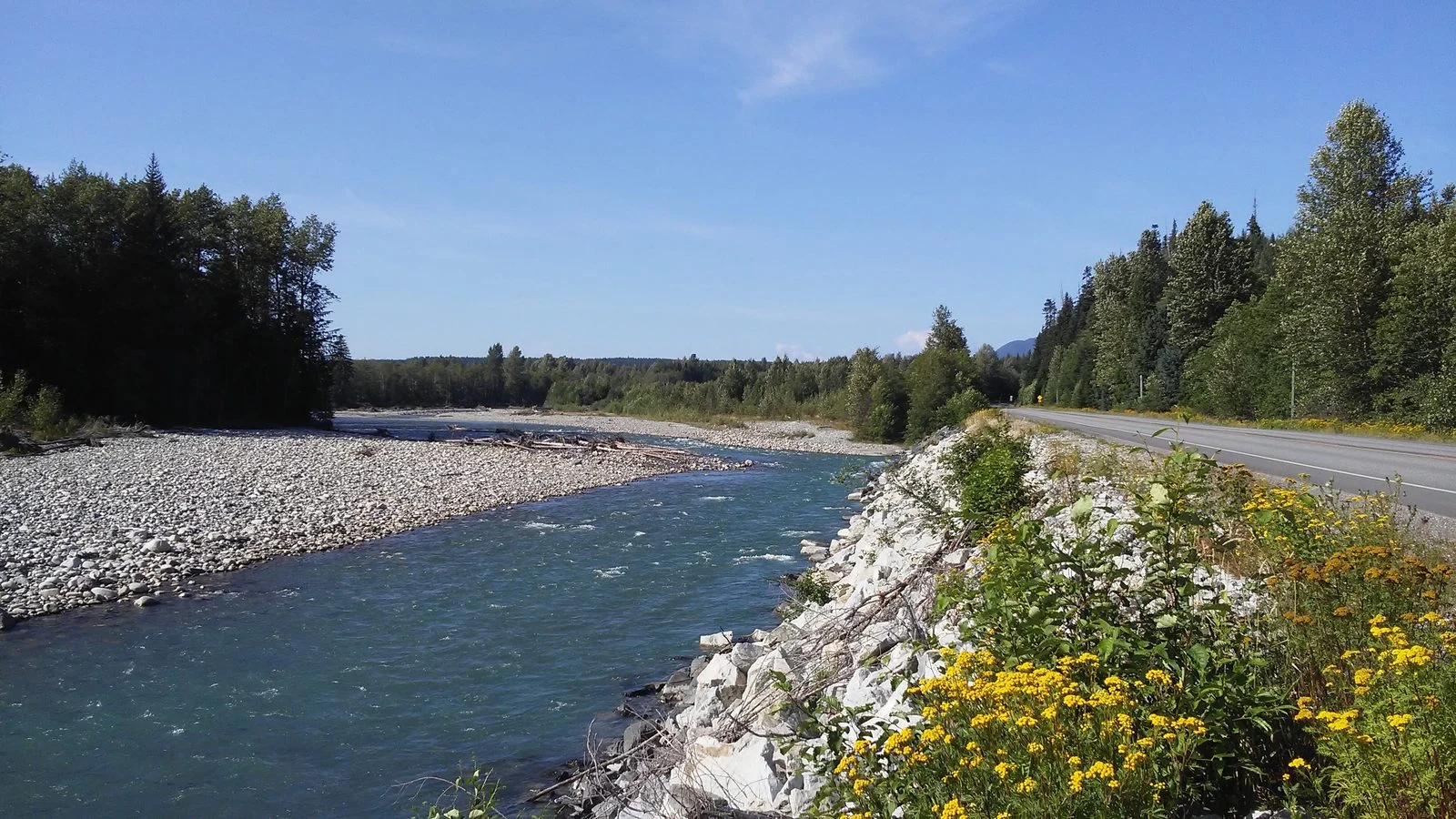
The bigger story is the signal this sends to global capital. After a decade in which Canada earned a reputation as a place where major energy projects go to die in regulatory review, five of the world’s largest energy companies just bet billions that the country can still build. Environmental groups will fight the emissions math, and they will not be quiet. But the investment is now real, the contracts are being signed, and the trains will be built.
Maplestime will provide updates from LNG Canada Phase 2 as announcements are made.
Have a tip about LNG Canada Phase 2? Email [email protected]
Have a correction? Email [email protected]
Is LNG Canada Phase 2 the nation-building energy win Canada has been waiting for, or a $50-billion fossil fuel bet the energy transition will leave behind? Tell us in the comments. And share this with every Canadian following the energy debate this week.
Enjoying Maplestime? Support independent Canadian journalism — no paywall, no corporate owners.