




TITLE: Newfoundland Productivity Mega Deduction 2026 — Thompson Pitches Business Tax Win to Paradise
SLUG: newfoundland-productivity-mega-deduction-2026
FOCUS KEYWORD: Productivity Mega Deduction
META: Ottawa’s Productivity Mega Deduction lets firms write off 65%+ of assets in year one, cutting the investment tax rate to 6.4%. Pitched in Paradise, N.L.
Canadian business news — Fisheries Minister Joanne Thompson walked into a Paradise, N.L. simulator company on Friday and sold the Productivity Mega Deduction as the biggest rewrite of Canada’s business tax code in half a century, promising businesses can write off more than 65 per cent of assets in year one and cutting the tax rate on new investment to 6.4 per cent.
By Maplestime Business Desk | Paradise, Newfoundland and Labrador | October 3, 2026
Sources: CNW / Government of Canada, Traders Union | Last updated: October 3, 2026
Key Takeaways
- Thompson visited Virtual Marine in Paradise on October 2 to promote the new federal mega deduction for Newfoundland and Labrador businesses.
- The measure expands immediate expensing from roughly 15% of assets to more than 65% — software, R&D, computer equipment, fibre-optic cable, greenhouses, aircraft and vehicles, patents, rail track, bridges and roads — and makes it permanent.
- The marginal effective tax rate on new business investment drops from about 13% to 6.4%, which Ottawa claims is the lowest of any major economy and less than half the U.S. rate.
- The pitch is aimed squarely at N.L. firms servicing major projects: Churchill Falls, Bay du Nord, and expanding mines.
What the Productivity Mega Deduction Actually Does
At its core, this is simple. A company buys a piece of equipment, and instead of depreciating it over years, it writes off the full cost in the first year. Under the new measure, that immediate-expensing treatment jumps from covering around 15 per cent of assets to more than 65 per cent — and it is now permanent, not a pilot, not a sunset clause.
The list of qualifying assets reads like an inventory of the modern economy: software, research and development, computer equipment, fibre-optic cable, greenhouses, aircraft and vehicles, patents, rail track, bridges and roads. Buy it, build it, deduct it.
The headline number Ottawa wants you to remember is the marginal effective tax rate on new business investment: down from roughly 13 per cent to 6.4 per cent. The government calls it the lowest of any major economy and less than half the American rate. If that holds up under scrutiny, it is a genuine competitive play, not just a press release.

Why Thompson Pitched It in Paradise
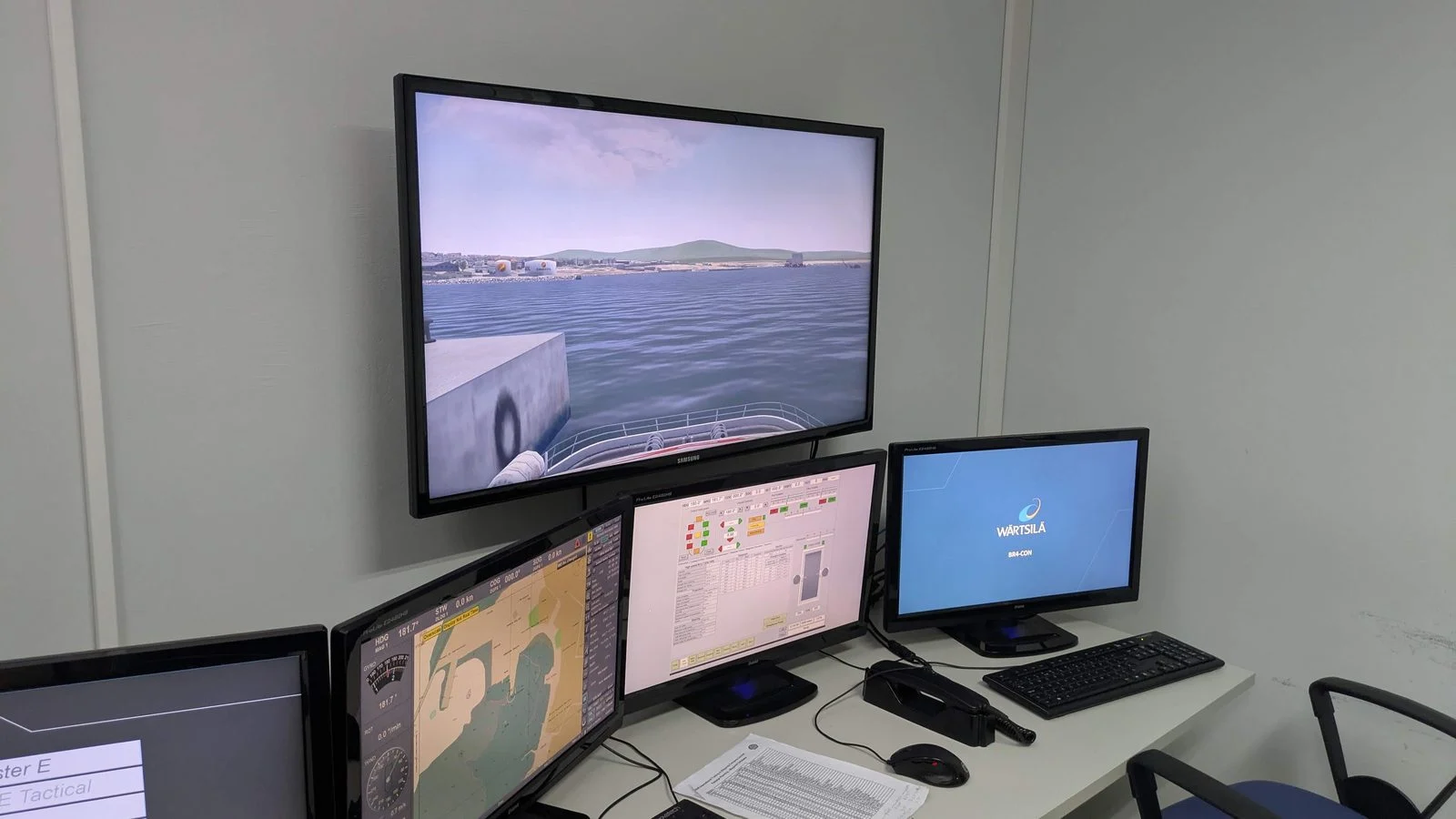
The location was no accident. Virtual Marine, the Paradise company that designs and builds marine emergency training simulators, is exactly the kind of firm Ottawa says this policy is for: a home-grown technology company whose simulators are now used around the world, hiring and expanding in Newfoundland and Labrador.
“Virtual Marine got its start keeping people safe at sea, and today its simulators are used around the world. We want more companies like this growing in Newfoundland and Labrador, which is why we’re bringing in the Productivity Mega Deduction. Businesses will be able to write off the full cost of new equipment and technology in the first year and put more of that money into hiring and expanding here at home,” Thompson said during the visit.
Thompson, who is both Minister of Fisheries and the MP for St. John’s East, framed the deduction as support for N.L. companies servicing the province’s heavy-hitting project pipeline: Churchill Falls, Bay du Nord, and expanding mines. The message to suppliers: buy the equipment now, deduct it now, staff up for the work coming down the pipe.
Related: LNG Canada Phase 2 Final Investment Decision 2026 — what the approval means for Canadian energy
The Fine Print Ottawa Does Not Shout About
A few things worth keeping in mind before anyone breaks out the calculator. First, immediate expensing is a timing benefit, not a subsidy: it accelerates deductions, which is real money in present-value terms, but it does not cut the statutory tax rate. Companies still need profits to deduct against, which means startups running losses get less help than the press conference suggests.
Second, “one of the biggest changes to Canada’s business tax system in half a century” is the government’s own billing. The claim that 6.4 per cent is the lowest rate of any major economy will need to survive independent tax economists running the numbers against the latest G7 tables. Tax policy this bold tends to attract counter-arguments, and they have not arrived yet.
Third, the real test is take-up. A write-off only changes behaviour if businesses were going to invest anyway or if the deduction tips a marginal decision. The Churchill Falls, Bay du Nord and mining supply chains in Newfoundland and Labrador are the proving ground Ottawa has chosen. Watch whether hiring numbers there move before calling this a win.

For now, Newfoundland and Labrador has the spotlight and a federal minister promising its companies first-mover advantage. The deduction is permanent, the math is generous, and the sales pitch was delivered in a building full of working simulators. That is about as concrete as a tax announcement gets. Whether it actually redirects a dollar of investment from Houston or Oslo to Paradise is the question the next earnings season will answer.
Maplestime will provide updates from the Productivity Mega Deduction rollout as announcements are made.
Have a tip about the Productivity Mega Deduction? Email [email protected]
Have a correction? Email [email protected]
Do you think the Productivity Mega Deduction will actually move a single dollar of new investment into Newfoundland and Labrador — or is this just Ottawa rebranding a tax trick and calling it a revolution? Tell us in the comments. And share this with every Canadian business owner trying to figure out whether this government is finally giving them something real.
Enjoying Maplestime? Support independent Canadian journalism — no paywall, no corporate owners.