




Canadian dollar news: the Loonie has fallen below 70 cents US to its weakest level in 19 months, and the gap between Canadian and American interest rates keeps pushing it down.
By Maplestime Business Desk | Toronto, Ontario | November 21, 2026
Sources: Reuters via Kitco, The Canadian Press | Last updated: November 21, 2026
Quick Answer: The Loonie traded at 69.81 US cents on Friday, November 20, edging 0.1 percent higher but still headed for a third straight weekly decline. On Thursday it touched its weakest intraday level since April 2025. The Loonie has fallen about 4 cents this year and is down about 2.2 percent against the US dollar over the past month.
Key Takeaways
- The loonie traded at 69.81 US cents on Friday, November 20, and is headed for a third straight weekly decline.
- On Thursday, November 19, it touched its weakest intraday level since April 2025 at 1.43575 per US dollar.
- The loonie has fallen about 4 cents this year, from approximately 74.1 cents in late January to 69.88 cents on November 19, a decline of about 5.7 percent.
- The main driver is the widening interest rate gap: the Bank of Canada policy rate is 2.50 percent versus the US Federal Reserve at 3.75 to 4.00 percent.
- A US$1,000 trip now costs about CA$1,431, about $81 more than in January.
Why Is the Loonie Falling?
The essential driver is the widening interest rate gap. The Bank of Canada policy rate sits at 2.50 percent while the US Federal Reserve rate is 3.75 to 4.00 percent, and that spread pulls money toward the US dollar. Scotiabank chief FX strategist Shaun Osborne put it plainly: “The essential driver of the Canadian dollar exchange rate has been that widening interest rate differential, the spread between short-term U.S. interest rates and short-term Canadian interest rates.”
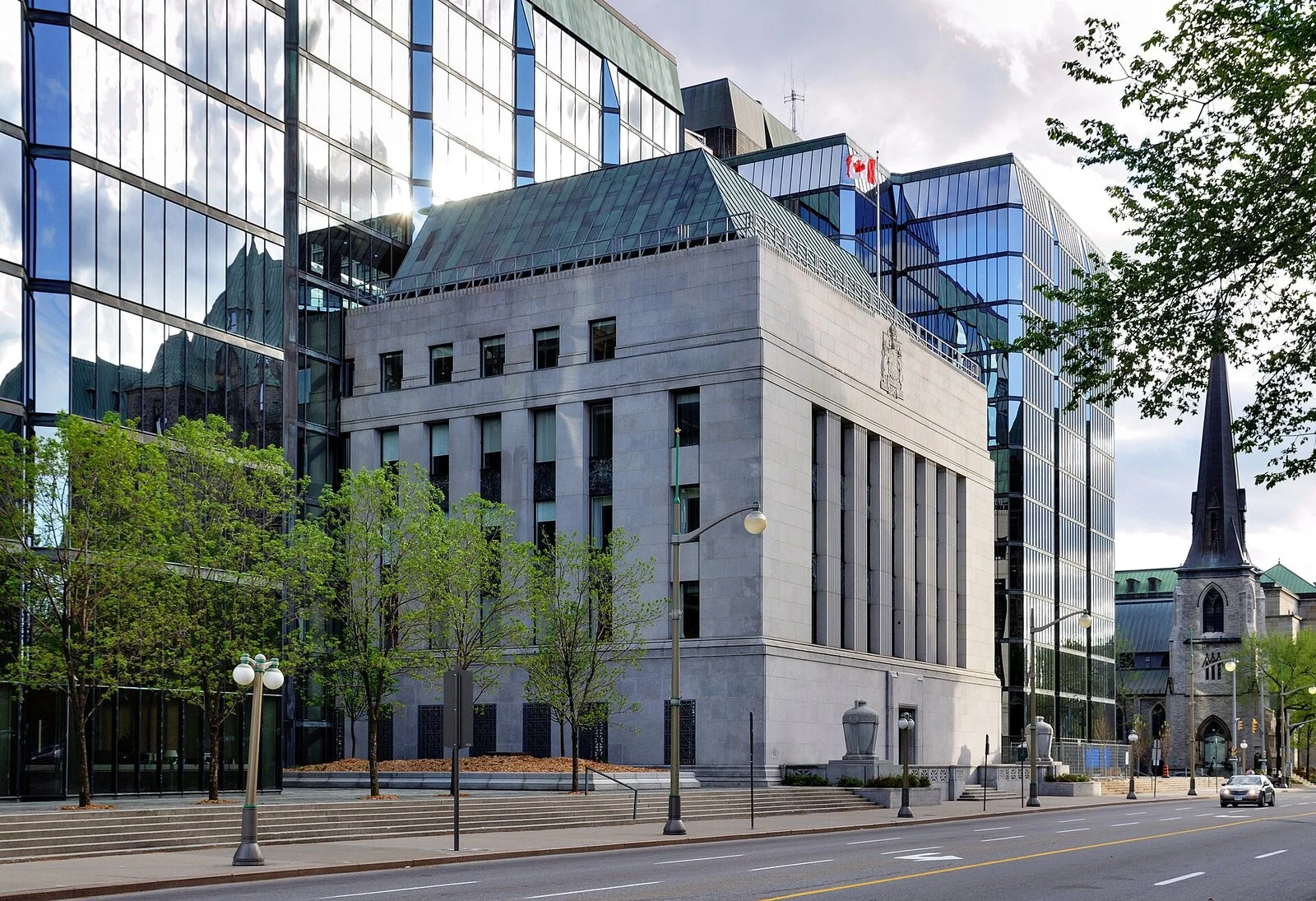
The gap may widen further. Federal Reserve meeting minutes released November 18 showed almost all officials expect more hikes, and markets fully price a December Fed hike. In Canada, December Bank of Canada hike odds are now seen at roughly 50 percent. BMO senior economist Sal Guatieri said the loonie was at its lowest ebb against the big dollar since March 2025, when the trade dispute with the United States began.
Related: Bank of Canada December rate decision Splits Economists and Traders After Inflation Holds at 3.1%
What does a weak loonie cost Canadians?
For anyone heading south, the cost is easy to count. A US$1,000 trip now costs about CA$1,431, about $81 more than in January, making US travel pricier. The same weak dollar also boosts the value of US stocks held in Canadian dollars and helps Canadian exporters, so it is not bad news for everyone. But for shoppers and travellers, every cent the loonie loses is felt at the till and at the border.
Oil added to the pressure. US crude futures were trading 0.6 percent lower at $82.75 a barrel on Friday, down about 4.1 percent on the week to about $82.50. Canadian 10-year bond yields fell 10.6 basis points to 3.703 percent, the lowest since November 12, as US Treasuries benefited from safe haven demand.
What happens next for the loonie?
October inflation held at 3.1 percent, with gasoline up 30.9 percent year over year, and employment has fallen three months running. That combination complicates the Bank of Canada’s December decision: inflation argues against cutting, while a weakening job market argues against hiking. With December Bank of Canada hike odds at roughly 50 percent and a Fed hike fully priced in, the rate gap that is driving the loonie down may not close soon.
The loonie has now fallen about 5.7 percent this year. Unless the Bank of Canada surprises in December or the Fed softens its stance, Canadians should expect the dollar to stay under pressure, and US trips, imports and cross border shopping to keep getting more expensive.
Read more: TSX sinks a seventh straight day in its worst week since 2020 and UBS forecasts Canada will grow just 1.4% in 2027.
Frequently Asked Questions
How low did the loonie go this week?
On Thursday, November 19, it touched its weakest intraday level since April 2025 at 1.43575 per US dollar, and it traded at 69.81 US cents on Friday, November 20.
Why is the Canadian dollar falling?
The main driver is the widening interest rate gap: the Bank of Canada rate is 2.50 percent versus the US Federal Reserve at 3.75 to 4.00 percent, pulling money toward the US dollar.
What does a weaker loonie mean for my wallet?
A US$1,000 trip now costs about CA$1,431, about $81 more than in January. US travel and imports get pricier, while Canadian exporters and holders of US stocks benefit.

Maplestime will provide updates from the Canadian dollar as announcements are made.
Have a tip about the Canadian dollar? Email [email protected]
Have a correction? Email [email protected]
Do you think the Bank of Canada should hike in December to defend the loonie, or hold steady and let it slide? Tell us in the comments. And share this with every Canadian watching their travel budget and the cost of living this winter.
Enjoying Maplestime? Support independent Canadian journalism — no paywall, no corporate owners.