




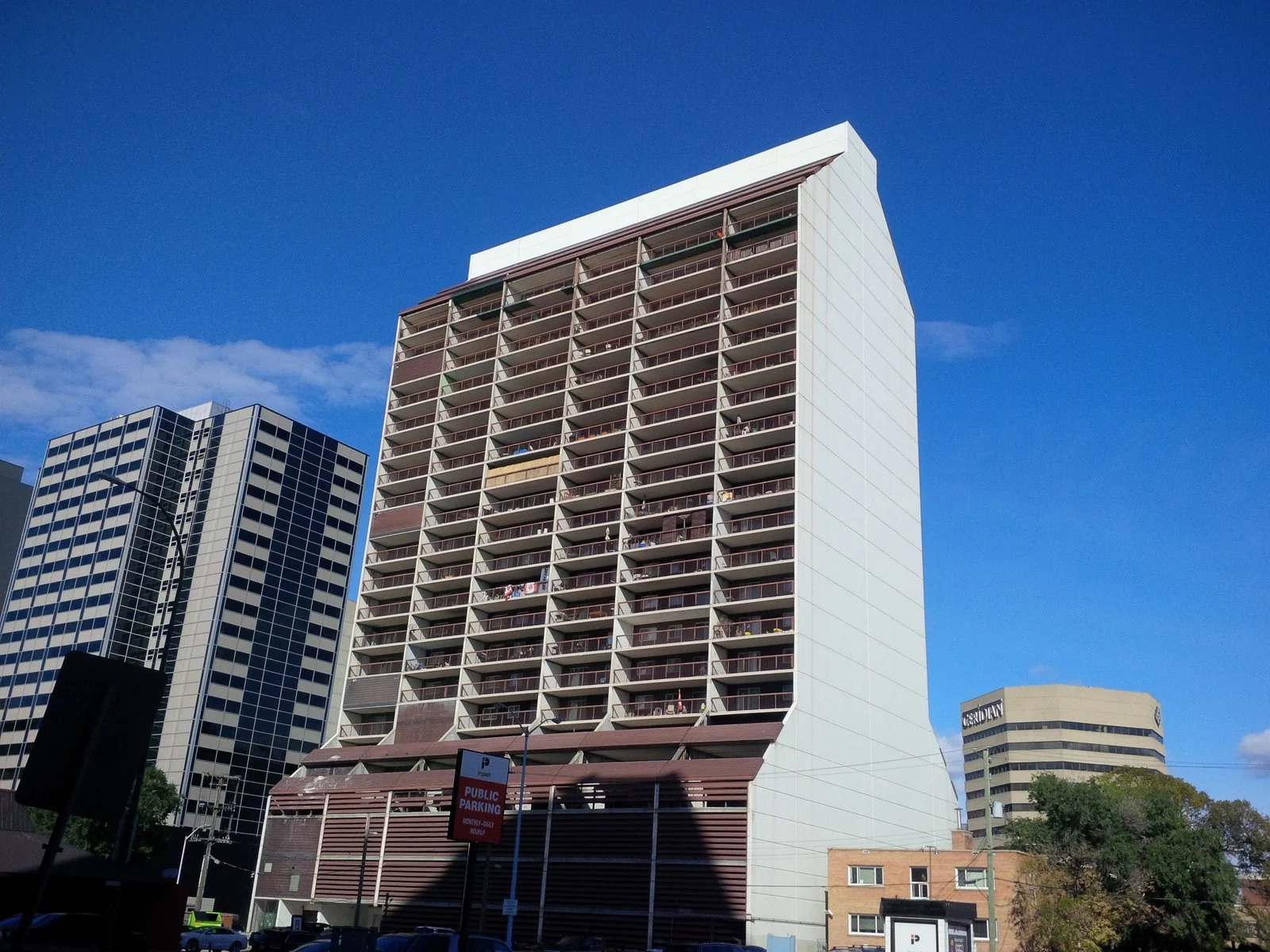
Winnipeg housing news: Manitoba is slashing Above-Guideline Rent Hikes by 40 per cent, cutting the share of a landlord’s capital costs that can be passed to tenants. The October 20 rule change also bans landlords from collecting proposed increases while their applications are still before the Residential Tenancies Branch, closing a loophole that forced renters to pay more before anyone had ruled on the hike.
By Maplestime Winnipeg Desk | Winnipeg, Manitoba | October 22, 2026
Sources: Law360 Canada, Winnipeg Free Press | Last updated: October 22, 2026
Key Takeaways
- The share of eligible capital spending a landlord can count toward an above-guideline application drops from one-third to 20 per cent, a 40 per cent cut.
- Landlords can no longer collect proposed Above-Guideline Rent Hikes while the Residential Tenancies Branch decides.
- The Renter’s Affordability Tax credit rises to $675, issued as cheques so renters see the benefit through the year.
- Manitoba’s rent guideline is 1.8 per cent for 2026 and 3 per cent for 2027; rent control expands to units up to $2,000 a month on January 1, 2027.
What the New Above-Guideline Rent Hikes Rule Changes
An above-guideline increase lets a landlord raise rent beyond Manitoba’s annual guideline when eligible capital spending justifies it. Until now, the regulation let landlords count one-third of an eligible capital expenditure toward the application. The new Above-Guideline Rent Hikes rule cuts that share to 20 per cent, a 40 per cent reduction in what can be passed on.
Just as important is the timing rule. Landlords are now barred from collecting proposed increases while their applications sit before the Residential Tenancies Branch. That practice had renters paying higher rent for months before the branch ever decided whether the hike was justified. When the branch rejects an application, those tenants were left chasing money back.

The Wingspan Dispute That Lit the Fuse
Last month, protesters gathered outside Premier Wab Kinew’s constituency office as some above-guideline increases were set to take effect November 1. The dispute centered on Wingspan, an Alberta-based landlord that acquired as many as 30 Winnipeg apartment buildings and filed hikes at eight properties.
Kinew said the changes are about shifting the balance. “But today we’re also announcing a few steps that take things a bit further, to balance things back in the direction of renters, of tenants, of people who work hard in Manitoba and just need a little bit of help in this cost of living crisis we are all facing,” he said, per the Winnipeg Free Press.
Related: Prince Albert Sober Living Spaces 2026: 12 New Second-Stage Recovery Beds Open With Grand Council
What Renters Get Beyond the 40 Per Cent Cut
There is more in the package. The Renter’s Affordability Tax credit rises to $675, and it will be issued as cheques so renters get the money upfront through the year instead of waiting on a tax return.
For context, Manitoba’s annual rent guideline sits at 1.8 per cent for 2026 and rises to 3 per cent in 2027. Starting January 1, 2027, rent control coverage expands to units renting for up to $2,000 a month, up from $1,670.
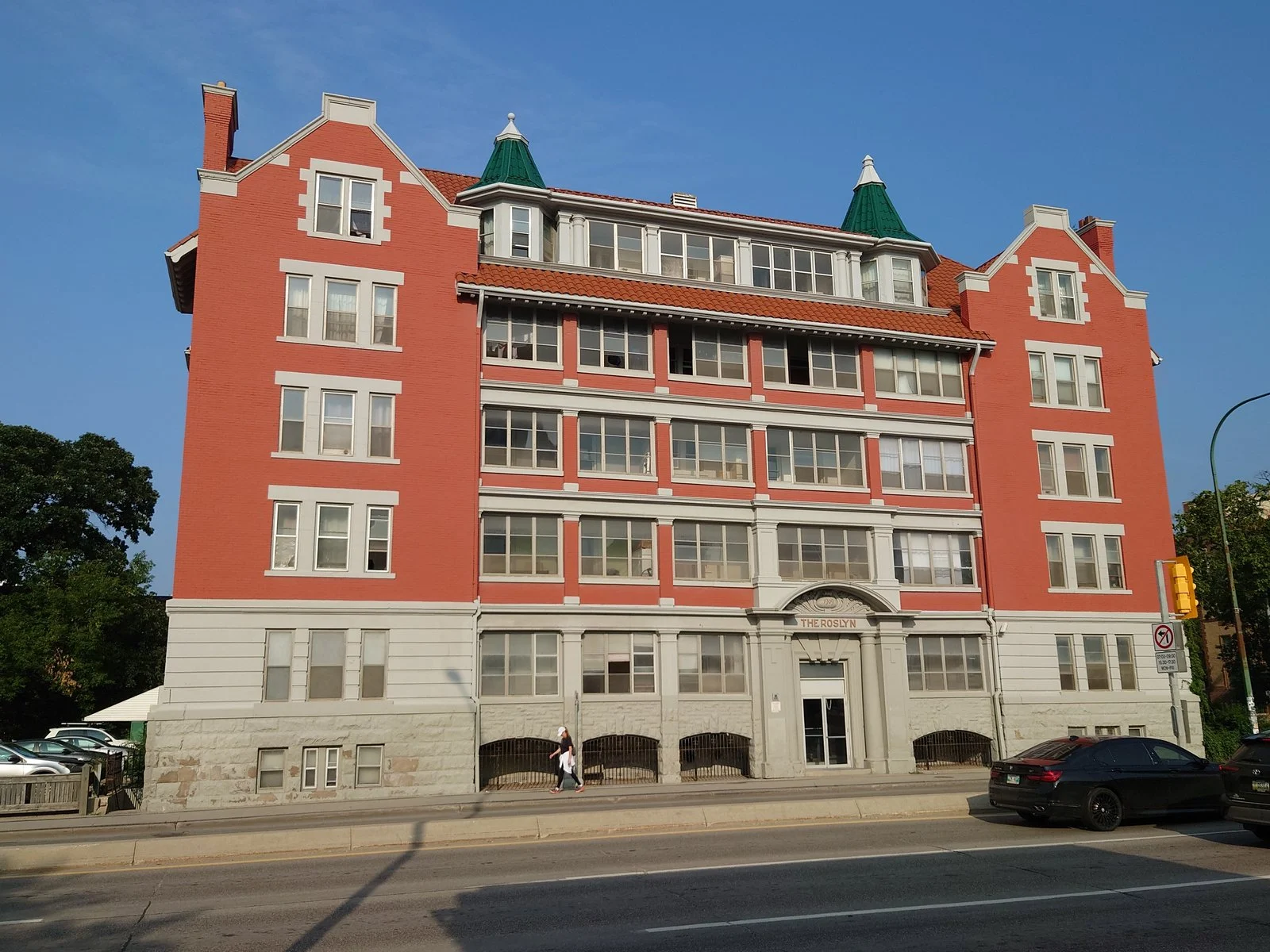
Maplestime will provide updates from Manitoba’s Above-Guideline Rent Hikes rules as announcements are made.
Have a tip about Above-Guideline Rent Hikes in Manitoba? Email [email protected]
Have a correction? Email [email protected]
Will a 40 per cent cut to Above-Guideline Rent Hikes finally balance the scales for renters, or will landlords just find another way to pass the bill upstairs? Tell us in the comments. And share this with every Winnipeg renter who opens their rent notice with one eye closed.
Enjoying Maplestime? Support independent Canadian journalism — no paywall, no corporate owners.