




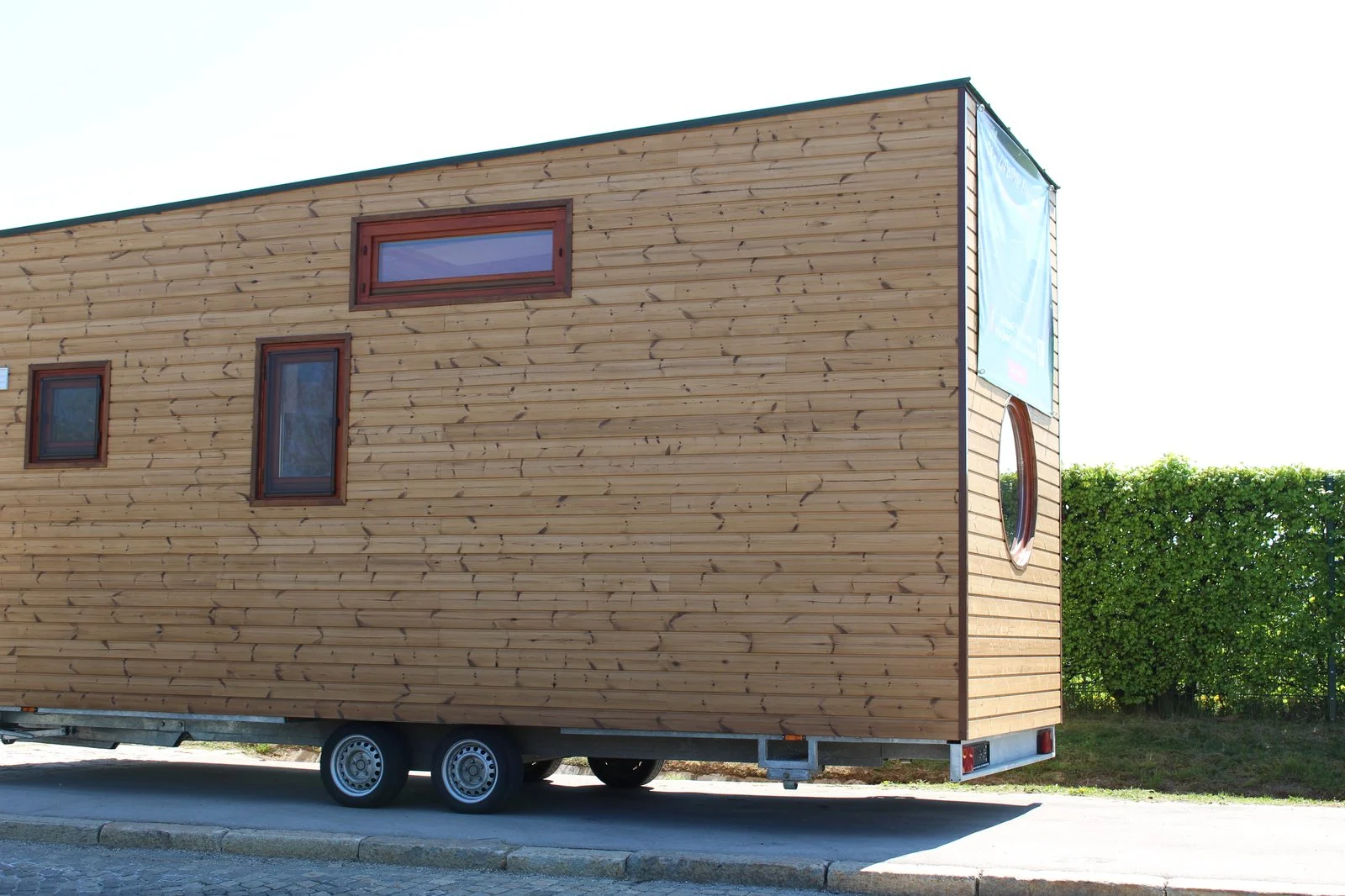
Saskatchewan housing news — twelve tiny homes are headed to northern Saskatchewan for Métis citizens who need an affordable place to call their own, a $3.26-million project announced September 23 that will build six units in La Loche, three in Cumberland House and three in Buffalo Narrows, all of them affordable rentals for single low-income renters, with the whole thing targeted for completion by spring 2027.
By Maplestime News Desk | Saskatchewan, Canada | September 24, 2026
Sources: Métis Nation–Saskatchewan, Government of Saskatchewan | Last updated: September 24, 2026
Key Takeaways
- The build: 12 tiny homes — 6 in La Loche, 3 in Cumberland House, 3 in Buffalo Narrows.
- The money: $3.26 million total, with $1.5 million in federal and provincial funding and $1.58 million from Métis Nation–Saskatchewan.
- Who it’s for: single low-income Métis citizens looking for affordable rentals in the north.
- The timeline: the construction kickoff gathered in Buffalo Narrows on September 23, 2026; completion is set for spring 2027.
- The bigger picture: led by Métis Nation–Saskatchewan, the project builds on the Canada–Saskatchewan–Métis Nation–Saskatchewan housing partnership.
Where the Métis Tiny Homes Saskatchewan Project Is Building
Half of the homes are going to La Loche, the Dene and Métis community on the western shore of Lac La Loche that has seen some of the hardest housing pressure in northern Saskatchewan. The other six are split evenly: three for Cumberland House, one of the oldest settlements in the province, and three for Buffalo Narrows.
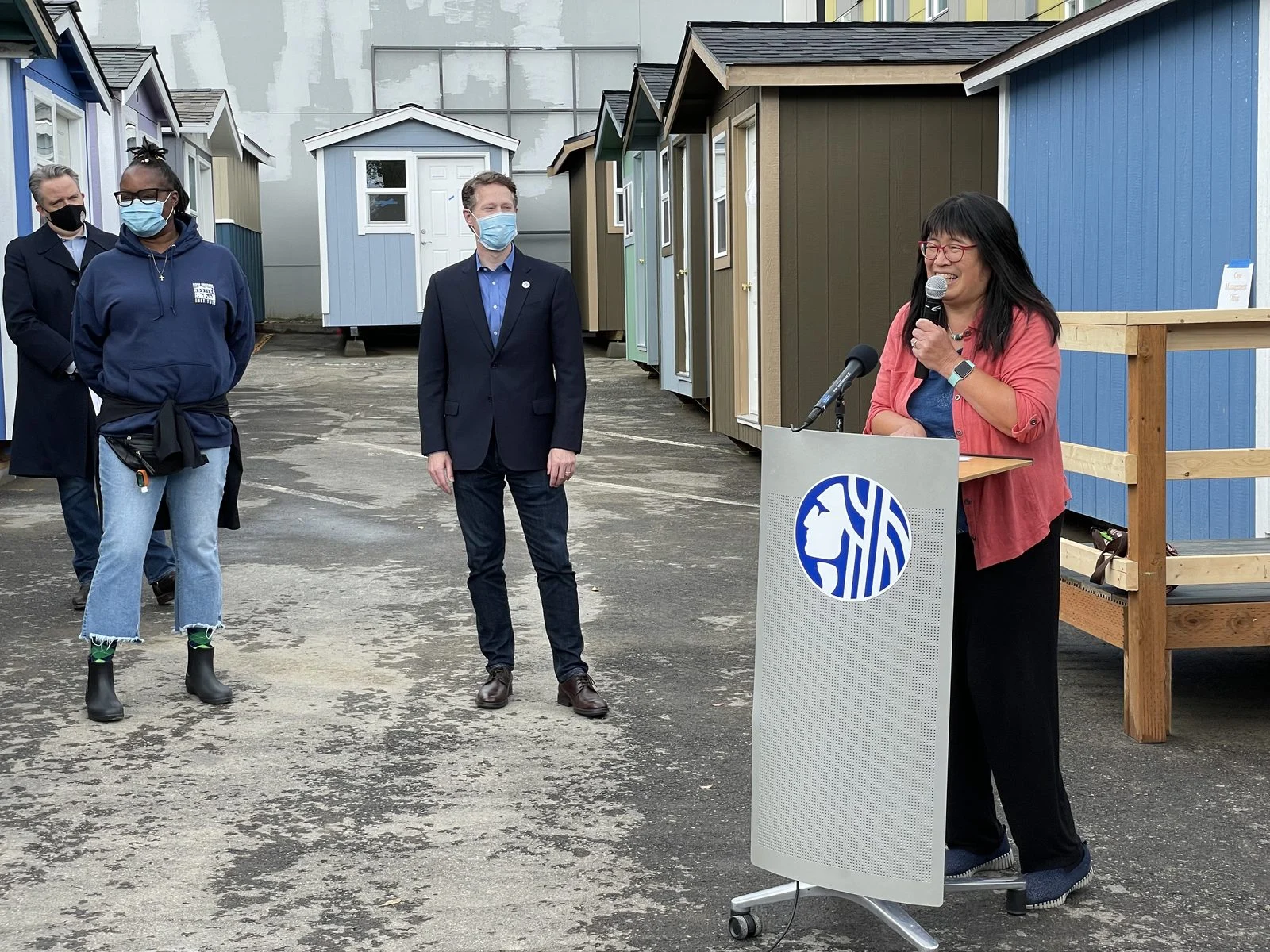
Buffalo Narrows hosted the construction kickoff gathering on September 23, bringing together Métis Nation–Saskatchewan leadership and Social Services Minister Terry Jenson to mark the start of the build. Twelve homes may not sound like a revolution — but in northern communities where the housing waitlists stretch for years, every unit with a front door and a furnace is one.
Related: Canada Housing Market 2026 — The Honest Guide to What Is Actually Happening With Home Prices
The Money: $3.26 Million, Three Partners
The $3.26-million price tag is split across three partners: $1.5 million in federal and provincial funding, and $1.58 million from Métis Nation–Saskatchewan itself. That’s the model worth watching — not Ottawa dropping a cheque from 30,000 feet, but the Métis government putting its own money down alongside the other two orders of government.
Minister Jenson, who carries both the Social Services and Saskatchewan Housing Corporation portfolios, was on hand for the announcement, underlining that the province sees this as part of its northern housing commitments rather than a one-off photo op.
Why Tiny Homes Make Sense in the North
Tiny homes are not a gimmick here. They cost a fraction of a full-size build, they go up fast, and in communities where heating a house through a minus-40 January is one of the biggest costs of living, a small, well-insulated footprint is a feature — not a compromise. For single renters on low incomes, a small rental they can actually afford beats a big house they’ll never get into.
The rental model matters too. These are affordable rentals, not units for sale — aimed squarely at single Métis citizens who are too often invisible in housing programs built around families.
What to Watch Next
Spring 2027 is the target, and the real test is whether the homes land on time and on budget in communities where construction seasons are short and logistics are long. If it works, the Métis Nation–Saskatchewan partnership model could become the template for a lot more than twelve homes.
Maplestime will provide updates from this story as new announcements are made.
Have a tip about this story? Email [email protected]
Have a correction? Email [email protected]
Should every province be building tiny-home rentals for the people the housing market forgot — or is $3.26 million for 12 homes proof the money still isn’t going far enough? Tell us in the comments. And share this with every Canadian watching the housing crisis.
Enjoying Maplestime? Support independent Canadian journalism — no paywall, no corporate owners.