



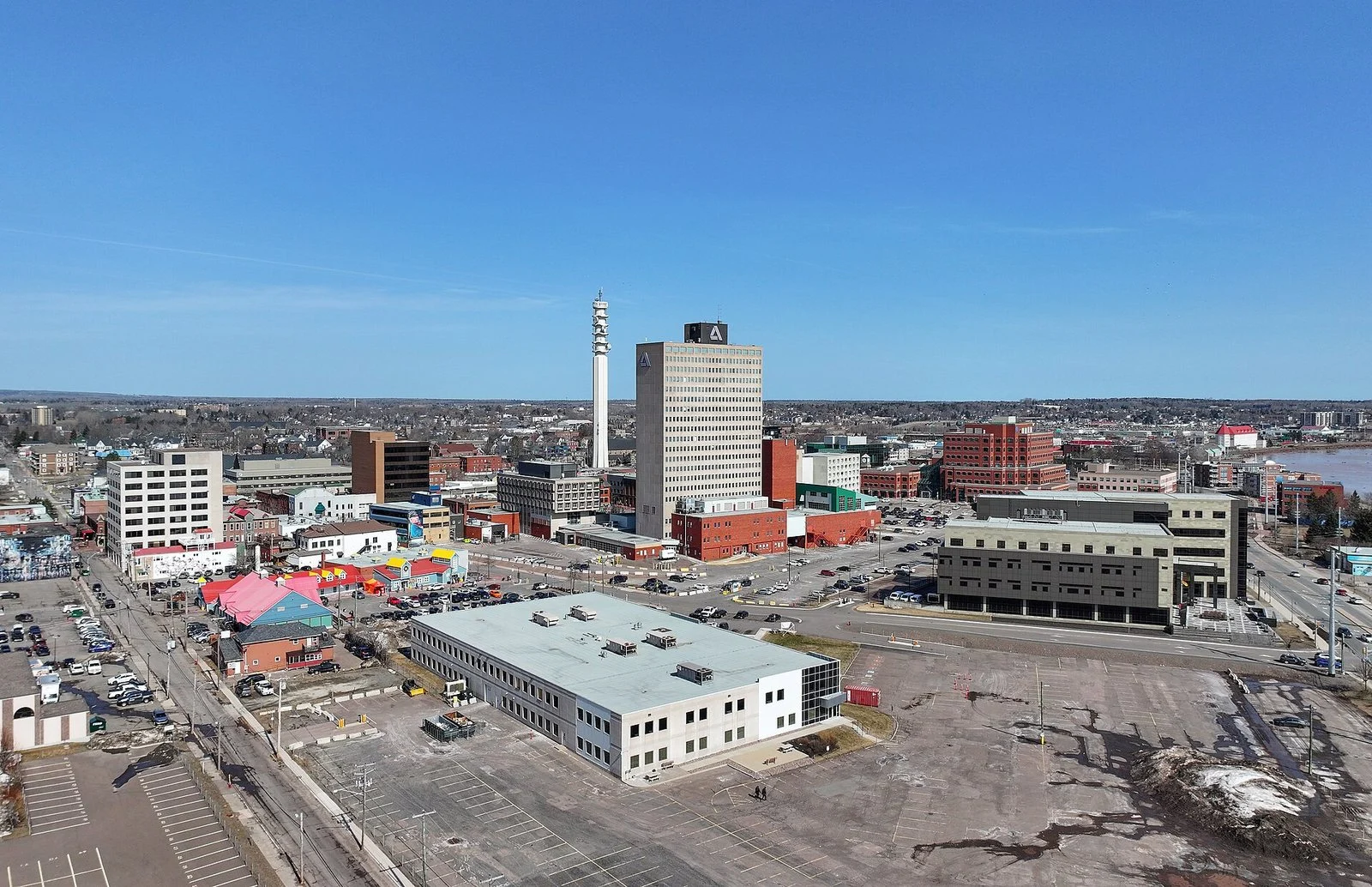
New Brunswick news — Moncton’s fire chief says Moncton overdose calls have “stabilized” after a terrifying late-spring spike, but with 983 overdose calls so far this year and medetomidine-laced fentanyl still in the drug supply, the city is staying on alert for the next bad batch.
By Maplestime News Desk | New Brunswick, Canada | September 24, 2026
Sources: WE News, Municipal Information Network | Last updated: September 24, 2026
Key Takeaways
- Moncton Fire answered 7,373 total calls through the end of August 2026.
- 983 overdose calls so far this year — more than double the 470 in the same period last year.
- Crews also answered 1,431 calls for unconscious persons; some may not have been confirmed overdoses.
- The worst weekend saw 52 overdose calls, when a normal day brings four or five.
- The surge was driven by medetomidine-laced fentanyl — a veterinary tranquilizer never meant for human consumption.
Moncton Overdose Calls “Stabilized” After Spike
The numbers tell a brutal story, and a slightly hopeful one. Moncton’s fire chief told city council that the surge of Moncton overdose calls that slammed the city in late spring has now levelled off. The weekly average is down from those nightmare highs, and crews are finally catching their breath.
“The situation seems to be stabilized and now we’re monitoring closely in case there’s another spike or another batch of bad drugs that come in,” the fire chief told council.
Stabilized, not solved. Through the end of August, Moncton Fire has responded to 983 overdose calls this year, compared with just 470 during the same stretch of last year. That is more than double — and the calendar still has four months left in it.
A Bad Batch Behind The Worst Weekend
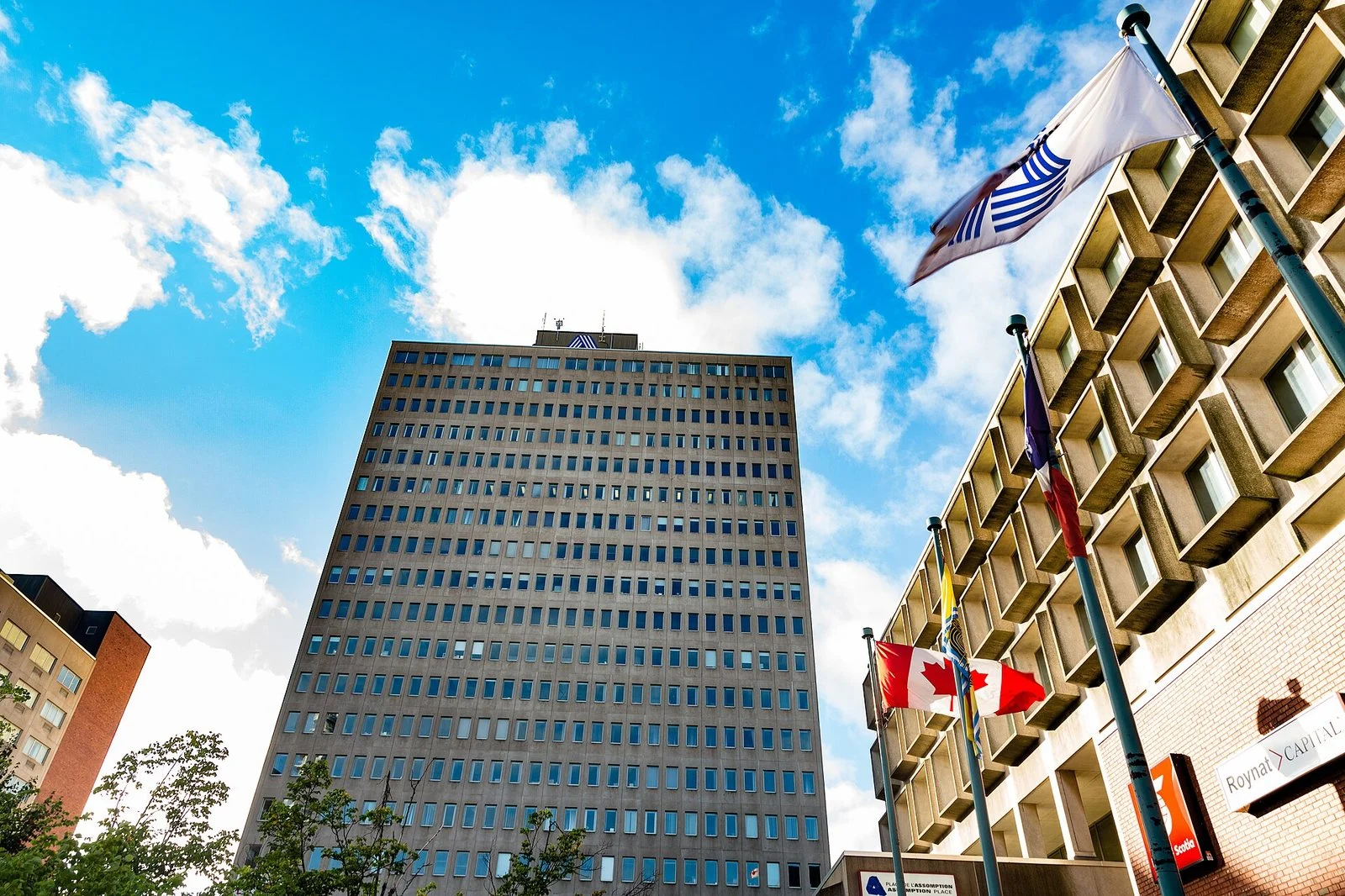
At the peak, the situation bordered on unmanageable. In a single weekend, firefighters answered 52 overdose calls — roughly what a normal week and a half would bring. The city’s Emergency Measures Office and public-health partners had to step in to help coordinate the response as the toxic supply hit.
The culprit was medetomidine, a powerful veterinary tranquilizer that has been turning up mixed into fentanyl in the local drug supply. It produces unexpected effects, complicates overdose treatment, and is simply not made for human consumption. Public-health officials have been tracking toxicology reports to catch the next contaminant before it hits the streets.
Related: Join the campaign to protect public health care in Canada
What The City Is Watching Now
Officials did not provide a confirmed count of fatalities linked to the surge, and the fire chief cautioned council that some of the 1,431 unconscious-person calls this year may not have been confirmed overdoses when crews arrived. The data, in other words, is real but imperfect — the human cost behind it is not.
- Total fire calls: 7,373 through end of August 2026
- Overdose calls: 983 this year vs. 470 in the same period last year
- Unconscious-person calls: 1,431 — some not confirmed as overdoses
- Peak: 52 overdose calls in one weekend; normal is four to five a day
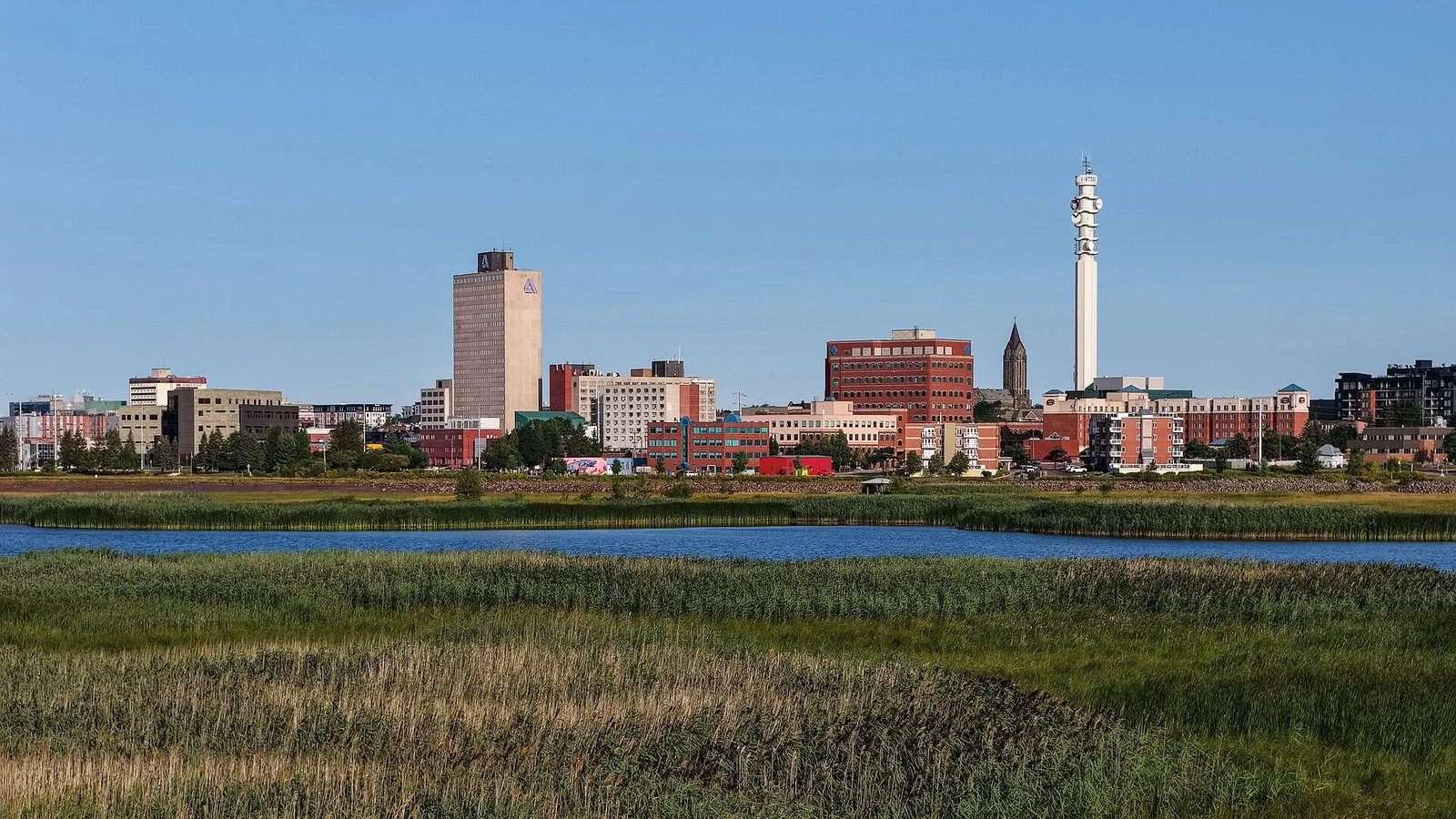
Crews have increased monitoring and remain ready for rapid changes in call volume. Public-health surveillance continues, and the message from the fire chief is clear: the numbers are better, but nobody is declaring victory. A fresh batch of contaminated drugs could send the call board spiking again at any time.
The people on the front lines — firefighters, paramedics, harm-reduction workers — carried this city through the worst of it this spring. The least the rest of us can do is pay attention while the danger passes.
Maplestime will provide updates from this story as new announcements are made.
Have a tip about this story? Email [email protected]
Have a correction? Email [email protected]
Should cities like Moncton get emergency federal funding the moment a toxic drug batch hits — or is New Brunswick still pretending this crisis will solve itself? Tell us in the comments. And share this with every Canadian who thinks the overdose crisis is someone else’s problem.
Enjoying Maplestime? Support independent Canadian journalism — no paywall, no corporate owners.