



Montreal hunger crisis: the Montreal HungerCount 2026 report landed this morning, and the numbers are the worst Moisson Montréal has ever recorded. Partner food banks now field 1,257,325 requests for food assistance every single month, up 14 percent in one year. In a city that holds barely a quarter of Quebec’s population, nearly half of the province’s hunger now lives here.
By Maplestime News Desk | Montreal, Quebec | October 21, 2026
Sources: Moisson Montréal via GlobeNewswire, Banques alimentaires du Québec via Newswire, Food Banks Canada via Newswire | Last updated: October 21, 2026
Key Takeaways
- Moisson Montréal’s partner organizations now handle a record 1,257,325 food assistance requests per month, up 14 percent year over year.
- Montreal holds about 24 percent of Quebec’s population but accounts for 45 percent of people relying on food assistance province-wide; nearly 270,000 unique individuals are supported in Montreal alone.
- The need is chronic: two of three organizations report more households coming back month after month, not as one-time emergencies.
- Capacity is cracking: half of organizations are shrinking hamper sizes, one in four must sometimes turn people away, and half now buy food out of their own budgets.
- Province-wide, the Bilan-Faim 2026 counts more than 3.27 million monthly requests; nationally, the Montreal HungerCount story matches a Canada-wide HungerCount showing Quebec at 785,889 monthly visits, up 5.3 percent.
Montreal HungerCount 2026: The Numbers Behind the Record
Moisson Montréal released its HungerCount 2026 findings at 6:00 a.m. ET today, October 21, and the headline figure tells the whole story in one breath. Its network of partner organizations now handles 1,257,325 requests for food assistance every month. That is the highest number the organization has ever recorded, and it represents a 14 percent jump in just twelve months.
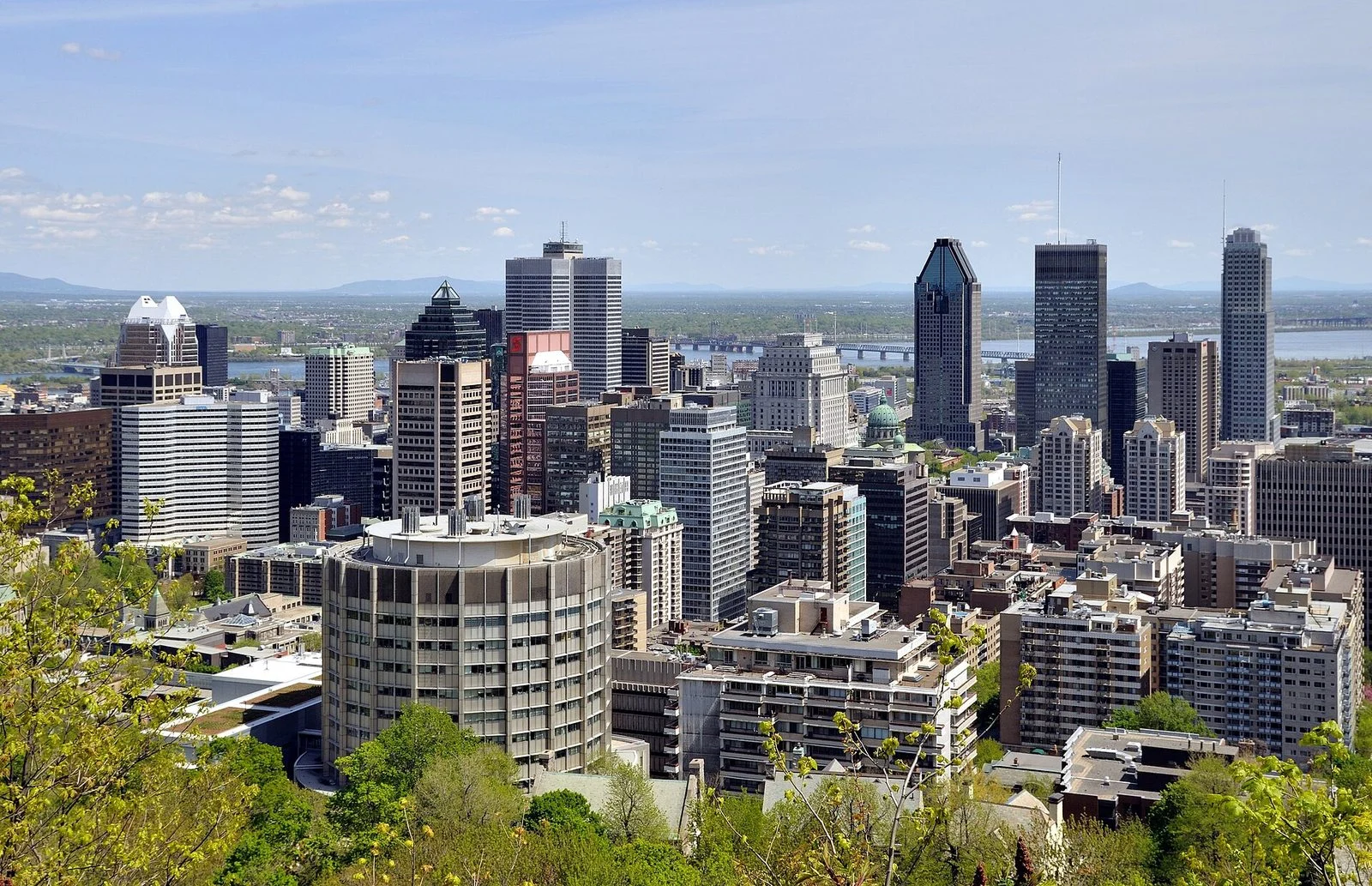
Context matters here. Montreal is home to roughly 24 percent of Quebec’s population. Yet the island and its surrounding community organizations are absorbing 45 percent of the province’s food assistance demand. Nearly 270,000 unique individuals rely on that network in Montreal alone. This is not a fringe problem or a neighbourhood problem. The Montreal HungerCount data says plainly that hunger in Quebec is increasingly a Montreal story.

Half of Quebec’s Hunger Lives in One City
The geographic imbalance is the number that should make policymakers sit up. When almost half of a province’s food bank demand concentrates in a city with barely a quarter of its people, something structural is breaking. Rents, grocery prices, and the cost of simply existing in Montreal have outrun what too many households can cover.
And the people showing up are not passing through. Two of three organizations surveyed say they are seeing more households return month after month. The Montreal HungerCount paints a picture of chronic, repeating need: the same families, the same line, the same month. Emergency aid was designed for emergencies. It is now functioning as a permanent second grocery budget for hundreds of thousands of people.
The Need Is Chronic, and the Shelves Are Emptying
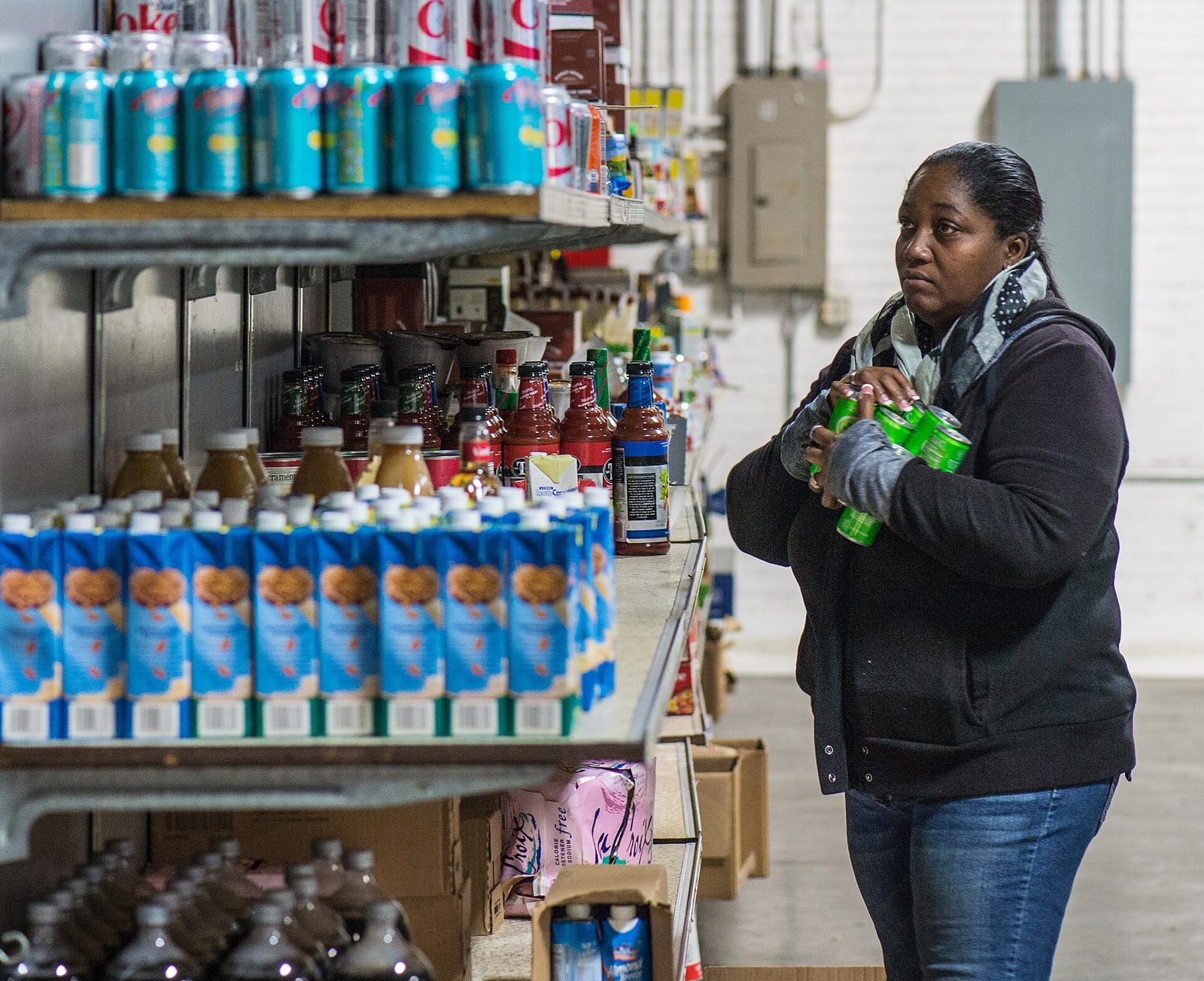
Here is where the report gets genuinely alarming. The organizations themselves are running out of room to absorb demand. Half of them are shrinking the size of the hampers they hand out, which means the same visit now buys a family less food. One in four must sometimes turn people away entirely. And half of all organizations are now spending their own operating budgets to buy food, a sign that donations and supply chains are not keeping pace with the line at the door.
Read those three numbers together and the system is not strained, it is rationing. When food banks start rationing, the families at the end of the line do not get a smaller hamper. They get nothing.
Quebec and Canada Are in the Same Boat
The Montreal HungerCount was not the only alarm bell this morning. Banques alimentaires du Québec released its province-wide Bilan-Faim 2026 at the same time, and it reports more than 3.27 million monthly food assistance requests across Quebec. Its network spans 34 regional members serving 1,400 community organizations and 600,000 people every month.
The national picture is just as stark. Food Banks Canada’s 2026 HungerCount, also released today, puts Quebec at 785,889 monthly food bank visits, up 5.3 percent year over year and up a staggering 127.7 percent since 2019. That includes 274,193 children. In Ontario, visits reached 846,724, up 10.9 percent. The Montreal HungerCount record, in other words, is the sharp end of a national crisis, not a local anomaly.
Beyond Emergency Aid: The Quote That Should Set the Agenda
Alexandre Lebel, directeur général of Banques alimentaires du Québec, put it bluntly this morning: « au-delà de l’aide d’urgence, nous devons collectivement nous attaquer aux causes profondes qui maintiennent trop de Québécoises et de Québécois dans la précarité. »
In plain English: “Beyond emergency aid, we must collectively tackle the root causes keeping too many Quebecers in precarity.” He is right, and the numbers behind him make the case. A 127.7 percent increase in Quebec food bank visits since 2019 is not a blip. It is the bill for years of wages lagging behind the cost of living. The Montreal HungerCount 2026 does not just ask for more donations. It asks whether emergency food aid, no matter how generous, can keep covering a structural hole in how people afford to live.
Maplestime will provide updates from the Montreal HungerCount 2026 as new data and government responses are announced.
Have a tip about food insecurity in Montreal? Email [email protected]
Have a correction? Email [email protected]
Is emergency food aid still enough when nearly half of Quebec’s hunger is concentrated in one city, or is it time governments treated the root causes like the emergency they are? Tell us in the comments. And share this with every Canadian who thinks hunger is someone else’s problem.
Enjoying Maplestime? Support independent Canadian journalism — no paywall, no corporate owners.