



Canadian infrastructure news — Ottawa is wiring $461,442,000 to New Brunswick under the $51-billion Build Communities Strong Fund, with housing, post-secondary education and health infrastructure splitting the pot. For a province squeezed by rising rents, strained campuses and crowded emergency rooms, this is the kind of federal cheque that actually moves the needle — if the projects get built on time.
By Maplestime News Desk | Moncton, New Brunswick | September 26, 2026
Sources: Canadian Press, Government of Canada | Last updated: September 26, 2026
Key Takeaways
- The New Brunswick Infrastructure Deal delivers $461,442,000 in federal money through the Provincial and Territorial stream of the Build Communities Strong Fund.
- More than $305 million over 10 years is earmarked for housing and post-secondary education projects; over $155 million over three years goes to health infrastructure.
- New Brunswick will match federal dollars for eligible municipal and provincial projects, and at least 20% of the funding must reach rural, northern and Indigenous communities.
- As a condition of the deal, the province committed not to raise any fees or taxes that would hold back housing supply.
- The first named project is Moncton’s Dr. Georges-L.-Dumont University Hospital: over $11 million to renovate roughly 13,800 sq. ft. into 12 endoscopy rooms, plus $500,000 to plan a redesign of its Emergency, Oncology and Obstetrics departments.
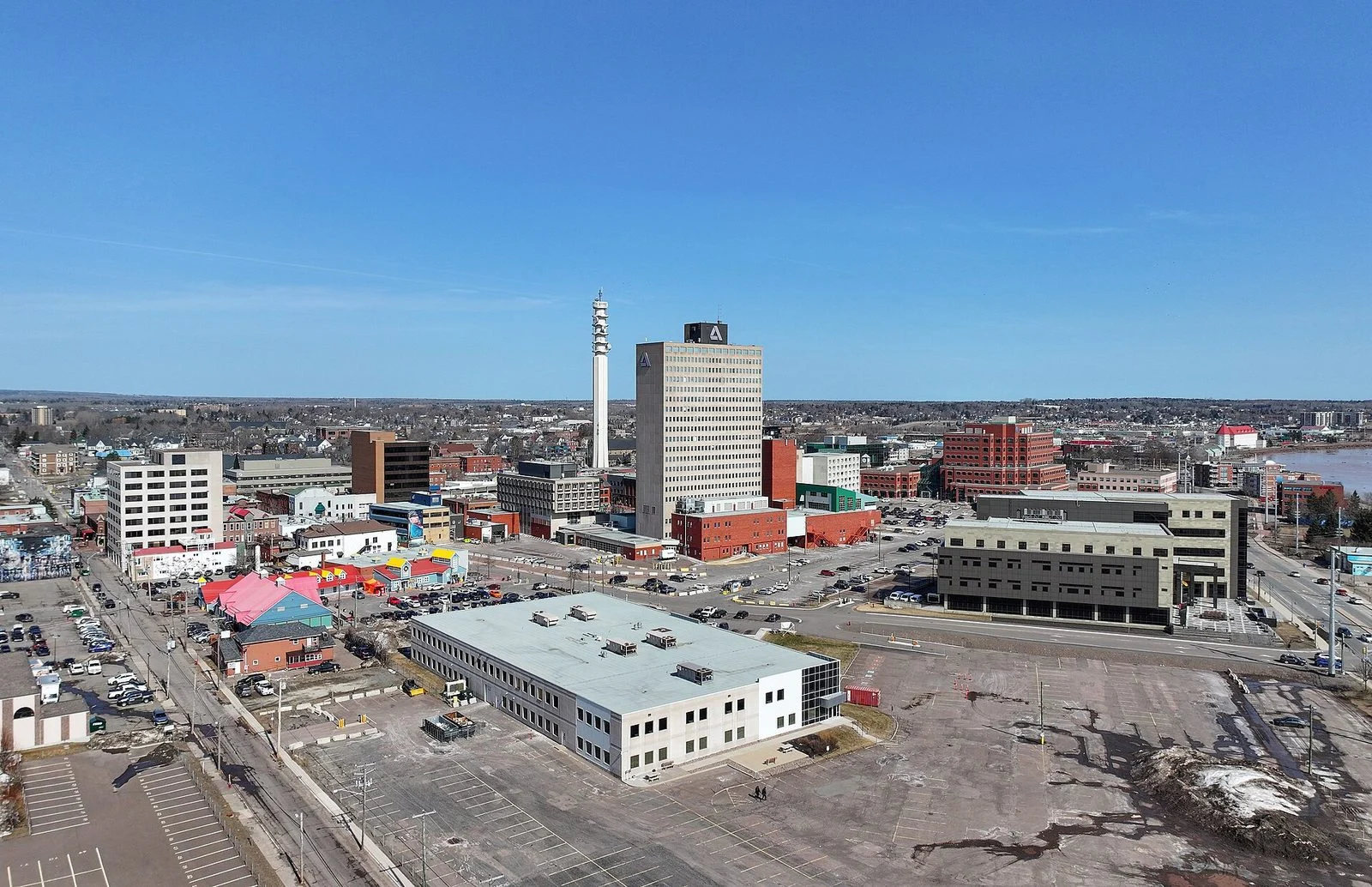
Breaking Down the New Brunswick Infrastructure Deal
The announcement came September 25 in Moncton, and the numbers are the headline: $461,442,000 flowing from Ottawa to Fredericton through the Provincial and Territorial stream of the Build Communities Strong Fund, the $51-billion program launched with the 2025 federal budget. The P&T stream itself is worth $17.2 billion over 10 years, including a $5-billion health infrastructure envelope over three years.
New Brunswick’s slice is not a blank cheque. The province must put up matching funding for eligible municipal and provincial projects, and a minimum of 20% of the federal dollars has to land in rural, northern and Indigenous communities — a detail that matters in a province where small towns often watch infrastructure money pool in the big three cities.
The housing condition is the one to watch. As part of the agreement, New Brunswick committed not to increase any fees or taxes that hinder housing supply. It’s a quiet but meaningful guardrail: federal money for homes loses its point if provincial or municipal levies eat the savings before a single shovel hits dirt.
Dumont Hospital Gets the First Project
The first project named under the deal is the Dr. Georges-L.-Dumont University Hospital — Vitalité’s largest facility, in Moncton — which gets over $11 million in federal funding to renovate about 13,800 square feet and create 12 endoscopy rooms. Endoscopy backlogs are one of the quiet bottlenecks in the province’s health system, so added capacity there should translate into faster diagnoses and shorter waits.
A further $500,000 is dedicated to planning a major redesign of the hospital’s Emergency, Oncology and Obstetrics departments. Planning money doesn’t make headlines like construction does, but anyone who has sat for hours in a packed ER waiting room understands what a redesign is worth.
“Canada and New Brunswick are making strategic investments that will help unlock new housing, strengthen post-secondary education and support modern, reliable health infrastructure,” said federal Internal Trade Minister Dominic LeBlanc at the announcement.
Premier Susan Holt framed it around care closer to home: “New Brunswickers deserve to get the right care, in the right place, when they need it… By working with our federal partners, we are building the capacity we need to deliver better care closer to home and make life more affordable for New Brunswickers.”
Related: Belledune Coal Transition 2026
Why This Money Matters Now
New Brunswick has spent the last few years catching up — population growth outrunning the infrastructure built for a smaller province. Rents climbed, wait lists stretched, and campus facilities aged. A ten-year funding horizon gives municipalities and the province something they rarely get from federal announcements: time to plan properly instead of sprinting to spend before a deadline.
The real test, as always, is delivery. Infrastructure announcements are easy; poured concrete is hard. But with matched funding, a rural and Indigenous carve-out, and a no-new-housing-levies condition, the structure of this deal gives New Brunswick a genuine shot at spending the money where it counts.
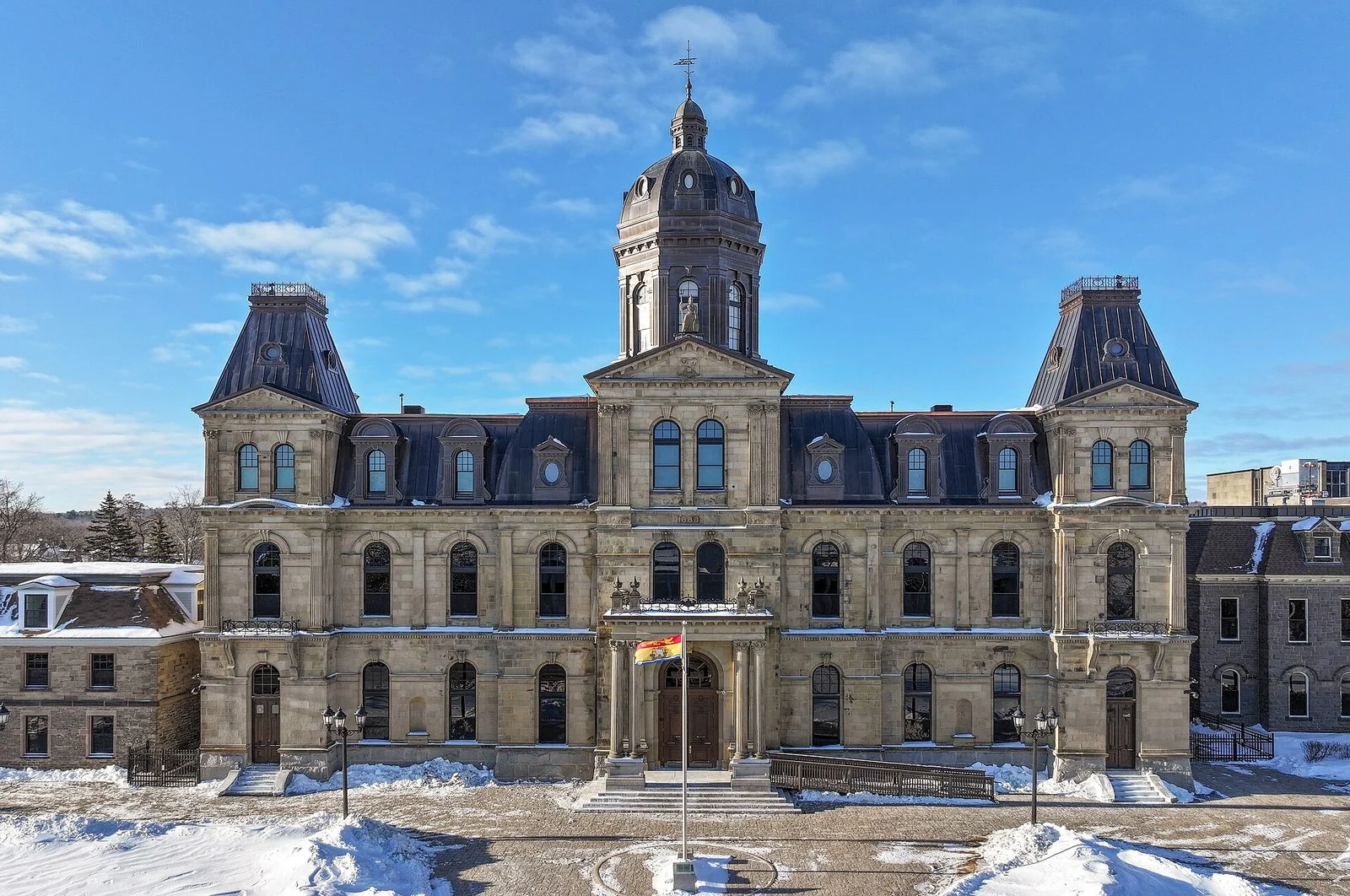
Maplestime will provide updates on the New Brunswick Infrastructure Deal as announcements are made.
Have a tip about this story? Email [email protected]
Have a correction? Email [email protected]
Which project should get funded first in your community — housing, a school upgrade, or health infrastructure? Tell us in the comments. And share this with every Canadian watching where the infrastructure billions actually go.
Enjoying Maplestime? Support independent Canadian journalism — no paywall, no corporate owners.