


Ontario labour news — Ontario Minimum Wage 2026 climbed to $17.95 an hour on Thursday, October 1, a 35-cent raise the province is calling progress while workers’ advocates are calling it pocket change in a province where a two-bedroom apartment costs more than $2,100 a month.
By Maplestime News Desk | Toronto, Ontario | October 4, 2026
Sources: OTTown.ca, Wesal TV, Memesita | Last updated: October 4, 2026

Key Takeaways
- The Ontario Minimum Wage 2026 general rate rose from $17.60 to $17.95 an hour on October 1, 2026 — a 35-cent increase tied to the 1.9% rise in the Ontario Consumer Price Index, announced April 1, 2026.
- The province says more than 700,000 workers benefit; a full-time worker (40 hours a week) earns roughly $728 more a year before tax.
- Special-category rates also rose on October 1: student wage (under 18) from $16.60 to $16.90, homeworkers from $19.35 to $19.70, and hunting and fishing guides from $88.05 to $89.75 a day (under five hours) and $176.15 to $179.50 a day (five or more hours).
- Ontario has indexed the minimum wage to inflation annually since 2018, climbing from $14 an hour to $17.95. About 35% of minimum-wage earners work in retail and 24% in accommodation and food services.
- Workers’ Action Centre executive director Deena Ladd said a full-time worker at the new rate still cannot cover an average two-bedroom apartment renting for more than $2,100 a month.
- NDP labour critic Jessica Bell (University-Rosedale) is calling for a clear provincial path toward a $20 hourly wage.
The Ontario Minimum Wage 2026 Numbers
The Ontario Minimum Wage 2026 story is really a math story. A 35-cent hourly increase sounds small because it is small: $14 a week for a full-time worker, about $728 over a year before taxes. The province tied it to inflation, and Labour Minister Trevor Jones framed it as the responsible play in a tough economy.
“Ontario’s workforce is our greatest advantage, and their hard work, skill and dedication keep our province moving forward every day,” Jones said. “As families and workers face higher costs and businesses navigate changing trade environments, today’s minimum wage increase will help workers keep pace with global economic uncertainty while maintaining a predictable approach that businesses can plan for.”
For the Ontario Minimum Wage 2026, predictability is the key word. Ontario’s annual inflation indexing, in place since 2018, has carried the floor from $14 to $17.95 without the political fights other provinces get. The question is whether predictability is enough when rents keep running ahead of the index.
Related: Rent Comparison: Winnipeg vs Toronto vs Vancouver 2026
Two Jobs, One Uber Shift: Saad Noor’s Math
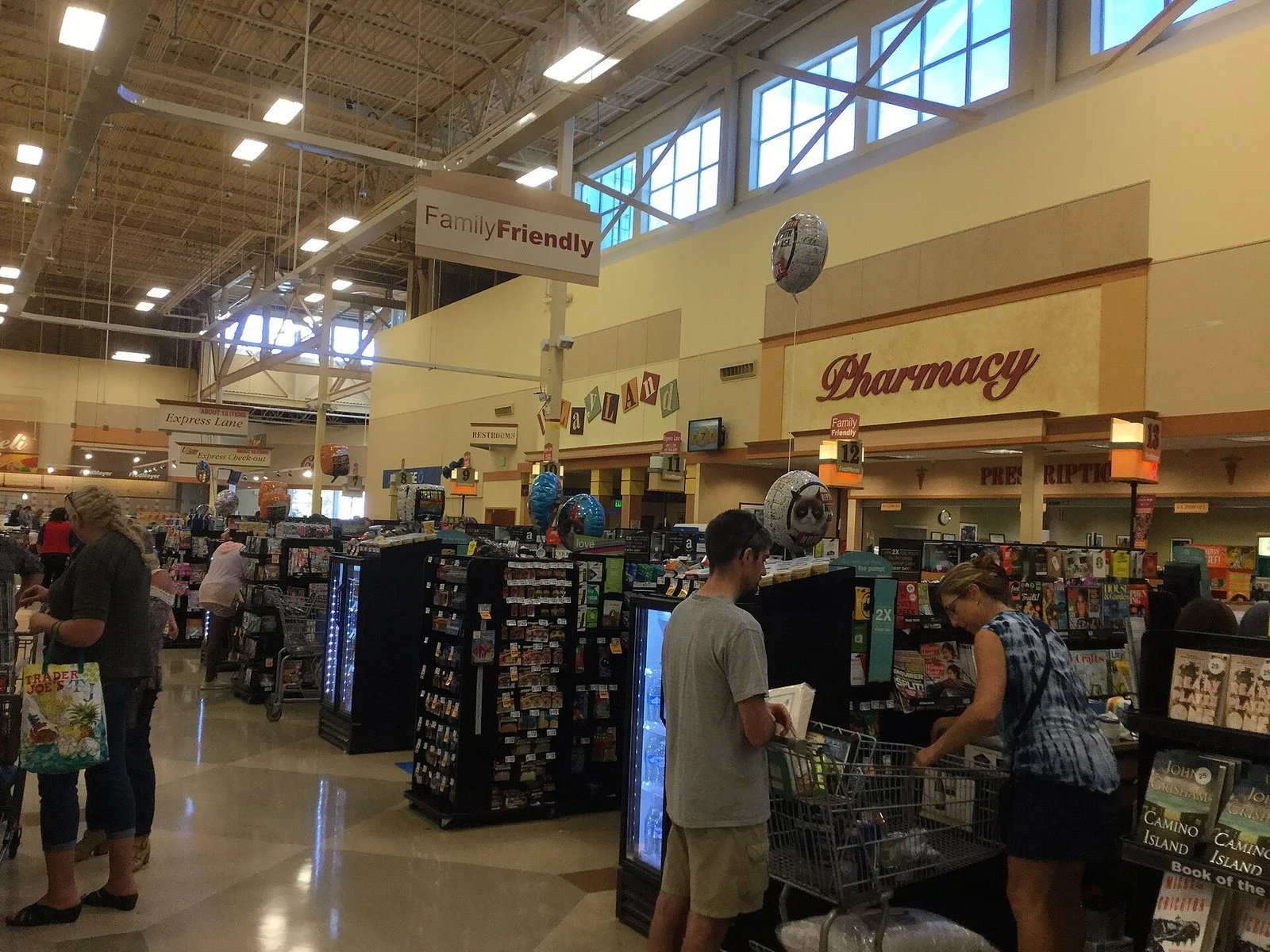
Meet Saad Noor, a Durham Region retail worker at a Real Canadian Superstore. Two years out of high school, he works two jobs and drives Uber roughly five hours a day to support his parents. He told Wesal TV the old $17.60 rate made saving for college impossible, and he wants at least $22 an hour.
Noor is the human face of the Ontario Minimum Wage 2026 debate. More than 700,000 workers got this raise, and many of them look like him: young, juggling multiple paycheques, and doing the math every month on whether a 35-cent bump covers anything real. For someone driving Uber five hours a day on top of two jobs, $14 a week is not a raise. It is a rounding error.
Advocates Say 35 Cents Misses the Mark
Deena Ladd, executive director of the Workers’ Action Centre, did not mince words. “The average 2-bedroom apartment in this province still costs more than $2,100 a month,” she said. “And even with the additional 35 cents, a person working full time at that rate would not have enough money to cover it.”
She added: “Even if inflation has stabilized, that doesn’t mean prices are coming down. It means already high prices continue to rise, but not as fast.” That is the crux of the criticism of the Ontario Minimum Wage 2026 increase. Indexing to inflation protects the wage from falling behind, but it does not close a gap that has been widening for years.

Queen’s Park’s Answer
For now, the government’s answer is the formula: inflation-linked, predictable, no surprises for business. Jessica Bell and the labour movement want a destination, not just a direction — a clear provincial path toward $20 an hour. The Ontario Minimum Wage 2026 raise of 35 cents is a long way from that.
Here is the honest version: the raise helps, but it helps least the people who need it most. Retail and food-service workers — nearly 60% of all minimum-wage earners in Ontario — are the ones most likely to see the extra $14 a week from the Ontario Minimum Wage 2026 increase swallowed by rent, groceries and transit before it ever becomes savings.
Maplestime will provide updates from the Ontario minimum wage as announcements are made.
Have a tip about the Ontario minimum wage? Email [email protected]
Have a correction? Email [email protected]
Is $17.95 a fair day’s pay for Ontario’s hardest jobs — or does the minimum wage need a $20 next to it? Tell us in the comments. And share this with every Canadian earning minimum wage this weekend.
Enjoying Maplestime? Support independent Canadian journalism — no paywall, no corporate owners.