


Canadian business news — a New Brunswick Biogas plant in Penobsquis has cleared its provincial environmental assessment, and it will turn 135,000 tonnes a year of dairy farm manure and aquaculture fish waste into pipeline-grade natural gas. The gas stays in New Brunswick, the emissions math is striking — 40,000 tonnes of CO2e cut annually — and the approval landed roughly five months after the application was filed. That is a fast turnaround by Canadian standards.
By Maplestime News Desk | Penobsquis, New Brunswick | September 23, 2026
Sources: Bioenergy News, Government of New Brunswick — EIA Registration | Last updated: September 23, 2026
Key Takeaways
- Bio Voltex has received provincial environmental impact assessment approval for the biogas plant off Highway 114 in Penobsquis, southern New Brunswick
- The plant will process 135,000 tonnes of organic waste annually and produce 200,000 gigajoules of pipeline-grade natural gas
- The gas stays in New Brunswick and will be sold to a single buyer for electricity generation; NB Power confirms it is in discussions with the company
- The approval carries 17 conditions covering odour, air, water, noise, well-protection, and a greenhouse-gas report after year one
- Seven supply contracts are signed with farms and aquaculture companies across N.B.; estimated emissions reduction of 40,000 tonnes of CO2e per year
- Construction starts late October 2026 and is expected to take about one year
From Farm Waste to Pipeline Gas
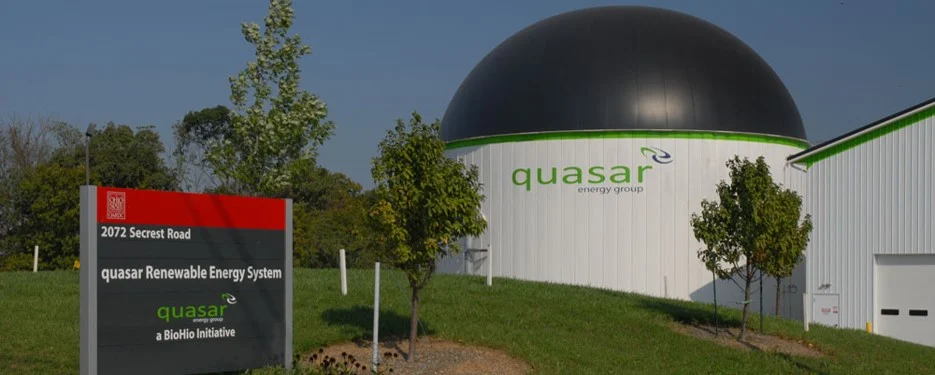
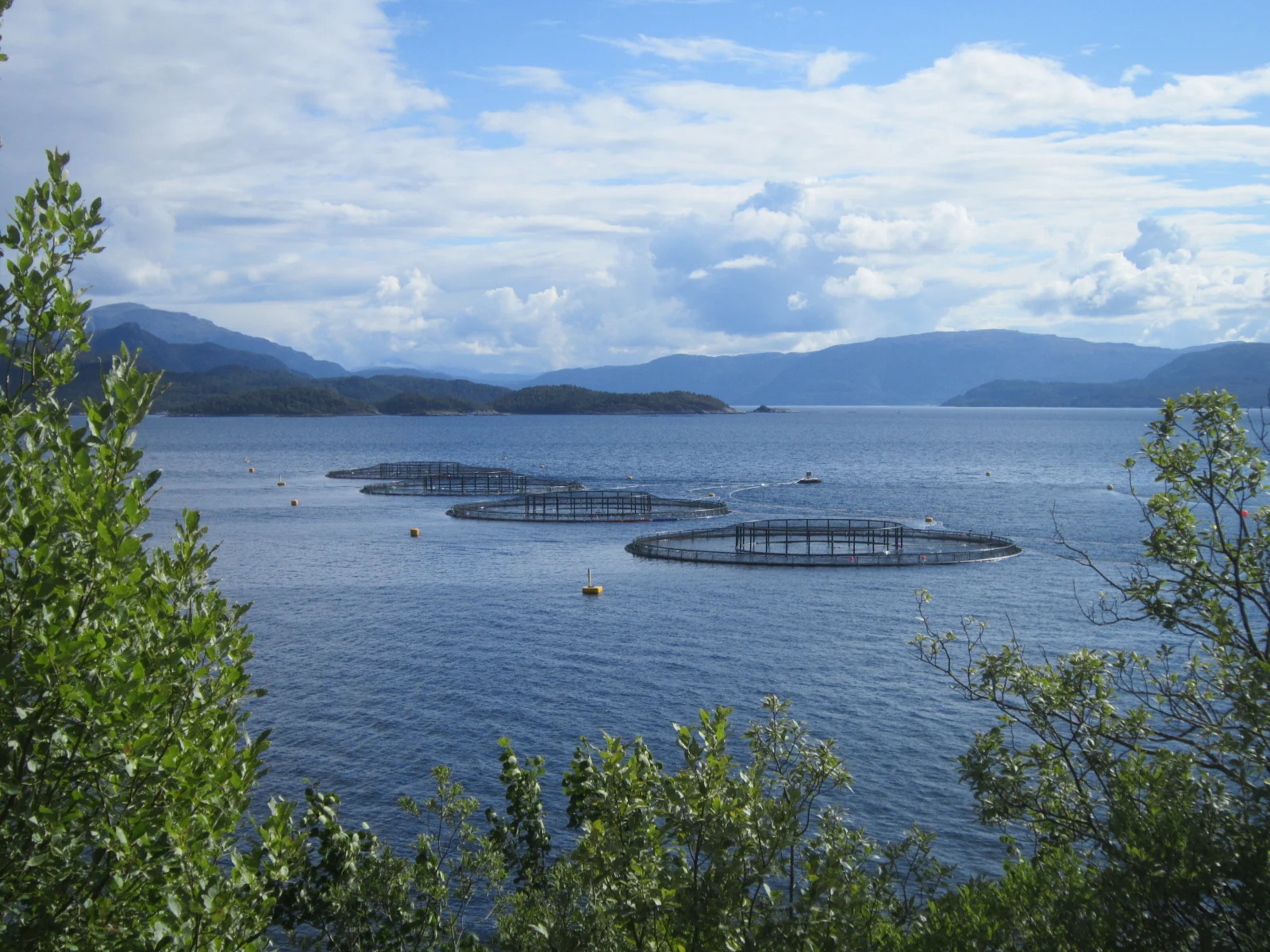
The concept is straightforward. Organic waste — dairy manure and fish processing waste from New Brunswick aquaculture — goes into the plant’s digesters, where it is converted into pipeline-grade natural gas. What would otherwise rot in lagoons and landfills, releasing methane, becomes usable energy.
The scale is serious for a province New Brunswick’s size: 135,000 tonnes of feedstock a year, yielding 200,000 gigajoules of gas. Every gigajoule produced locally is one New Brunswick doesn’t have to import.
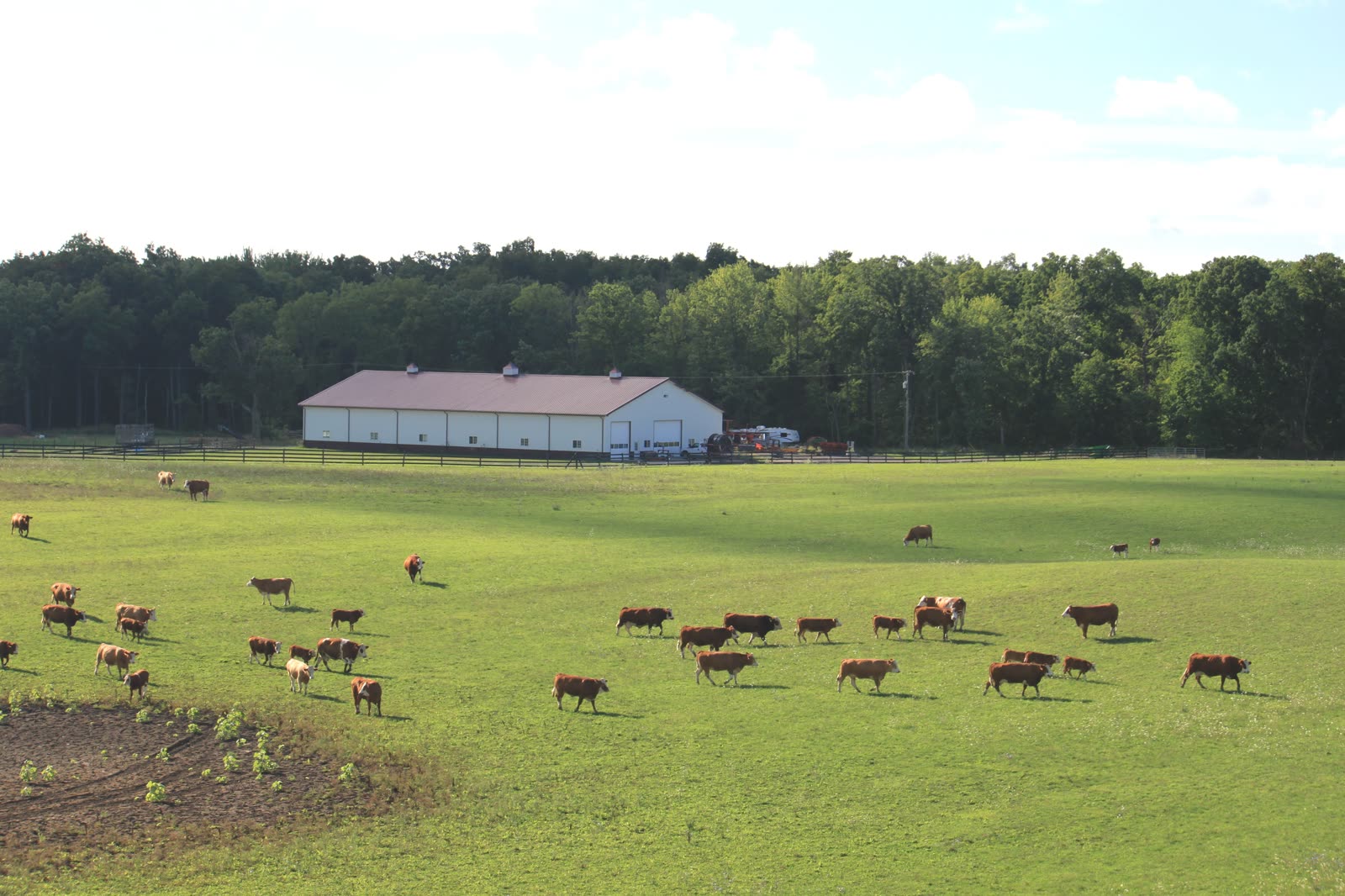
“It’s an exciting project. This one’s particularly exciting because it benefits everyone involved,” said Scott Walton, co-founder of Bio Voltex, in a Brunswick News interview. The company has signed seven supply contracts with farms and aquaculture operations across the province, giving those producers a disposal answer and the project a dependable feedstock stream.
Why the New Brunswick Biogas Project Matters
The headline number is 40,000 tonnes of CO2e avoided annually. That reduction comes from two directions: capturing methane that would otherwise escape from decomposing manure and fish waste, and displacing conventional natural gas in electricity generation.
The destination for the gas is electricity. It will be sold to a single buyer for power generation, and NB Power confirms it is in discussions with Bio Voltex — partly to offset emissions from its separate Tantramar gas plant. In other words, this is New Brunswick’s grid getting a small but real renewable gas contribution, built from the province’s own waste.
Then there’s the speed. Roughly five months from application to environmental approval is quick by Canadian standards, where major energy projects often spend years in assessment. For a project of this scale, that turnaround suggests the province wants renewable gas capacity built fast.
17 Conditions, and Indigenous Engagement Completed
Approval doesn’t mean a blank cheque. The environmental impact assessment approval carries 17 conditions covering odour, air quality, water, noise, and well-protection, plus a greenhouse-gas report after the first year of operation.
Indigenous engagement was completed as part of the process: the Mi’kmaw group MTI assessed low impact on Mi’kmaw rights, and the Wolastoqey Nation indicated no current concerns.
What’s Next
Construction starts in late October 2026 and is expected to take about one year — meaning the plant could be digesting New Brunswick farm and fish waste by late 2027.
The model here is worth watching: take a disposal problem, pay local producers for their waste, and return renewable gas to the same province’s grid. If Bio Voltex delivers on its numbers, expect other Atlantic provinces to take notes.
Maplestime will provide updates from the Penobsquis biogas project as announcements are made through construction in 2026 and 2027.
Have a tip about energy projects in New Brunswick? Email [email protected]
Have a correction? Email [email protected]
Is turning farm manure and fish waste into pipeline gas the kind of made-in-New Brunswick energy play Ottawa should be backing nationwide — or just a one-off local win? Tell us in the comments. And share this with every Canadian following the energy transition and the Atlantic economy this week.
Enjoying Maplestime? Support independent Canadian journalism — no paywall, no corporate owners.