


New Brunswick energy news — a new survey on the New Brunswick Natural Gas Review is asking residents what they think of the decade-old moratorium on natural gas development, and the answers will feed directly into a five-month government review that could reopen the door to fracking.
By Maplestime News Desk | Fredericton, New Brunswick | October 6, 2026
Sources: Government of New Brunswick, The Canadian Press via BOE Report | Last updated: October 6, 2026
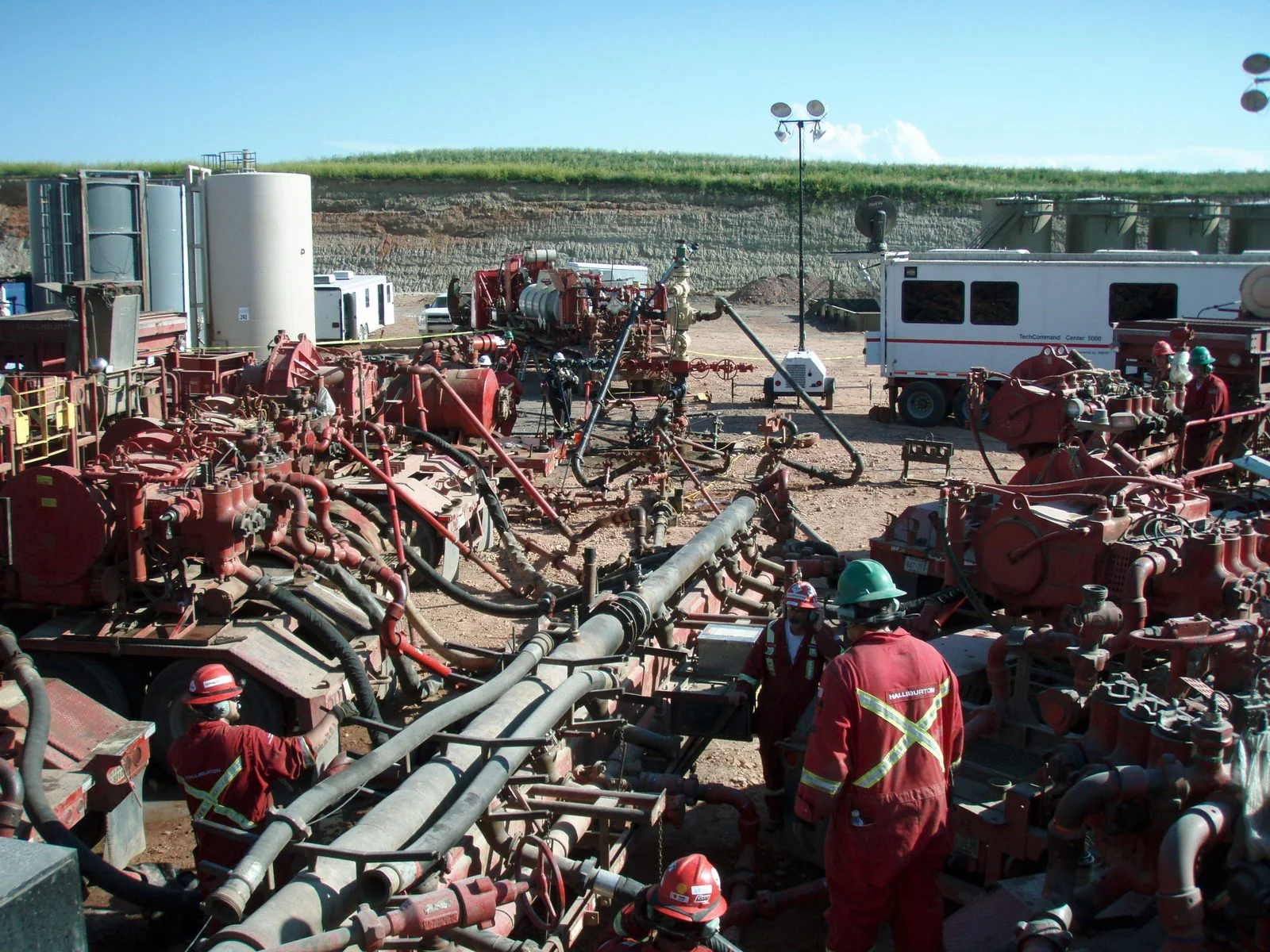
Key Takeaways
- The N.B. Department of Natural Resources launched an online public survey on Oct. 5 seeking views on the province’s review of natural gas development.
- The survey stays open until Friday, Oct. 23, on the government’s natural gas public consultation webpage; written submissions can also go to [email protected].
- The five-month New Brunswick Natural Gas Review will test whether the conditions behind the 2014 moratorium on hydraulic fracturing still reflect today’s science, technology, markets and regulations.
- The province sits on an estimated 77.9 trillion cubic feet of recoverable natural gas — potentially worth hundreds of billions of dollars.
- Environmental groups are pushing back: Sierra Club Canada calls the review reckless, while the N.B. Anti-Shale Gas Alliance says the last decade has strengthened the case for keeping the moratorium.
What the New Brunswick Natural Gas Review Covers
The New Brunswick Natural Gas Review is structured around five questions. First: First Nations rights, interests and priorities around natural gas development. Second: the actual size and nature of the province’s gas resource. Third: the science, the technology and the environmental impacts. Fourth: the economic upside — royalties, jobs, investment. Fifth: whether the public actually supports any of this.
That fifth question is where the new survey comes in. The province wants residents to weigh in directly on whether the 2014 moratorium’s conditions still hold up against current science, technology, market conditions and regulatory best practices. It is a genuine public-input exercise, not a rubber stamp — or at least, that is how the government is selling it. Critics will be watching the process closely to see how much weight public responses carry against the economic argument.
Why Premier Holt Is Doing This Now
Premier Susan Holt launched the five-month review on Aug. 26, and her reasoning was bluntly economic: Canada’s trade tensions with the United States and the need for economic stability. Holt previously supported the fracking ban, which makes this a notable reversal — a premier willing to revisit her own past position when the trade war rewrites the province’s economic math.
The numbers driving the rethink are hard to ignore. New Brunswick holds an estimated 77.9 trillion cubic feet of recoverable natural gas, a figure cited by The Canadian Press from government data. That is a resource worth potentially hundreds of billions of dollars, sitting under a province that has watched the United States weaponize trade. The argument from the government side is straightforward: in a trade war, leaving that much value in the ground starts to look like a luxury.
Related: Quebec Fracking Debate
The Safety Assurances — and the 2019 Exemption
Natural Resources Minister John Herron has drawn one line clearly: natural gas extraction will not proceed without safety assurances. That is a firm condition, but critics note it leaves the definition of “safe” entirely in the government’s hands. The review’s third pillar — science, technology and environmental impacts — will be where that definition gets written.
Worth remembering: the moratorium already has one hole in it. A 2019 exemption permits small-scale natural gas extraction in one part of the province. Whatever the New Brunswick Natural Gas Review concludes, the province is not starting from zero — it is starting from a policy that already bends in at least one place. The question is whether the exemption becomes the thin end of the wedge.
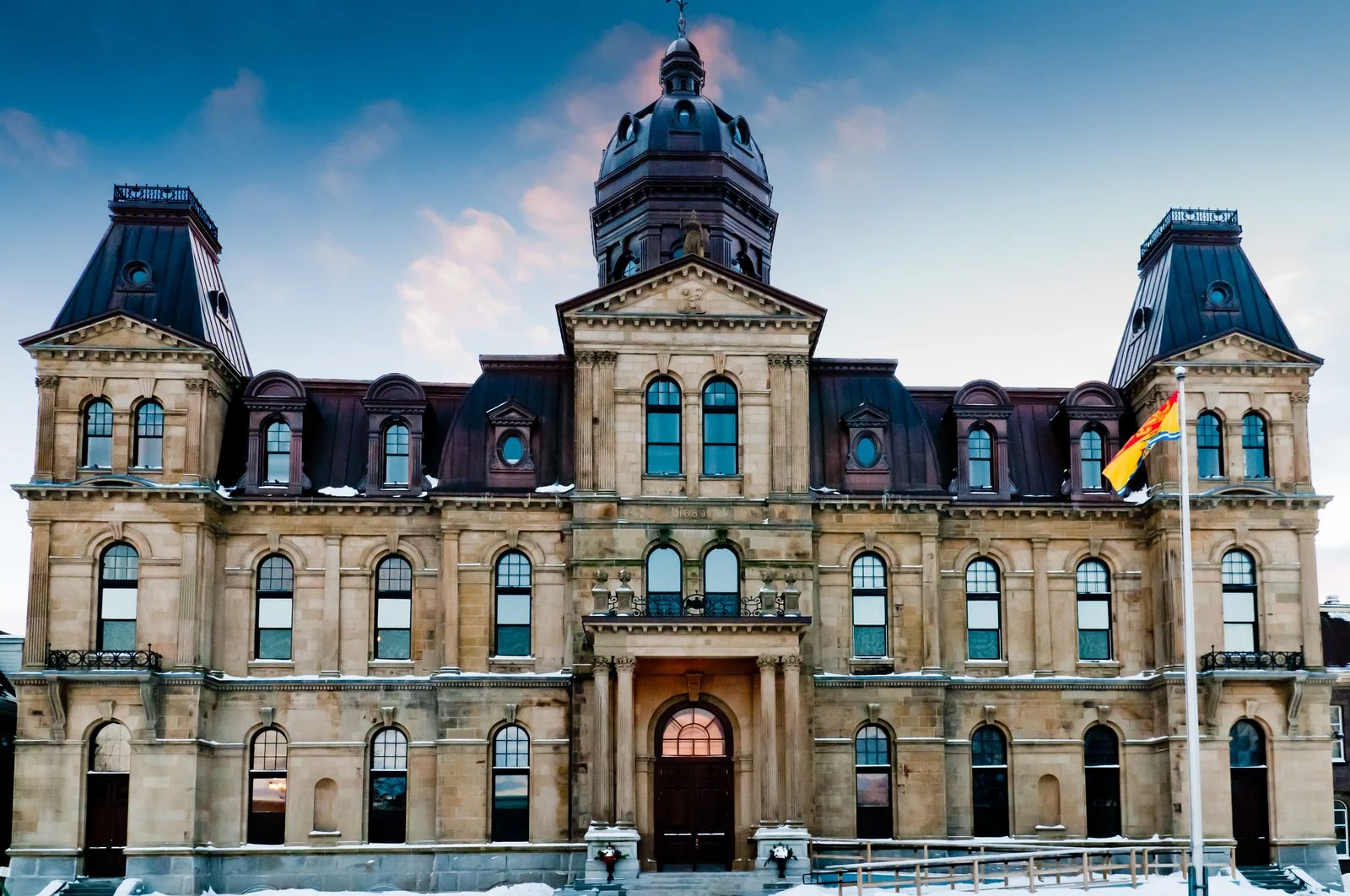
Environmental Groups Push Back
The opposition is organized and unimpressed. Sierra Club Canada has called the review reckless. The N.B. Anti-Shale Gas Alliance argues that the last decade has strengthened the case for the moratorium, not weakened it — pointing to well-water usage figures and drought concerns that have only sharpened since 2014. Their position: the science has moved toward more caution, and a review driven by trade-war anxiety is the wrong vehicle for revisiting an environmental safeguard.
This is the collision the review cannot avoid. On one side, hundreds of billions of dollars in gas and a premier who says economic stability demands a second look. On the other, a decade of community opposition and a drought record that keeps getting worse. The survey, closing October 23, is the first measure of where New Brunswickers actually stand.
How to Have Your Say Before Oct. 23
The survey is open until Friday, October 23, through the government’s natural gas public consultation webpage. For those who prefer to write at length, submissions go to [email protected]. Whatever the final recommendation of the New Brunswick Natural Gas Review, this consultation window is the moment for residents — including First Nations communities whose rights are one of the five review pillars — to put their views on the official record.
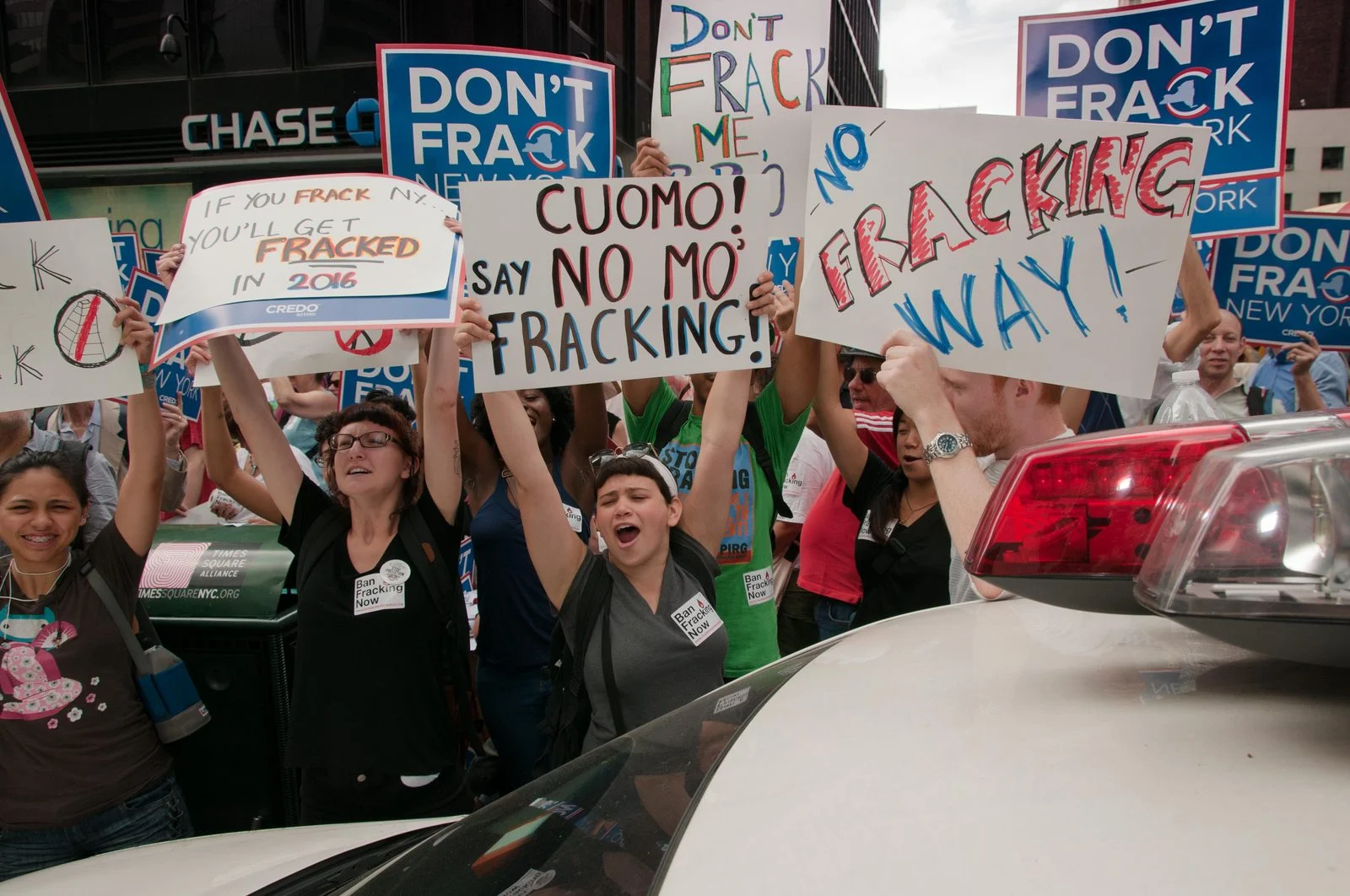
The stakes are genuinely large. If the New Brunswick Natural Gas Review concludes the moratorium’s conditions no longer hold, New Brunswick could become one of the most significant natural gas stories in the country — and one of the most contested. If it concludes the ban still makes sense, the province walks away from a resource worth hundreds of billions. There is no outcome here that satisfies everyone. That is exactly why the survey exists, and why October 23 matters.
Maplestime will provide updates from the New Brunswick Natural Gas Review as announcements are made.
Have a tip about the New Brunswick Natural Gas Review? Email [email protected]
Have a correction? Email [email protected]
Should New Brunswick lift the fracking moratorium and cash in on its 77.9 trillion cubic feet of gas — or is the drought record proof the ban must stay? Tell us in the comments. And share this with every Canadian debating what the trade war should cost the environment.
Enjoying Maplestime? Support independent Canadian journalism — no paywall, no corporate owners.