


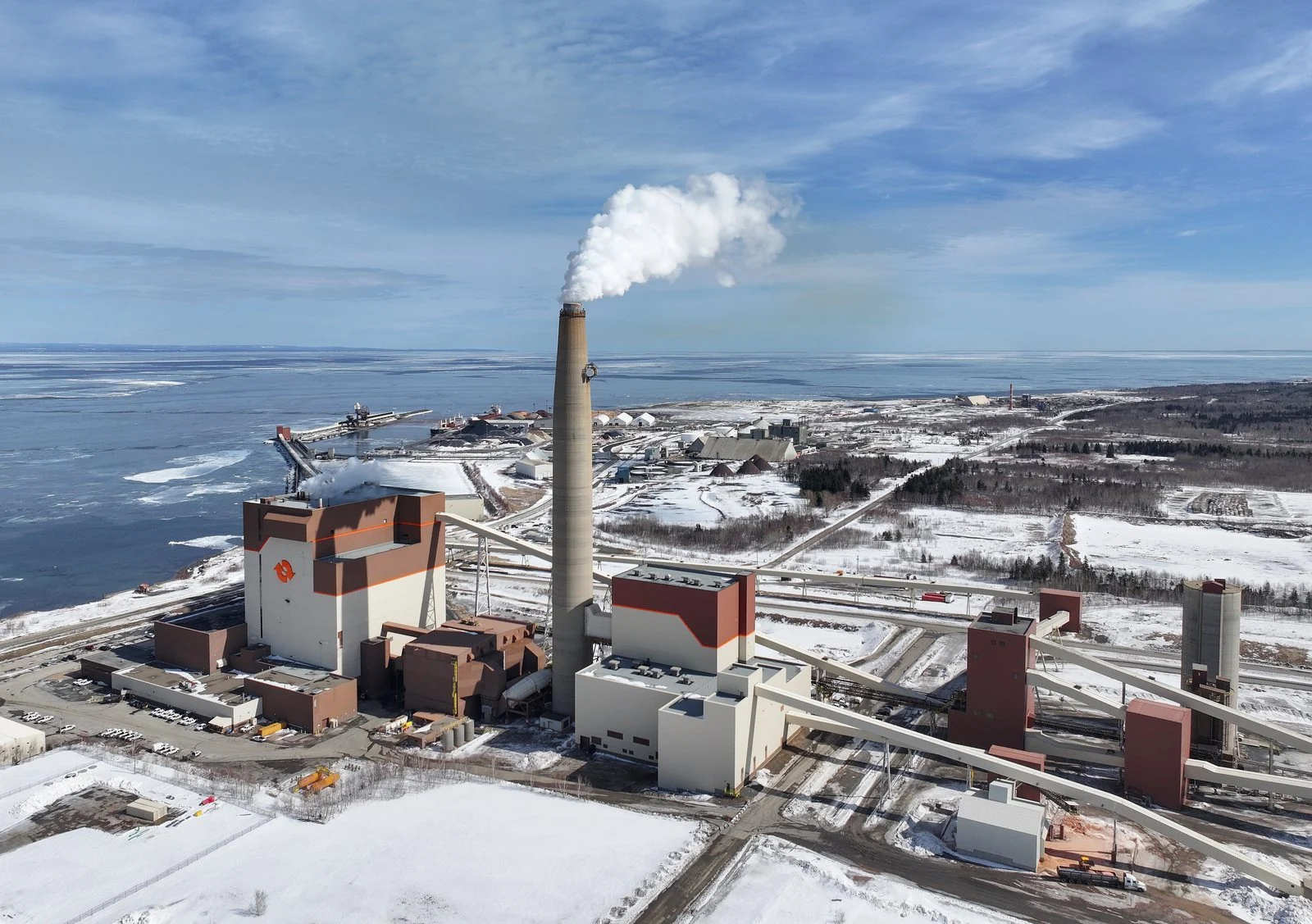
Canadian energy news — Canada’s first Transportable Nuclear Plant is headed for Belledune, N.B. Ontario and New Brunswick announced Monday, Oct. 5, that Ontario-based BWXT Canada has been selected to fabricate and deploy the plant using BWXT’s BANR microreactor technology — an Indigenous-led pilot that could put factory-built reactors across the North and up for export around the world.
By Maplestime News Desk | Toronto, Ontario | October 6, 2026
Sources: Government of Ontario, Business Wire | Last updated: October 6, 2026
Key Takeaways
- Ontario and New Brunswick announced Oct. 5, 2026, that BWXT Canada will fabricate and deploy Canada’s first Transportable Nuclear Power Plant (TNPP) at Belledune, N.B., using BANR microreactor technology.
- An Indigenous-led partnership — Prodigy Clean Energy, Pabineau First Nation and Eel River Bar First Nation — will own the pilot, sited on the First Nations’ traditional territory.
- The Transportable Nuclear Plant is rated up to 50 MW of electric power — enough for up to 40,000 homes — with 150+ jobs during development and about 40 long-term positions.
- New Brunswick has signed a Letter of Intent to offtake the electricity and notified Natural Resources Canada of its support to advance the project to the federal Major Projects Office.
- The pilot would validate a factory-built TNPP design intended for mass deployment across Canada’s North and for global export.
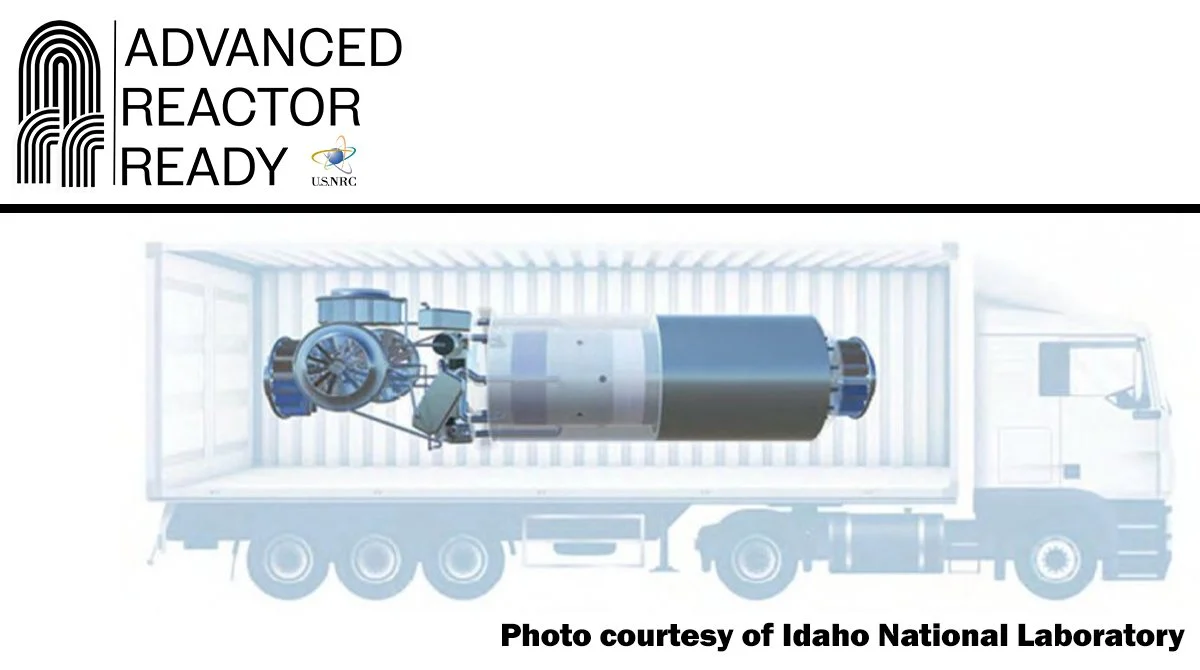
The Transportable Nuclear Plant: how the BANR microreactor works
This is the core of the story, and it’s refreshingly concrete. The BANR is a high-temperature gas-cooled reactor rated at 75 MW thermal and 22 MWe, running on high-assay low-enriched uranium in TRISO fuel form with passive cooling — the kind of design that shuts itself down safely without a human at the controls. The whole point of a Transportable Nuclear Plant is that the reactor is factory-built, shipped to site, and installed there, rather than poured in place over a decade of construction. This is the model that would let isolated communities and industrial sites get power without a decade-long mega-project.
Indigenous-Led Ownership On Traditional Territory
This isn’t a government-owns-everything announcement. The pilot will be owned by an Indigenous-led partnership of Prodigy Clean Energy, Pabineau First Nation and Eel River Bar First Nation, and it will sit on the First Nations’ traditional territory. The joint announcement came from Ontario Minister of Energy and Mines Stephen Lecce and New Brunswick’s Deputy Premier and Energy Minister René Legacy — two provincial heavyweights signing off together.
“We’re building on that legacy and proud to announce that Ontario’s nuclear supply chain is being harnessed to build Canada and the G7’s first commercial Transportable Nuclear Power Plant,” Lecce said. The message is clear: Ontario builds it, New Brunswick hosts it, and Indigenous partners own it.
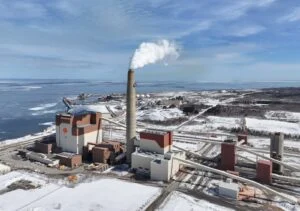
Related: Belledune Coal Transition 2026: New Brunswick’s Energy Future After Coal
Ottawa’s Blessing And The Path To Approval
The political plumbing is already being laid. The Government of New Brunswick has signed a Letter of Intent to offtake the electricity from the plant — meaning there’s a buyer lined up before the first component is shipped — and the province has formally notified Natural Resources Canada of its support for advancing the project to the federal Major Projects Office. That federal fast-track channel matters: it’s the difference between a project that crawls through a decade of review and one that actually gets built in the in-service target of the early 2030s.
The Bigger Bet: Northern Deployment And Export
Belledune is the proof of concept. The real prize is the model: validate a factory-built, Transportable Nuclear Plant design once, then mass-deploy it across Canada’s North — where diesel generators still do the heavy lifting in remote communities — and sell it to the rest of the world. BWXT is thinking exactly along those lines. “We are truly expanding BWXT’s horizons for future customers while reinforcing Canada’s role at the forefront of innovative, deployable advanced nuclear energy solutions,” said John MacQuarrie, the company’s vice-president for microreactors and advanced energy systems.
With 150-plus jobs on deck during development and around 40 long-term positions at the site, Belledune’s stake is immediate. But if the pilot validates, the ripple effect is national — and the G7 bragging rights are Ontario’s to lose.
Maplestime will provide updates from Canada’s first Transportable Nuclear Plant as announcements are made.
Have a tip about Canada’s first Transportable Nuclear Plant? Email [email protected]
Have a correction? Email [email protected]
Is a factory-built reactor really the answer for power-starved northern communities — or another shiny technology promise that dies in a regulatory waiting room? Tell us in the comments. And share this with every Canadian who cares about energy, jobs and who owns the power grid of the future.
Enjoying Maplestime? Support independent Canadian journalism — no paywall, no corporate owners.