

Nova Scotia wildfire news: the 2026 wildfire season Nova Scotia just closed was the turnaround firefighters pray for. Crews handled 114 fires and 1,521 hectares burned, a small fraction of the 8,114 hectares scorched across the province in 2025.
By Maplestime Environment Desk | Nova Scotia, Canada | October 23, 2026
Sources: Province of Nova Scotia | Einpresswire | Last updated: October 23, 2026
Key Takeaways
- Crews responded to 114 wildfires during the March 15 to October 15 season, down from 148 in 2025.
- Burned area during the 2026 wildfire season Nova Scotia just wrapped fell to 1,521 hectares from 8,114 hectares a year earlier, a drop of roughly 81 percent.
- The Mooseland Road fire in Halifax County was the season’s largest at 1,444 hectares, accounting for nearly all of the burned area.
- The province credits investments in aircraft, equipment and dedicated crews, along with heavy late-season rainfall.
- The BurnSafe map will resume daily burn-restriction updates when the 2027 season begins.
Inside the 2026 wildfire season Nova Scotia Just Closed
Nova Scotia officially wrapped its wildfire season on October 22, and the final tally tells a story the province has been working toward for years. After a 2025 season that burned 8,114 hectares across 148 fires, the 2026 wildfire season Nova Scotia reported 114 fires and 1,521 hectares. That is fewer fires and roughly one-fifth of the damage.
The season did not start gently. By mid-July, the province had logged more than twice as many fires as at the same point in 2025, and for a while it looked like another punishing year. Then heavier late-season rainfall moved in and the situation eased. The government’s message is that preparation met luck: the rain helped, but so did the money.
Related: Spaceport Nova Scotia ISAR Handover 2026: Atlantic Canada’s Space Ambitions Take Off
The Mooseland Road Fire in Halifax County
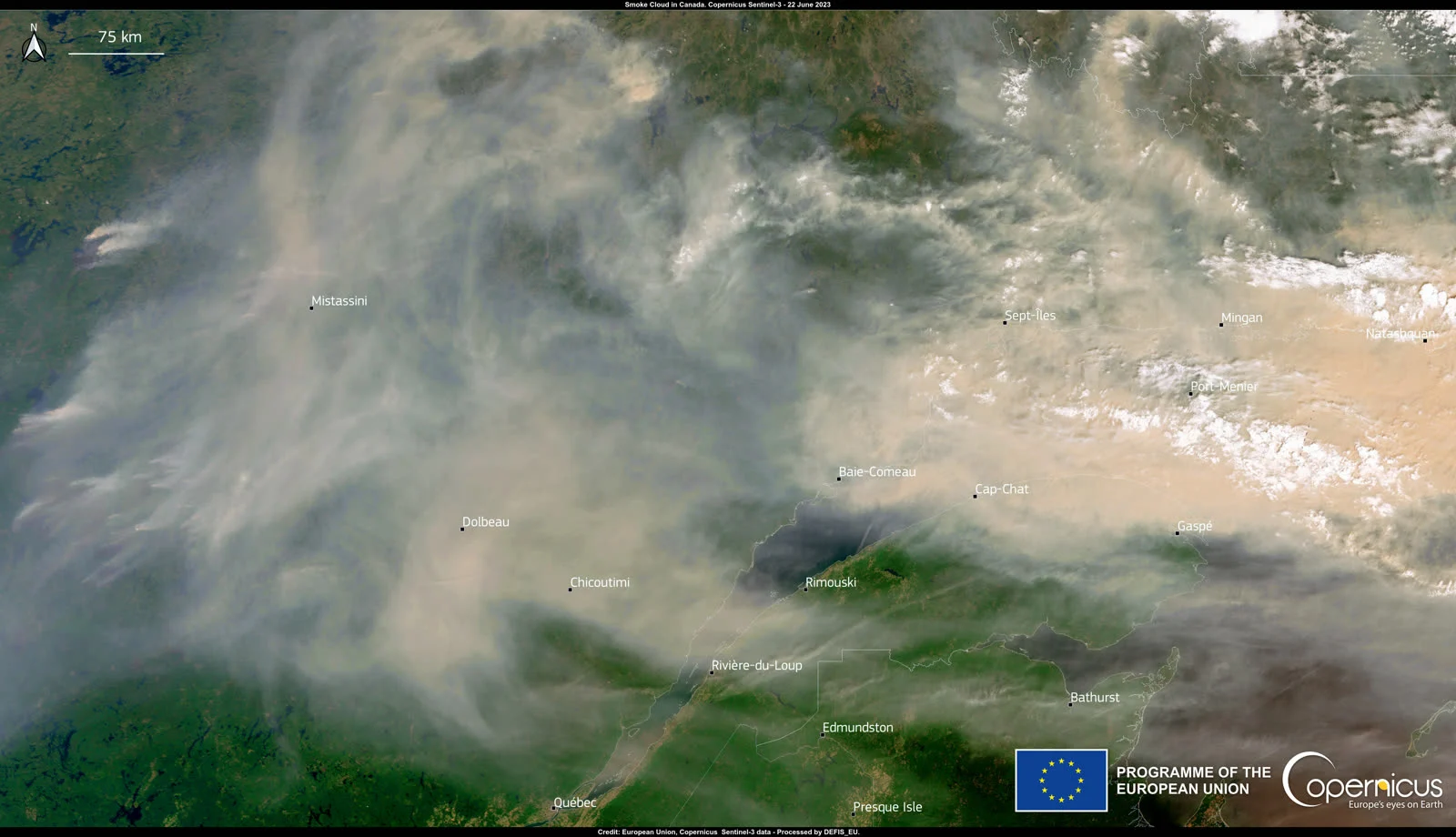
One fire dominated the entire season’s numbers. The Mooseland Road fire in Halifax County burned 1,444 hectares, which means a single incident accounted for about 95 percent of all the land burned in the 2026 wildfire season Nova Scotia recorded. Strip that fire out and the province’s fire crews had an almost quiet year.
That concentration is worth noting. When nearly all the damage comes from one fire, it underlines how much of wildfire response comes down to the first hours of the worst day, not the average day.
Aircraft, Equipment and the People Behind Them
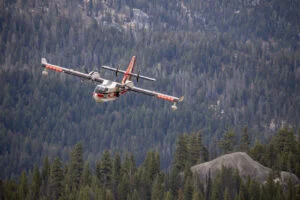
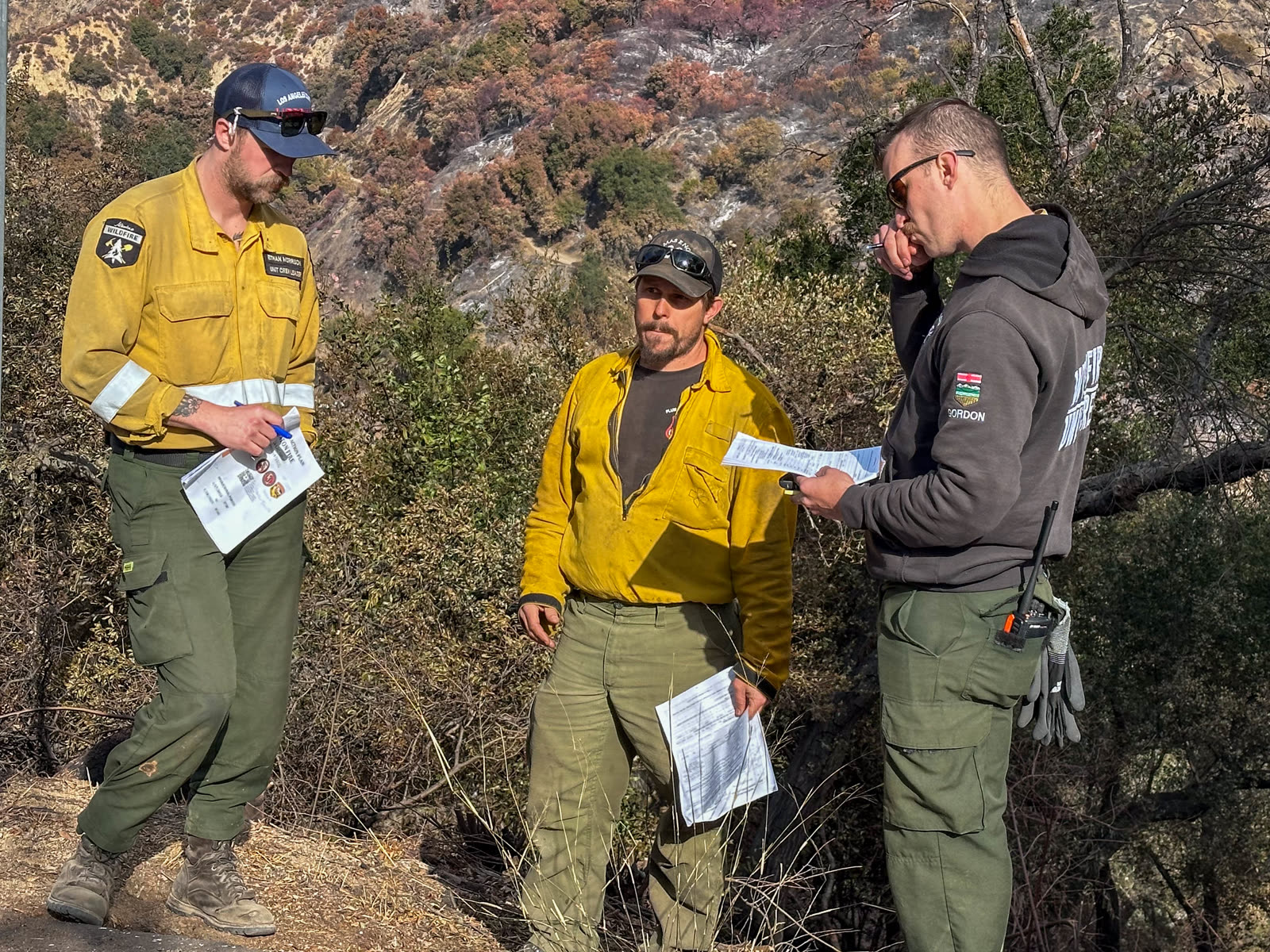
Premier Tim Houston framed the result as a return on investment. “When wildfire threatens a community, Nova Scotians expect us to be ready… it is the people behind that equipment who make the difference,” he said, pointing to the province’s investments in aircraft, equipment and dedicated crews.
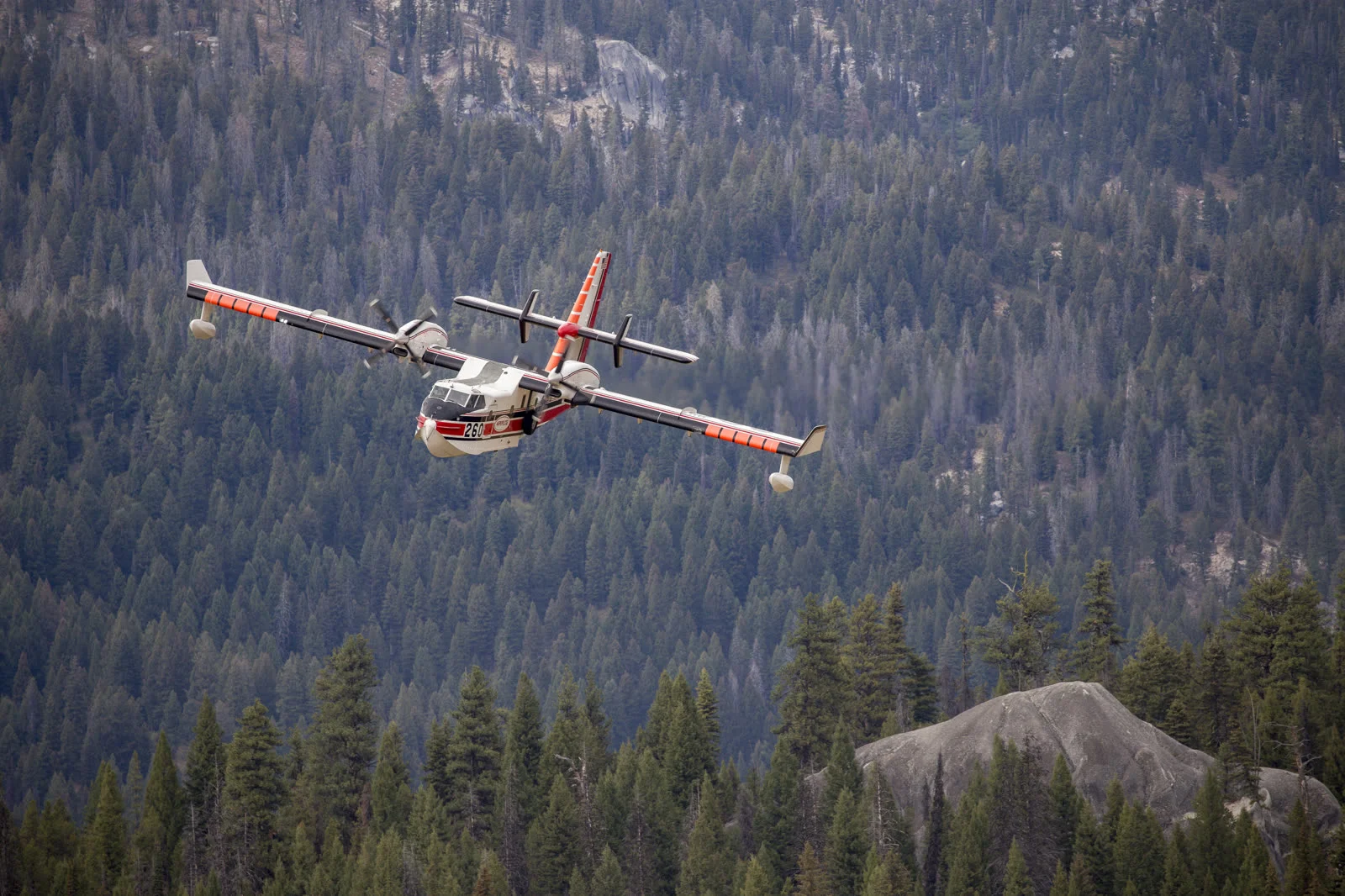
Natural Resources Minister Tory Rushton credited the expanded air fleet and public compliance with daily burn restrictions. The BurnSafe map, which publishes daily burning conditions during fire season, was a central tool in that effort. It goes dark now until the 2027 season begins, when daily updates resume.
What 2027 Looks Like
The 2026 wildfire season Nova Scotia just closed ended with good numbers, but the province knows the real test is a dry year. The investments in aircraft and crews stay in place either way. The question heading into 2027 is whether the province keeps funding the fleet and the people through a quiet season, or lets readiness slip the moment the headlines fade.

Maplestime will provide updates from Nova Scotia’s wildfire response as announcements are made.
Have a tip about Nova Scotia’s wildfire season? Email [email protected]
Have a correction? Email [email protected]
Was 2026 proof that Nova Scotia’s wildfire investments are finally paying off, or did the province just get lucky with late-season rain? Tell us in the comments. And share this with every Canadian who watched the smoke roll in this fire season.
Enjoying Maplestime? Support independent Canadian journalism — no paywall, no corporate owners.