




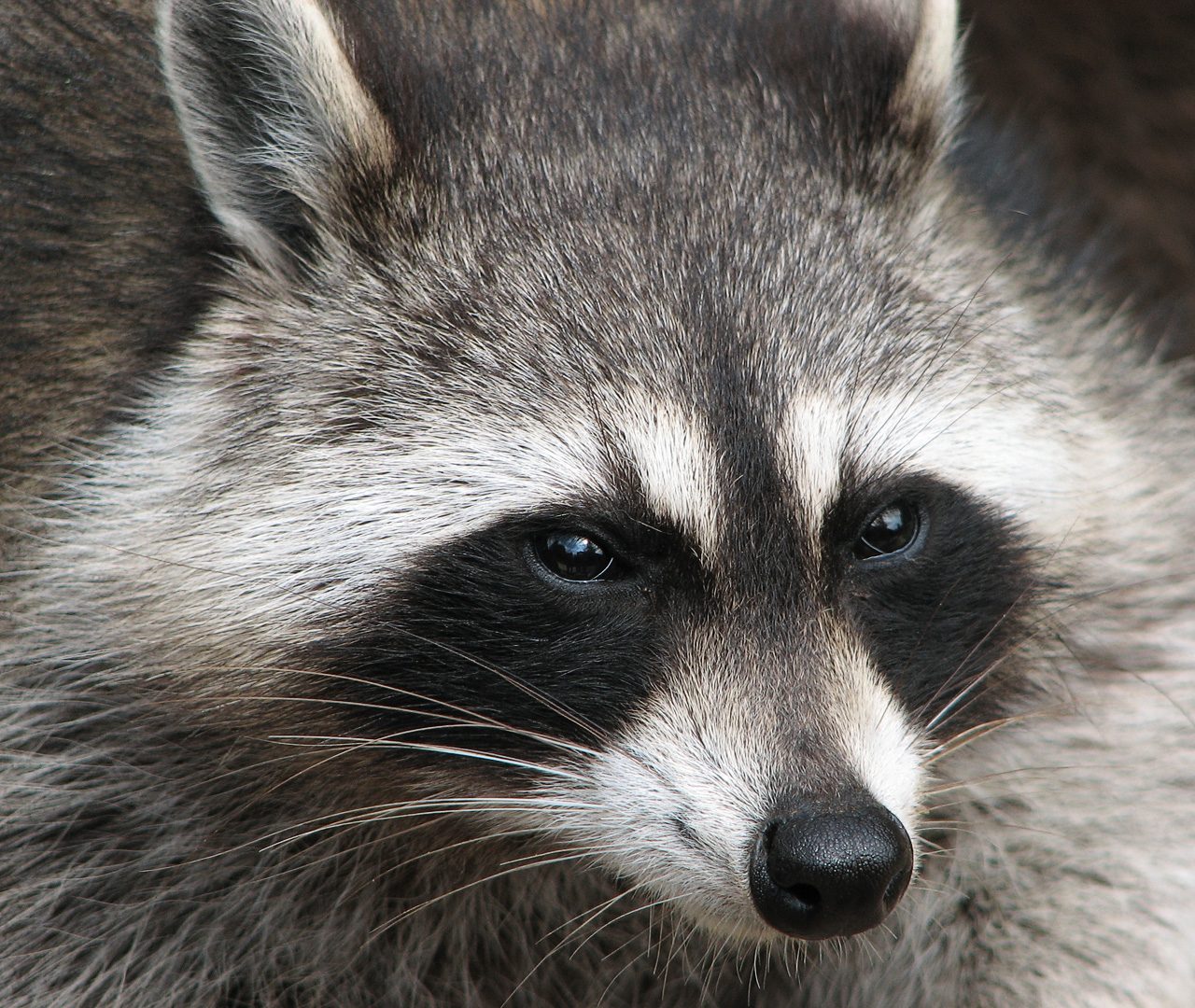
Quebec health news – Raccoon Rabies has crossed a new line in Quebec. The province has confirmed its first case in a cow since the outbreak began, and the numbers behind it should worry every farmer and pet owner in the south of the province.
By Maplestime Health Desk | Coaticook, Quebec | November 8, 2026
Sources: Canadian Press via Europe Says, Government of Quebec | Last updated: November 8, 2026
Key Takeaways
- Quebec’s agriculture ministry (MAPAQ) confirmed the first Raccoon Rabies case in a cow since the outbreak began in 2024.
- The animal was an unvaccinated young heifer on a farm in Coaticook, in the Eastern Townships.
- Symptoms began on Oct. 30 and the heifer died the same day. Rabies was confirmed on Nov. 4.
- Quebec has now recorded 329 confirmed Raccoon Rabies cases in 2026, up from 93 in all of 2025 and one in 2024.
- The province will help pay for livestock vaccinations in Montérégie, the Eastern Townships and parts of Centre-du-Québec.
What Happened in Coaticook
The case was announced in a ministry news release on Friday. The heifer was young and unvaccinated, and it lived on a farm in Coaticook, a town in the Eastern Townships near the U.S. border. Signs of disease appeared on Oct. 30. The animal died that same day, and laboratory testing confirmed rabies on Nov. 4.
The ministry said it worked with the farm owner and their veterinarian to reduce the risk on the farm. It did not name the farm.
This is the first time Raccoon Rabies has been confirmed in cattle since the current outbreak began. Until now, the cases have been in raccoons, skunks, foxes and, this summer, three cats in Montérégie. A cow changes the picture, because cattle live close to people, share pasture with wildlife at night, and are worth real money to the farmers who raise them.
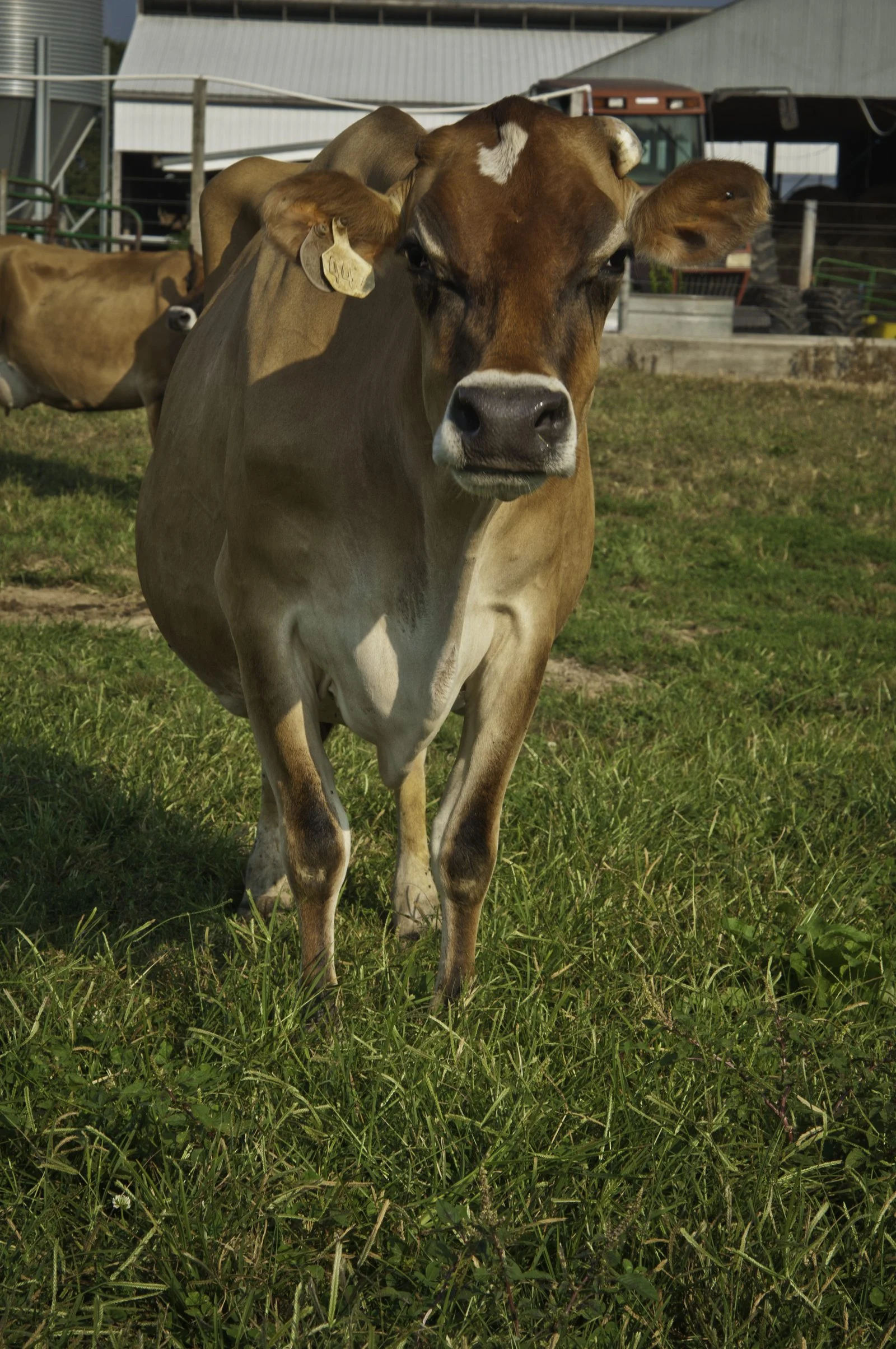
A cow with an ear tag on a farm pasture. The Coaticook animal was an unvaccinated young heifer. Photo: Bob Nichols, U.S. Department of Agriculture, public domain, via Wikimedia Commons.
Raccoon Rabies by the Numbers
The official Raccoon Rabies count tells the story plainly. Quebec has confirmed 329 cases of Raccoon Rabies since Jan. 1, 2026. That is more than triple the 93 cases recorded in all of 2025, and a long way from the single case found in 2024, when the disease came back into the province from Vermont.
| Year | Confirmed raccoon rabies cases |
|---|---|
| 2024 | 1 |
| 2025 | 93 |
| 2026 (to date) | 329 |
The Coaticook cattle case is listed in the province’s official table as Oct. 30, 2026, cattle, raccoon variant, Estrie, Coaticook. Cases remain concentrated in three regions: Estrie (the Eastern Townships), Montérégie and Centre-du-Québec.
The warning signs were already there this summer. Three cats in Montérégie tested positive for Raccoon Rabies, including a third confirmed on Sept. 25 in Saint-Denis-sur-Richelieu. Cats roam, hunt and fight. When the virus shows up in cats, it is only a matter of time before it shows up in something bigger.
Related: Quebec End Clock Changes 2026 – This Weekend’s Time Change Could Be the Last
Help Paying for Livestock Vaccines
The province is offering financial assistance to farmers who want to vaccinate their livestock. Registered agricultural operations in Montérégie, the Eastern Townships and certain municipalities in Centre-du-Québec are eligible if they raise cattle, goats, sheep or outdoor pigs. The assistance covers vaccinations performed by a veterinarian since May 15, 2026.
That matters because the vaccine works. Rabies affects all mammals, including humans, and it is transmitted mainly through saliva, notably through bites. Animals can be effectively vaccinated, and a vaccinated herd is a protected herd. That is the simplest tool Quebec has for fighting Raccoon Rabies in farm country, and an unvaccinated heifer in Coaticook is now the proof of what happens without it.
A snowy main street in Coaticook, Quebec, in the Eastern Townships, where the province’s first cattle case of raccoon rabies was confirmed. Photo: P199, CC BY-SA 3.0, via Wikimedia Commons.
What to Do If You See a Sick Animal
Public health guidance has not changed, but it is worth repeating now that the virus has reached cattle. Remain vigilant. Avoid contact with wild, domestic or farm animals that could be infected. Vaccinate your pets, supervise them outdoors or keep them inside.
Report dead, injured, disoriented or paralyzed raccoons, skunks or foxes, or animals acting unusually aggressive, to the Ministry of the Environment at 1-877-346-6763, Monday to Friday, 8:30 a.m. to 4:30 p.m., or through the online form on the Government of Quebec website.
Raccoon Rabies is not a distant wildlife story any more. It is in farmyards now, and the gap between 93 cases and 329 cases in a single year says the virus is winning the race so far.

Maplestime will provide updates from the Quebec raccoon rabies outbreak as announcements are made.
Have a tip about the Quebec raccoon rabies outbreak? Email [email protected]
Have a correction? Email [email protected]
Do you think Quebec is moving fast enough to vaccinate livestock and contain this outbreak, or do 329 cases prove the response is already behind? Tell us in the comments. And share this with every Quebec farmer and pet owner who needs to see it.
Enjoying Maplestime? Support independent Canadian journalism — no paywall, no corporate owners.