


Canadian business news: Quebecor wants to buy Telus, its much bigger rival, in a $31 billion deal that would cut Canada’s national wireless carriers from four to three, and Telus is not saying yes.
By Maplestime Business Desk | Toronto, Ontario | November 17, 2026
Sources: Morningstar / Dow Jones | MobileSyrup | Telecoms.com | Last updated: November 17, 2026
Quick Answer: The Quebecor Telus Takeover bid is an unsolicited, nonbinding, conditional proposal worth about C$31 billion in equity, or about C$61 billion including debt. Quebecor is offering $6.35 cash plus 0.17 Quebecor Class B shares per Telus share, about $19.45 a share. Telus formed a special committee of independent directors, is exploring other options, and has not rejected the bid outright.
Key Takeaways
- Quebecor went public on November 16 with an unsolicited, nonbinding, conditional proposal to acquire Telus, first made in June 2026 and revised on November 9.
- The offer values Telus at about $19.45 a share, roughly a 60 percent premium to its November 13 close of $12.14.
- Equity value is about C$31 billion, with enterprise value of about C$61 billion including debt.
- Telus shareholders would own about 54 percent of the combined company’s economic interest but only about 23 percent of the votes.
- A deal would cut Canada’s national wireless carriers from four to three, with a combined 15 million mobile subscribers.
What is Quebecor actually offering?
Quebecor is offering $6.35 in cash plus 0.17 Quebecor Class B shares for each Telus share. That works out to about $19.45 a share, roughly a 60 percent premium to Telus’s November 13 close of $12.14. The equity value is about C$31 billion, C$31.31 billion per Morningstar and Dow Jones, and the enterprise value is about C$61 billion once Telus’s debt is included.
There is a catch that matters. Telus shareholders would own about 54 percent of the combined company’s economic interest but only about 23 percent of the votes. In plain language, Telus shareholders would put up most of the value and hold little of the control. That is a hard sell to any board, and Telus knows it.
There is another catch. Quebecor, worth about $17.4 billion, is the smaller company bidding for the bigger rival, and it still has to show the money.
How has Telus responded?
Telus has not rejected the bid outright, but it has not welcomed it either. The board formed a special committee of independent directors, advised by TD Securities and Stikeman Elliott, and it is also exploring other strategic alternatives. That is board language for “we are looking at everything, including saying no.”
Board chair John Manley was blunt. More than four months after the first proposal, he said, Quebecor “has yet to explain how what it is proposing could be approved under the current telecom regulatory framework.” CEO Victor Dodig cited “serious concerns,” with regulation the largest hurdle. The message is clear: Quebecor has not solved the approval problem, and Telus is not going to solve it for them.
What does the Quebecor Telus Takeover mean for your phone bill?
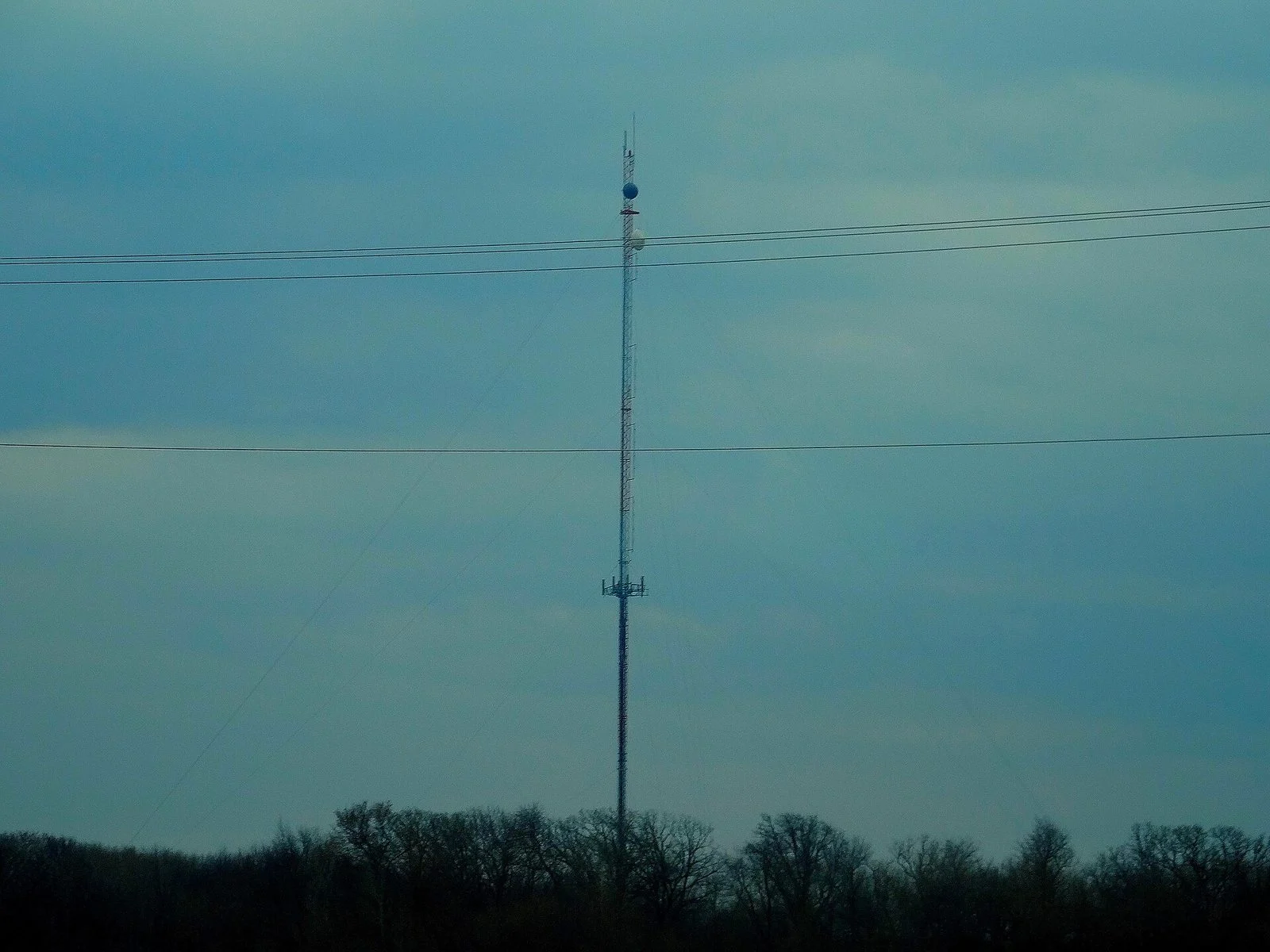
This is the question that will decide the deal, and it is the one Ottawa cannot dodge. A deal would cut Canada’s national wireless carriers from four to three. The combined company would have 15 million mobile subscribers, ahead of Rogers at 12.3 million and Bell at 10.4 million.
Critics say fewer carriers means higher prices, and they have a recent example to point to. Freedom Mobile was bought by Videotron, Quebecor’s telecom arm, in 2023 for C$2.85 billion as part of the Rogers Shaw deal, precisely because regulators wanted a fourth national carrier to survive. Now Quebecor wants to buy its way to the top of the market instead.
Quebecor claims C$160 million a year in operating synergies plus C$235 million in annual capital savings. Synergies are what buyers always promise. What customers will ask is simpler: will my bill go down, or will it go up?
What are Ottawa and the regulators saying?
Industry Minister Mélanie Joly said on November 16 that the government will not predetermine the outcome. The Competition Bureau and the CRTC will review the deal independently under the Telecommunications Act. That is the correct process, and it is also a long one. A deal this big, cutting the number of national carriers, will face months of scrutiny, and there is no guarantee it survives.
The market has already voted with its feet. On November 16, Telus shares jumped 12.85 percent to C$13.70, the biggest one day gain in more than six years. Quebecor shares fell about 15 percent to C$65.25. Investors think Telus shareholders are getting a good price, and Quebecor shareholders are paying too much for a deal that may never close.
Frequently Asked Questions
How much is Quebecor offering for Telus?
About $19.45 per Telus share, made up of $6.35 cash plus 0.17 Quebecor Class B shares. The equity value is about C$31 billion, and the enterprise value is about C$61 billion including debt.
Has Telus accepted the bid?
No. The board formed a special committee of independent directors and is exploring other strategic alternatives. It has not rejected the bid outright.
Would the deal reduce competition in Canadian wireless?
Yes, it would cut the number of national wireless carriers from four to three, and the combined company would have 15 million mobile subscribers, more than Rogers or Bell.

Maplestime will provide updates from the Quebecor Telus takeover bid as announcements are made.
Have a tip about the Quebecor Telus takeover bid? Email [email protected]
Have a correction? Email [email protected]
Would three national carriers mean cheaper bills through scale, or is this just the next step toward Canadians paying more for less choice? Tell us in the comments. And share this with every Canadian following telecom prices and the cost of living.
Enjoying Maplestime? Support independent Canadian journalism — no paywall, no corporate owners.