



Canadian business news: Canada inflation holds at 3.1% in October, and the gas pump is doing almost all of the damage while renters finally catch a break.
By Maplestime Business Desk | Toronto, Ontario | November 17, 2026
Sources: The Canadian Press, Morningstar / Dow Jones, ATB Financial | Last updated: November 17, 2026
Quick Answer: Canada inflation holds at 3.1% in October, unchanged from September, because a 30.9% jump in gasoline prices offset relief elsewhere. Rent growth slowed to 1.7%, and core inflation eased. The Bank of Canada now faces a harder call on its December 9 rate decision.
Key Takeaways
- Headline rate flat: The consumer price index rose 3.1% year over year in October, unchanged from September and slightly below economists’ expectation of 3.2%.
- Gas drove the number: Gasoline jumped 30.9% year over year, though pump prices actually fell 2.5% during October.
- Underlying pressure eased: Excluding energy, annual inflation fell to 2.0%, and excluding food and energy it slowed to 1.8%.
- Rent relief arrived: Rent growth slowed to 1.7% year over year.
- Rate call in doubt: Markets trimmed the implied chance of a December rate hike to roughly 44% from 60% after the release.
inflation holds at 3.1%: Why the Headline Refuses to Fall
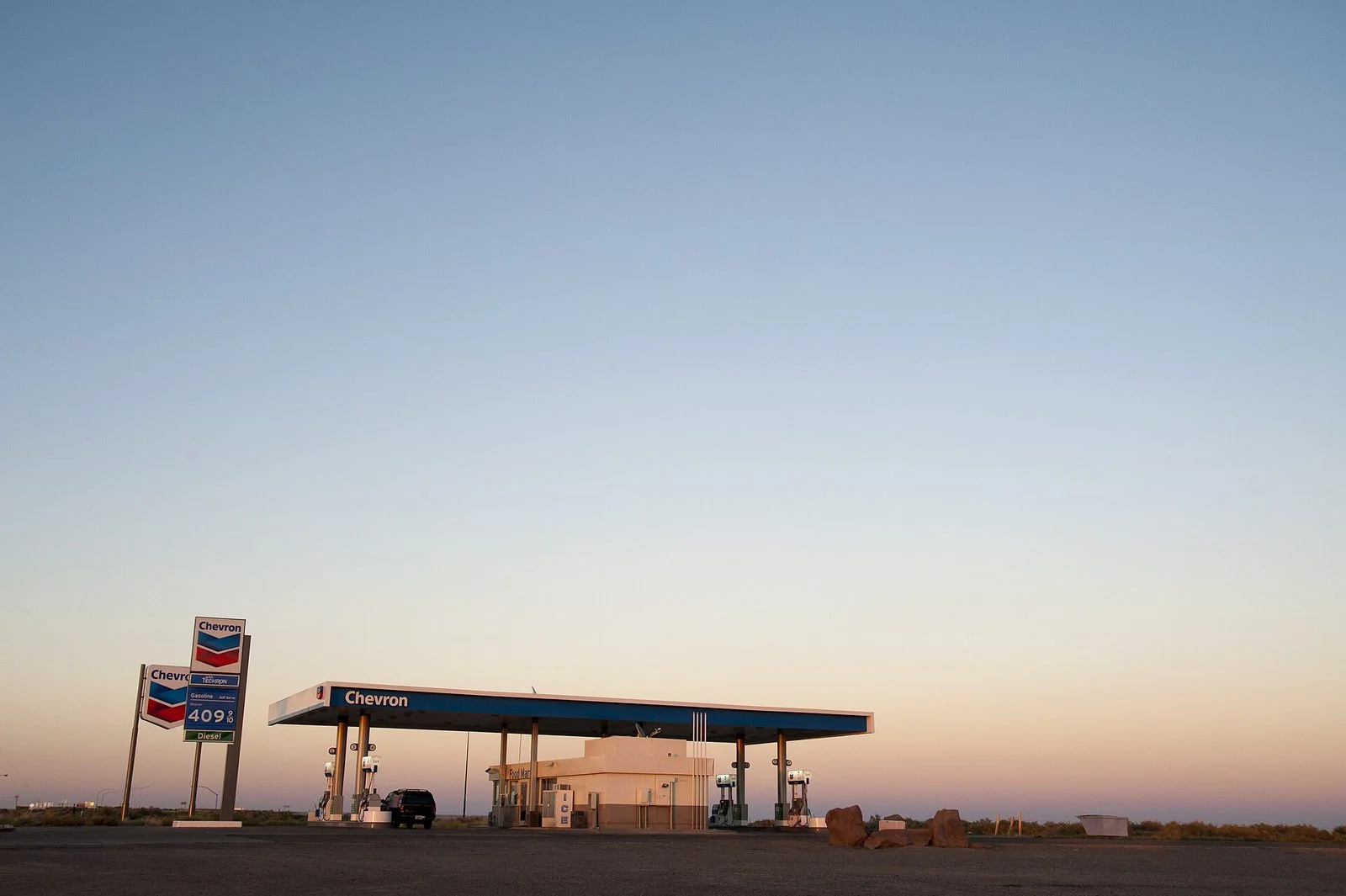
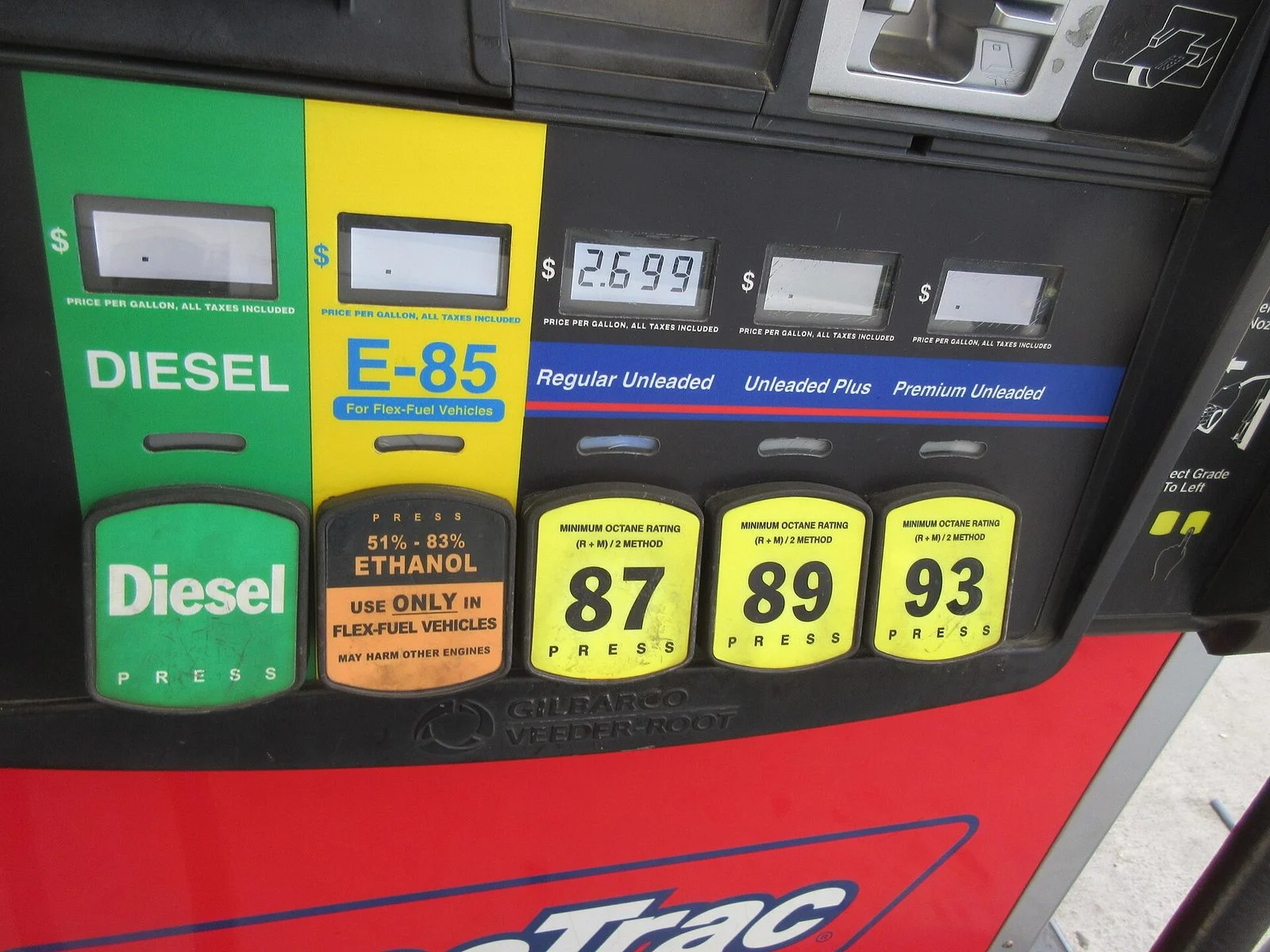
Statistics Canada reported on November 16 that the consumer price index rose 3.1% year over year in October, the same pace as September. Prices rose 0.2% month over month. The headline looks stubborn, but the details tell a split story. Gasoline was the main driver, up 30.9% year over year after a 27.8% rise in September, and energy overall rose 21.8%. StatCan said the annual gasoline jump was partly a base effect, because prices fell sharply in October 2025. Pump prices actually fell 2.5% during October itself.
Strip out energy and the picture softens fast. Excluding energy, annual inflation eased to 2.0% from 2.1% in September. Excluding food and energy, it slowed to 1.8%. The Bank of Canada’s core measures tell the same story. CPI-median held steady at 2.0%, while CPI-trim fell to 1.8% from 1.9%. That is the kind of cooling the Bank wants to see, even if the headline number refuses to move.
Related: RBC October Inflation at 3 Percent and the December Rate Hike
What Does This Cost Canadians at the Till and at Home?
Groceries kept climbing. Food bought from stores accelerated to 2.0% year over year, up from 1.7% in September, and groceries are now 31.9% higher than in October 2020. That five year gap is the number that still stings at the checkout, even when a single month looks mild. Clothing prices rose 1.8% year over year and 3.4% month over month, the largest monthly clothing increase since September 2019. Women’s clothing rose 2.2% and men’s clothing rose 1.4%.
There was real relief in two places that matter to household budgets. Cellphone plan prices fell 6.2% year over year. Rent growth slowed to 1.7% year over year, and shelter inflation overall eased to 1.4%. For renters who have watched housing costs climb for years, that is the first genuinely encouraging rent reading in a long time.
What Happens Next at the Bank of Canada?
The Bank of Canada raised its key rate to 2.5% on October 28, its first hike in more than three years. Its next decision comes December 9, and this report makes that call harder, not easier. Markets trimmed the implied chance of a December hike to roughly 44% from 60% after the release. The Canadian dollar slipped 0.17% after the release, with one US dollar buying C$1.4293, and two-year government bond yields fell 4.2 basis points to 2.700%.
The Bank’s problem is that the headline and the underlying trend point in different directions. Gasoline is loud but largely a base effect. Core inflation is quietly easing toward target. If the Bank hikes again in December, it will be betting the headline matters more than the trend. If it holds, it will be betting the gas spike fades on its own. Either way, Canadians should expect borrowing costs to stay high into the new year.
Frequently Asked Questions
What was Canada’s inflation rate in October 2026? The consumer price index rose 3.1% year over year in October, unchanged from September and slightly below the 3.2% economists expected.
Why did gasoline push inflation up so much? Gasoline rose 30.9% year over year, partly because prices fell sharply in October 2025, which made this year’s comparison look bigger. Pump prices actually fell 2.5% during October.
When does the Bank of Canada decide on rates next? The next rate decision is December 9. Markets now put the chance of another hike at roughly 44%, down from 60% before the inflation release.
Maplestime will provide updates from Canada inflation as announcements are made.
Have a tip about Canada inflation? Email [email protected]
Have a correction? Email [email protected]
Do you think the Bank of Canada should hike again in December, or is the gas spike a one off excuse to hold? Tell us in the comments. And share this with every Canadian watching their grocery bill and their mortgage rate this week.
Enjoying Maplestime? Support independent Canadian journalism — no paywall, no corporate owners.