


Canadian business news: October Inflation is expected to ease to 3%, RBC says, but the bank still expects the Bank of Canada to raise its policy rate to 2.75% in December despite the cooler reading.
Quick Answer: October Inflation is expected to ease to 3% from 3.1% in September, RBC economists forecast, with core inflation cooling to 1.9%. The bank still expects the Bank of Canada to raise its policy rate to 2.75% on December 9, but calls the forecast low conviction after a run of softer economic data.
By Maplestime Business Desk | Canada | November 14, 2026
Sources: SKN, EuropeSays, True North Mortgage | Last updated: November 14, 2026
Key Takeaways
- RBC economists Claire Fan and Abbey Xu forecast headline CPI of 3.0% year over year in October, down from 3.1% in September.
- Core inflation excluding food and energy is expected to ease to 1.9% from 2.1%, while the Bank of Canada’s preferred trim and median measures are expected to hold roughly steady.
- October CPI lands Monday, November 16, at 8:30 a.m. ET, the last inflation report before the Bank of Canada’s December 9 decision.
- RBC’s base case remains a December hike to 2.75%, the midpoint of the Bank’s neutral range, but Fan and Xu call it a low conviction forecast.
- Markets put the chance of a December hike at 64% as of November 12, according to True North Mortgage, citing mortgagelogic.news.
- The Bank of Canada raised its policy rate to 2.50% on October 28, its first hike since July 2023, after September inflation came in at 3.1% on gasoline prices up 27.8% year over year.
What Does October Inflation Mean for the December Decision?
On the surface, the forecast is good news. Headline inflation easing to 3.0% and core inflation cooling to 1.9% would both point in the right direction, and the Bank of Canada’s preferred trim and median measures are expected to be roughly unchanged after a 0.2% monthly rise. Energy prices were relatively stable between September and October, and food inflation had moderated to about 2%.
But RBC is not calling the December hike a sure thing. Fan and Xu describe the case as low conviction and not a slam dunk, noting that economic data since the last meeting has mostly turned softer. October’s jobs report showed 4,700 jobs lost and unemployment up to 6.7%, while average wage growth fell to 2.2%, below headline inflation. A central bank that hikes into a softening labour market is taking a real risk.
The complication is that producer level cost pressures have widened, and businesses may keep passing higher input costs through supply chains in the months ahead. Lower gasoline prices in November could pull near term inflation down, but the delayed pass through of costs already in the pipeline could push it back up. That tension is why RBC holds its hike call while admitting the evidence is mixed.
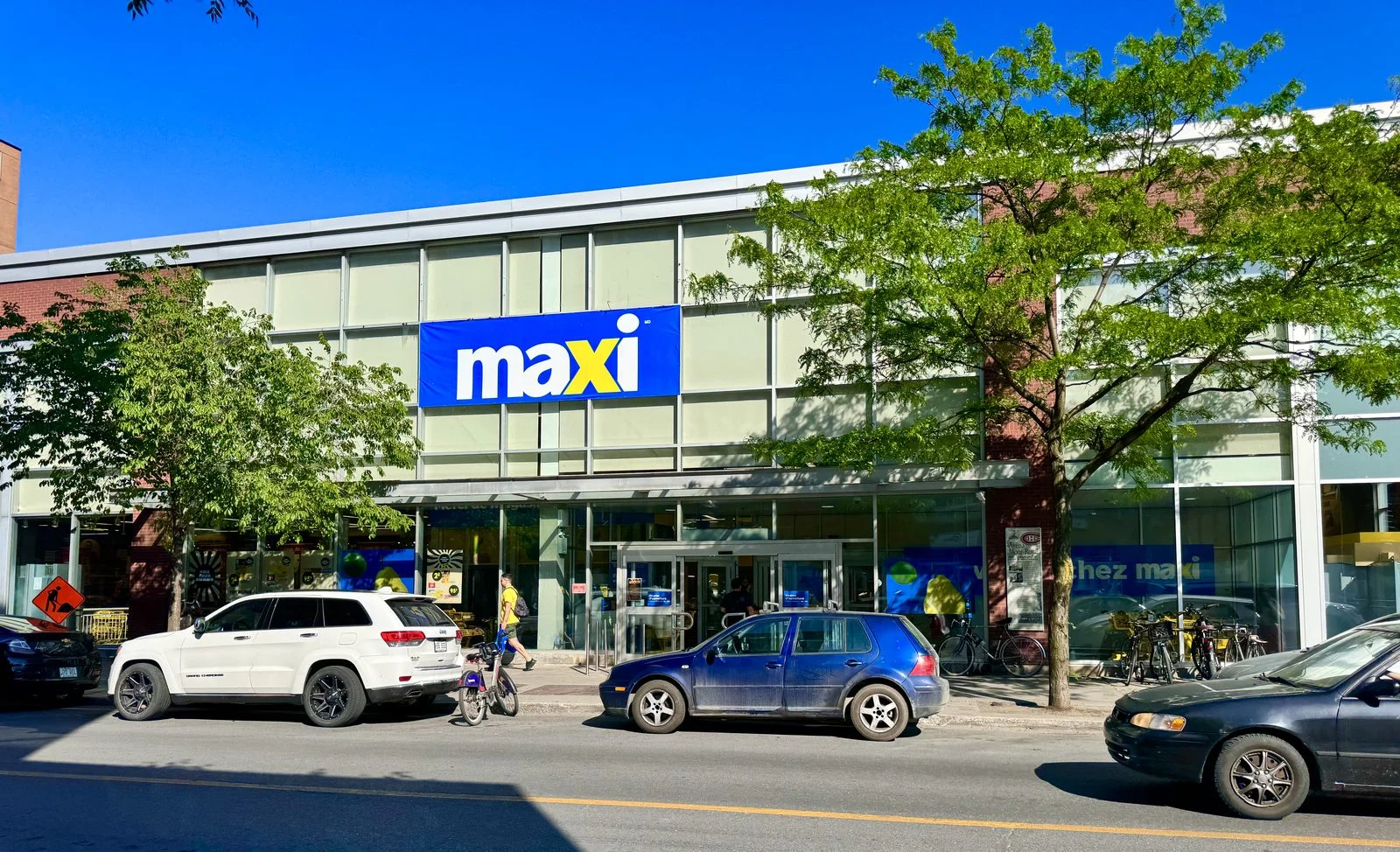
A Maxi supermarket in Montreal, Quebec. Photo: Harrison Keely, CC BY 4.0, via Wikimedia Commons
Related: U.S. Inflation October Mortgage Rates Canada 2026 — Hot CPI Pushes Fixed Rates Higher
What Would a December Hike Cost Borrowers?
A quarter point move to 2.75% would push most big bank prime rates higher from 4.70%, lifting variable mortgage rates and lines of credit. Fixed rates are already under pressure, with the 5 year bond yield up to 3.5% as markets price in persistent energy and tariff inflation. That is the squeeze facing Canadian households: borrowing costs rising even as the job market softens.
The Bank of Canada expects inflation near 3.5% by year end and back to 2% around mid 2028, a path that leaves little room for error. If Monday’s CPI comes in hotter than 3%, the December hike becomes much harder to argue against. If it comes in cooler, the Bank has cover to wait.
What Happens Next?
Monday’s CPI release at 8:30 a.m. ET is the last major inflation reading before the December 9 decision, and it will set the tone for the final weeks of debate. After that, the Bank of Canada will weigh one inflation print against a softening economy and decide whether a second straight hike is worth it. RBC’s call is a hike, but the bank’s own economists are telling anyone who will listen that this one is close.
Frequently Asked Questions
When is the October CPI released?
Statistics Canada releases October CPI on Monday, November 16, 2026, at 8:30 a.m. ET. It is the last inflation report before the Bank of Canada’s December 9 decision.
What rate does RBC expect in December?
RBC expects the Bank of Canada to raise its policy rate to 2.75% in December, a quarter point increase from the current 2.50%, but calls the forecast low conviction.
Why is RBC not certain about the hike?
October Inflation is easing, but economic data since the Bank’s last meeting has mostly turned softer, including job losses and rising unemployment, so Fan and Xu say the case for a December hike is not a slam dunk.
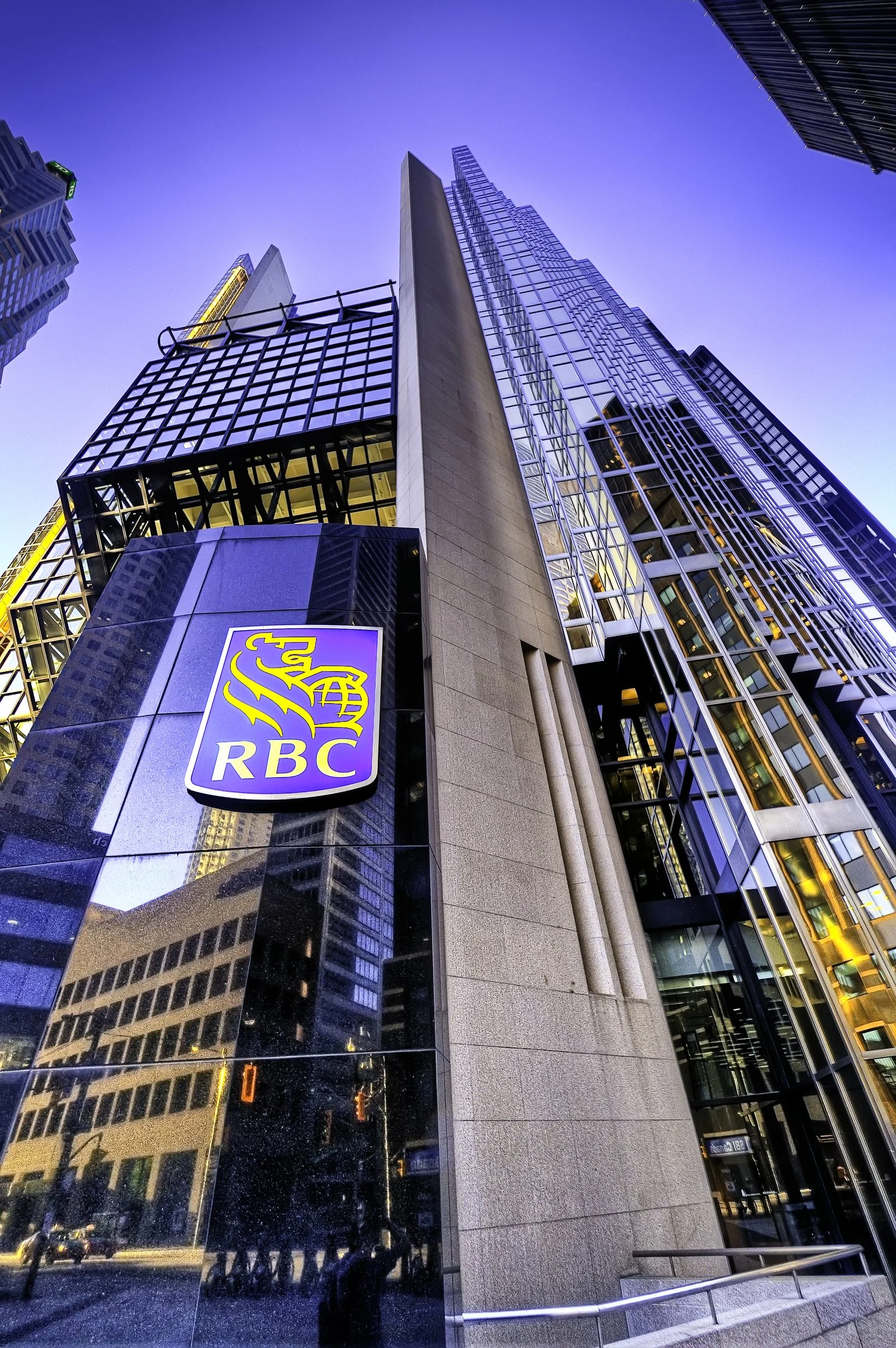
Royal Bank Plaza, the Royal Bank of Canada headquarters at 200 Bay Street, Toronto. Photo: Francisco Diez, CC BY 2.0, via Wikimedia Commons
Maplestime will provide updates from the Bank of Canada as announcements are made.
Have a tip about this story? Email [email protected]
Have a correction? Email [email protected]
Inflation is cooling but the Bank of Canada may still hike in December, so is the bank fighting the last war on prices or getting ahead of the next one? Tell us in the comments. And share this with every Canadian watching mortgage rates this weekend.
Enjoying Maplestime? Support independent Canadian journalism — no paywall, no corporate owners.