



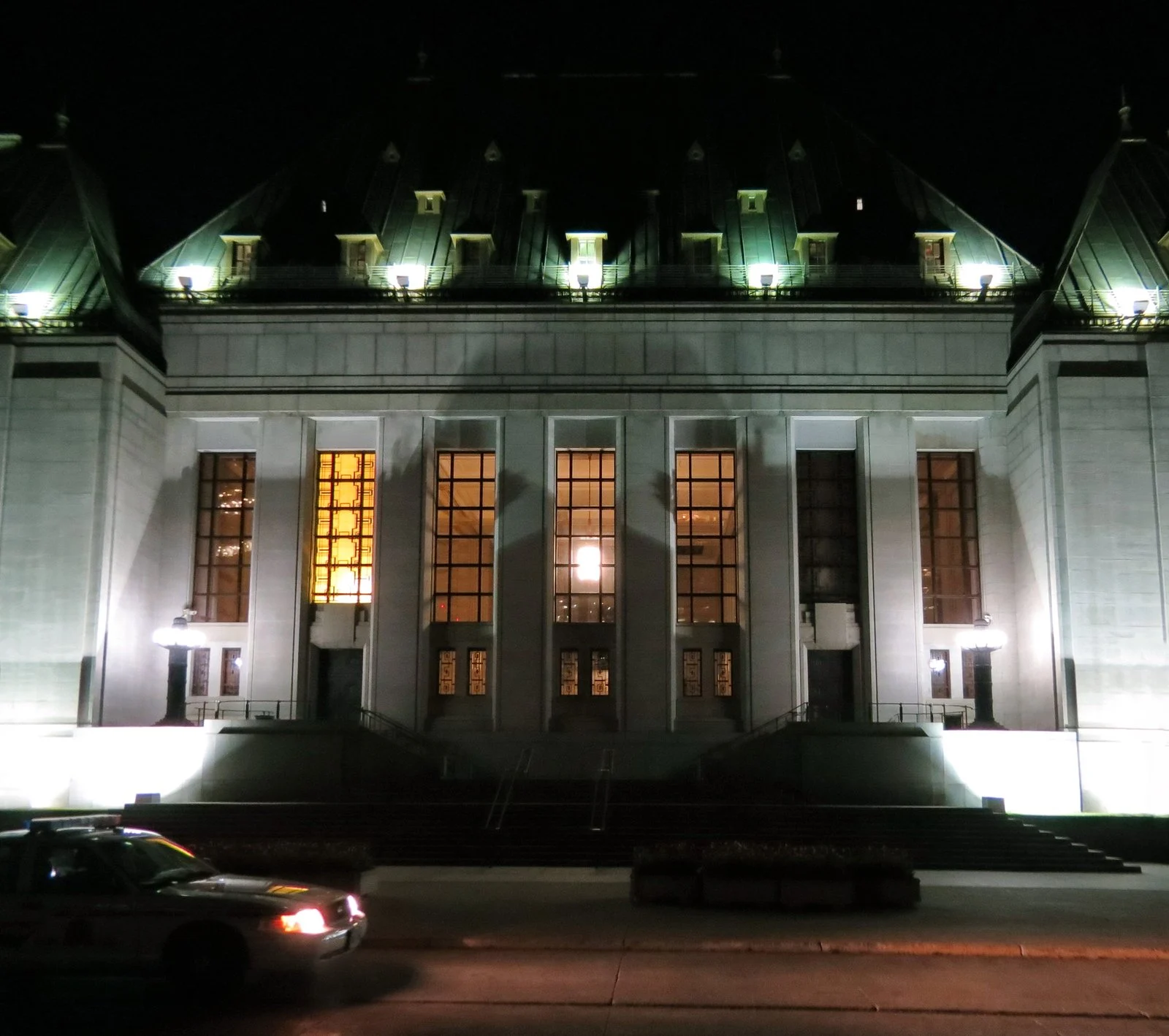
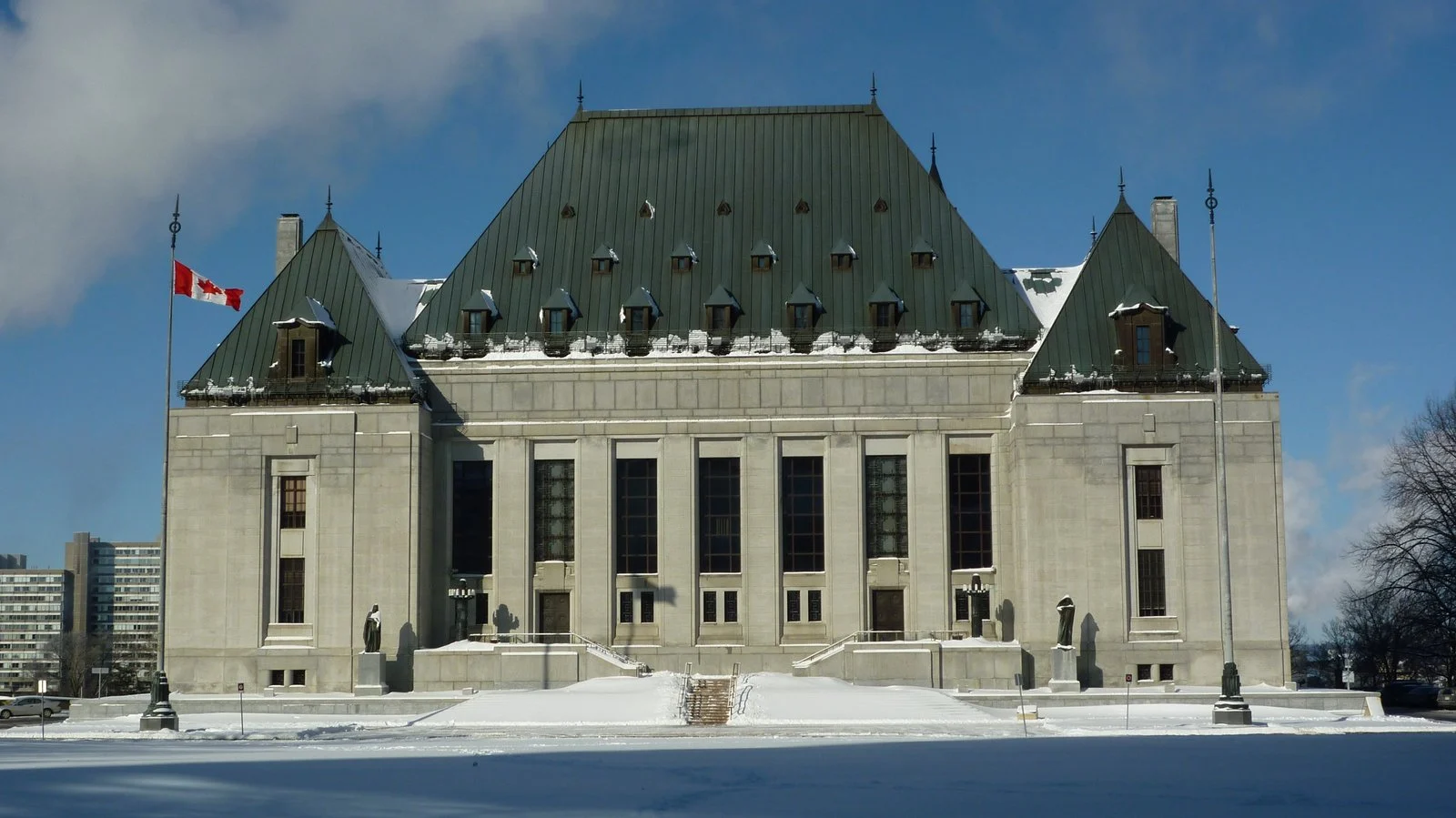
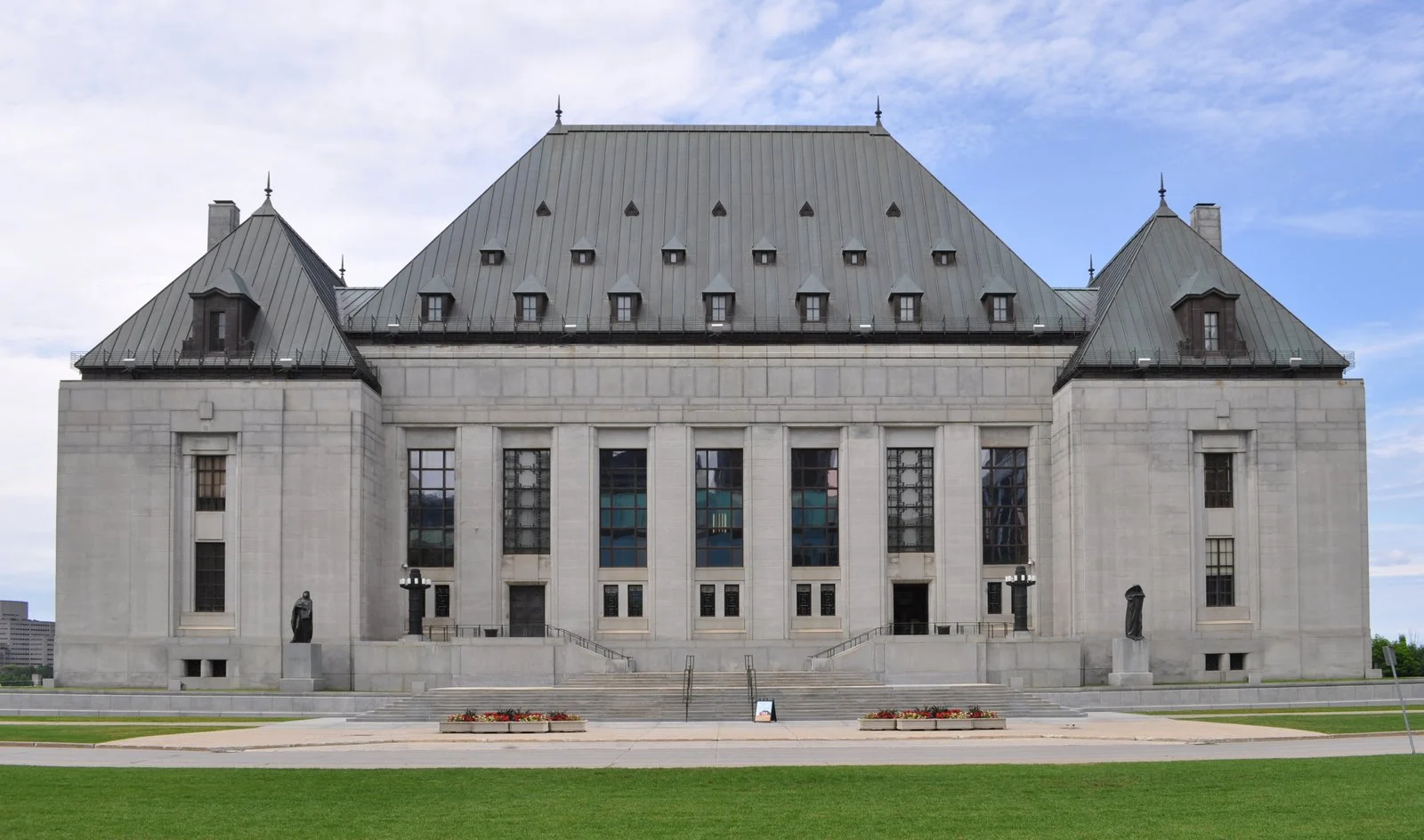
Ottawa news: The Supreme Court of Canada has refused to hear the Indigenous Children Class Action, ending a years long bid to certify a national class action for Indigenous children placed in non-Indigenous care.
By Maplestime Canada Desk | Ottawa, Ontario | November 20, 2026
Sources: Supreme Court of Canada, Canadian Press, Law360 Canada | Last updated: November 20, 2026
Quick Answer: The Supreme Court of Canada refused leave to appeal in Stonechild v. His Majesty the King on November 19, 2026, ending the bid to certify a national Indigenous Children Class Action. The proposed class covered off-reserve First Nation, non-status, Metis and Inuit children placed in non-Indigenous care between 1992 and 2019. The court did not rule on whether harm occurred.
Key Takeaways
- The Supreme Court refused leave to appeal in Stonechild v. His Majesty the King (file 41960) on November 19, 2026.
- The decision ends the bid to certify a national class action for Indigenous children placed in non-Indigenous care between 1992 and 2019.
- The representative plaintiffs were Cheyenne Pamamukos Stonechild, Lori-Lynn David and Steven Hicks.
- Lower courts held the Federal Court was not the preferable procedure because provinces and territories run child welfare and hold the records.
- The court did not rule on whether harm occurred.
What did the Supreme Court decide?
The Supreme Court refused leave to appeal, which means the case will not go ahead in the form the plaintiffs sought. A refusal of leave is not a ruling on the facts. It ends the appeal at the Supreme Court, and the lower court decisions stand.
The proposed class challenged Canada’s role between 1992 and 2019 for off-reserve First Nation, non-status, Metis and Inuit children. The representative plaintiffs, Cheyenne Pamamukos Stonechild, Lori-Lynn David and Steven Hicks, sought certification of the national Indigenous Children Class Action. That bid is now over.
Related: Return the Sacred Races to Bring 3,000 Indigenous Items Home From Swiss Collector
Why did the lower courts say the Federal Court was not the right place?
Child welfare in Canada is run by provinces and territories, not by Ottawa. The lower courts held that the Federal Court was not the preferable procedure for the national Indigenous Children Class Action because the provinces and territories hold the records and run the systems at the centre of the claim. That reasoning, not a finding about what happened to the children, is what stopped the certification bid.
The distinction matters. Courts decide first whether a case can proceed as a class action and in which court, and only then whether the claims themselves hold up. Here, the case never got past that first question.
What does the Indigenous Children Class Action decision change, and what does it not change?
The decision closes this particular route to the national Indigenous Children Class Action, but it does not settle whether children were harmed. The court did not rule on whether harm occurred, and that question remains unanswered by this case.
It also does not touch other cases. The separate Fisher River Cree Nation case, decided October 22, 2026, followed the Stonechild precedent, and it remains a distinct matter from this one. Families and advocates who wanted a national reckoning through the courts will now have to look to other routes, including provincial claims and political action.
Frequently Asked Questions
What was the case about?
The proposed class action challenged Canada’s role between 1992 and 2019 for off-reserve First Nation, non-status, Metis and Inuit children placed in non-Indigenous care.
Did the Supreme Court rule that no harm occurred?
No. The court refused leave to appeal and did not rule on whether harm occurred.
Who were the representative plaintiffs?
Cheyenne Pamamukos Stonechild, Lori-Lynn David and Steven Hicks.
Maplestime will provide updates from the Stonechild case as announcements are made.
Have a tip about the Stonechild case? Email [email protected]
Have a correction? Email [email protected]
Do you think a national class action was the right way to seek justice for these children, or should the fight now move to the provinces and to Parliament? Tell us in the comments. And share this with every Canadian following Indigenous child welfare and the courts.
Enjoying Maplestime? Support independent Canadian journalism — no paywall, no corporate owners.