


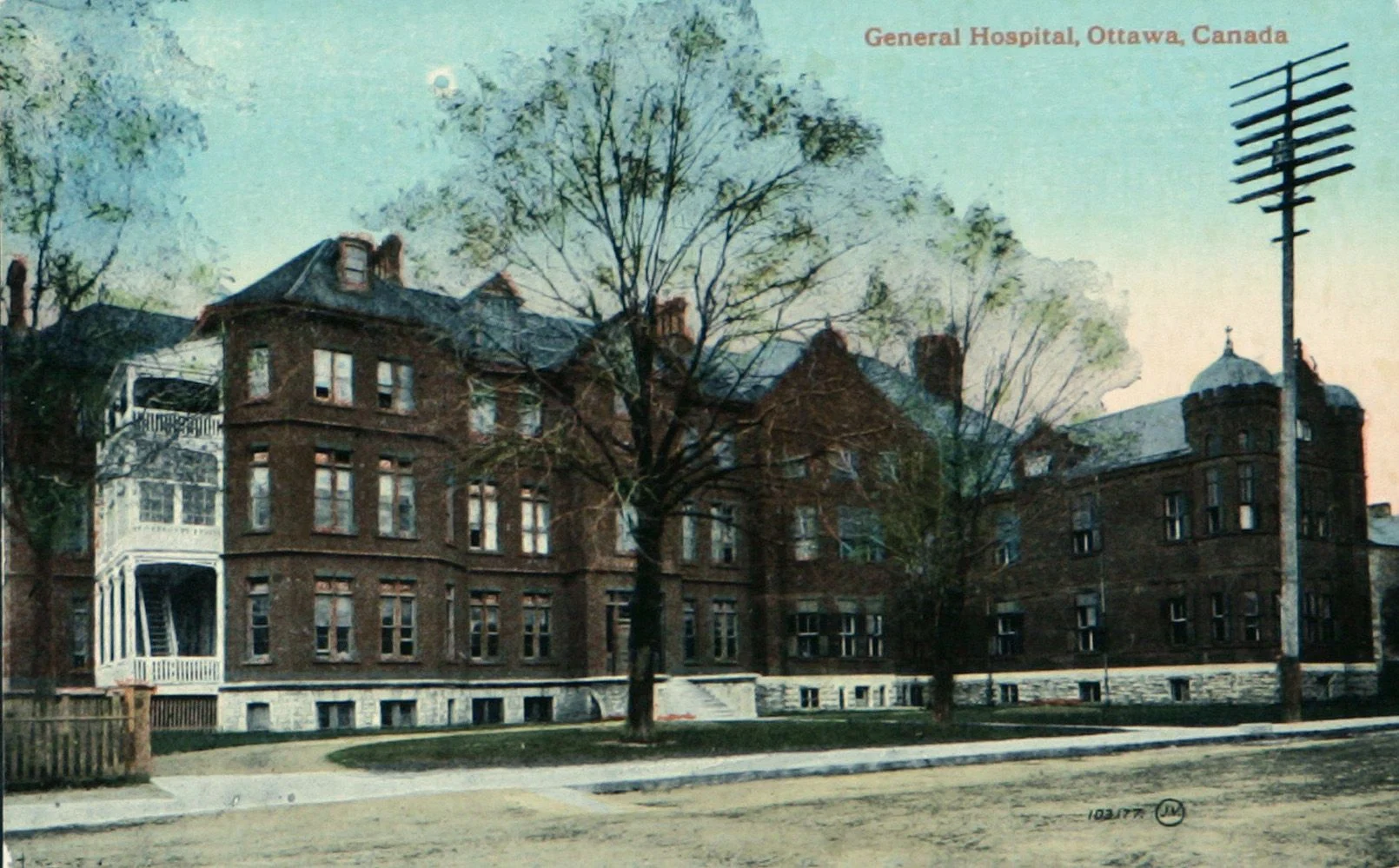
Canadian health news — the federal government is putting $80 million behind the idea that cancer treatment should be as individual as the patient. Health Minister Marjorie Michel announced Thursday at The Ottawa Hospital that Ottawa will invest $80 million over five years in the Terry Fox Research Institute, with the goal of giving more than 13,000 patients access to precision oncology in hospitals across the country. It builds on a $49-million investment from 2023 — and it lands in the 45th anniversary year of the Marathon of Hope.
By Maplestime News Desk | Winnipeg, Manitoba | September 24, 2026
Sources: Health Canada | Marathon of Hope Cancer Centres Network | Last updated: September 24, 2026
Key Takeaways
- The federal government will invest $80 million over five years in the Terry Fox Research Institute (TFRI).
- The goal: more than 13,000 patients gaining access to precision oncology — treatment tailored to the genetic and molecular profile of each patient’s cancer — at hospitals across Canada.
- The investment builds on $49 million announced in 2023 and supports the Marathon of Hope Cancer Centres Network.
- The announcement comes in the 45th anniversary year of Terry Fox’s Marathon of Hope: 143 days, 5,373 kilometres in 1980.
- Two in five Canadians will be diagnosed with cancer in their lifetime; cancer remains the leading cause of death in Canada.

What precision oncology actually means
Strip away the jargon and the idea is simple: instead of treating “breast cancer” or “lung cancer” as one disease, doctors analyze the specific genetic and molecular fingerprint of a patient’s tumour and match the treatment to it. It is the difference between a map of the country and a map of your street. The Terry Fox Research Institute — founded in 2007 and headquartered in Vancouver — exists to move that science out of a handful of elite centres and into hospitals across the country.
The Marathon of Hope Cancer Centres Network is the vehicle: a pan-Canadian network linking research hospitals so that a patient in Winnipeg or St. John’s can benefit from the same molecular profiling as a patient in Toronto or Vancouver.

45 years of the Marathon of Hope
The timing is deliberate. In 1980, an 18-year-old from Port Coquitlam who had lost a leg to bone cancer set out to run across Canada to raise money for cancer research. He ran a marathon a day for 143 days — 5,373 kilometres — before the cancer spread to his lungs and stopped him near Thunder Bay. He died on June 28, 1981, at 22. The annual Terry Fox Run has since raised hundreds of millions of dollars, and the research institute that bears his name is now one of the country’s flagship cancer research bodies.
Eighty million dollars is a serious bet — but here is the number that matters more: 13,000 patients. If this investment puts precision oncology within reach of that many Canadians, it will be the most fitting tribute imaginable to a kid who ran until he couldn’t. The Marathon of Hope continues. It just moved into the lab.
Enjoying Maplestime? Support independent Canadian journalism — no paywall, no corporate owners.