


Health news — Walking for Health Canada 2026 starts with a hard number: on August 25, Ottawa handed ParticipACTION another $6 million to get Canadians moving, because the numbers refuse to budge: fewer than 46 per cent of Canadian adults meet national physical activity guidelines, only 37 per cent of children and youth do, and barely a third of adults log the 7,500 daily steps that mark an active lifestyle. Buried inside the latest data is a prescription almost insultingly simple — walk about ten more minutes a day.
By Maplestime Wellness Desk | Winnipeg, Manitoba | September 20, 2026
Sources: Public Health Agency of Canada, ParticipACTION, FitBizWeekly | Last updated: September 20, 2026
Key Takeaways
- On August 25, 2026, Ottawa announced $6 million in continued funding for ParticipACTION, backing programs like Let’s Get Moving and the Community Challenge.
- Fewer than 46 per cent of Canadian adults meet national activity guidelines; 37 per cent of children and youth do — and only 8 per cent of girls aged 12 to 17.
- Walking for Health Canada 2026 in one line: just 32 per cent of adults average 7,500 or more steps a day; adding about 1,000 steps — roughly 10 minutes of walking — is linked to a 15 per cent reduced risk of death.
- Canada’s 24-Hour Movement Guidelines ask adults for 150 minutes a week of moderate-to-vigorous activity, and note that “progressing towards any of the above targets will result in some health benefits.”
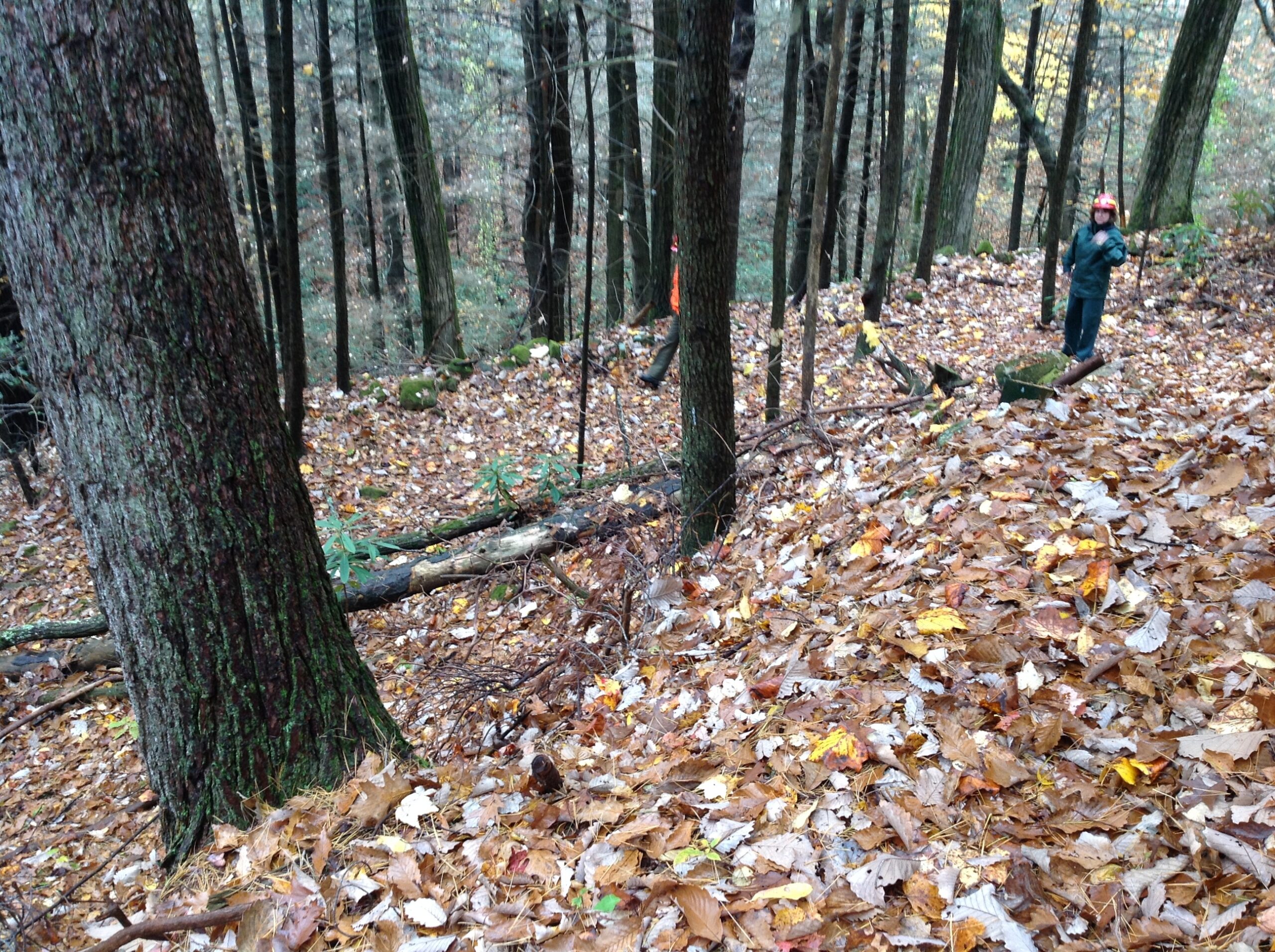
Walking for Health Canada 2026: The $6-Million Announcement — and Why Ottawa Keeps Paying
The announcement that put Walking for Health Canada 2026 on the map came August 25 in Toronto. Maggie Chi, Parliamentary Secretary to the Minister of Health, and Adam van Koeverden, Secretary of State for Sport, confirmed $6 million in continued federal support for ParticipACTION on behalf of Health Minister Marjorie Michel — money for programs like Let’s Get Moving and the Community Challenge that push activity “right where people live, learn, work and play.”
“Movement is medicine for our bodies and our minds, but far too many Canadians still face barriers to getting active,” van Koeverden said. ParticipACTION president and CEO Brian Torrance welcomed the investment, noting “55 years of helping people in Canada make room to move.” Fifty-five years — a number that frames the uncomfortable part: after half a century of promotion, and more than $43 million in public funding for Let’s Get Moving alone since 2018, per FitBizWeekly’s tally, Canadians are barely moving more than they were.
Walking for Health Canada 2026: The Numbers Behind the Push
Fewer than 46 per cent of adults meet the guideline of 150 minutes of moderate-to-vigorous activity a week, and only 32 per cent average at least 7,500 steps a day — the threshold marking a physically active lifestyle. The gaps are uneven across age groups, with older adults trailing younger ones on the step mark.
The kids’ numbers are worse — and they’re a big part of why the Walking for Health Canada 2026 funding exists. ParticipACTION’s 2026 Progress Report — fresh data updating its 2024 Report Card, themed “Rallying for Resilience: Keeping Children and Youth Active in a Changing Climate” — found just 37 per cent of five-to-17-year-olds get the recommended 60 daily minutes of moderate-to-vigorous activity, a D+. Only 4 per cent meet the full 24-Hour Movement Guidelines. And the figure that should stop every parent cold: only 8 per cent of girls aged 12 to 17 meet the recommendations. One bright spot: 43 per cent of parents said their kids walk or roll to school at least part of the way — movement built into the day without anyone having to “exercise.”
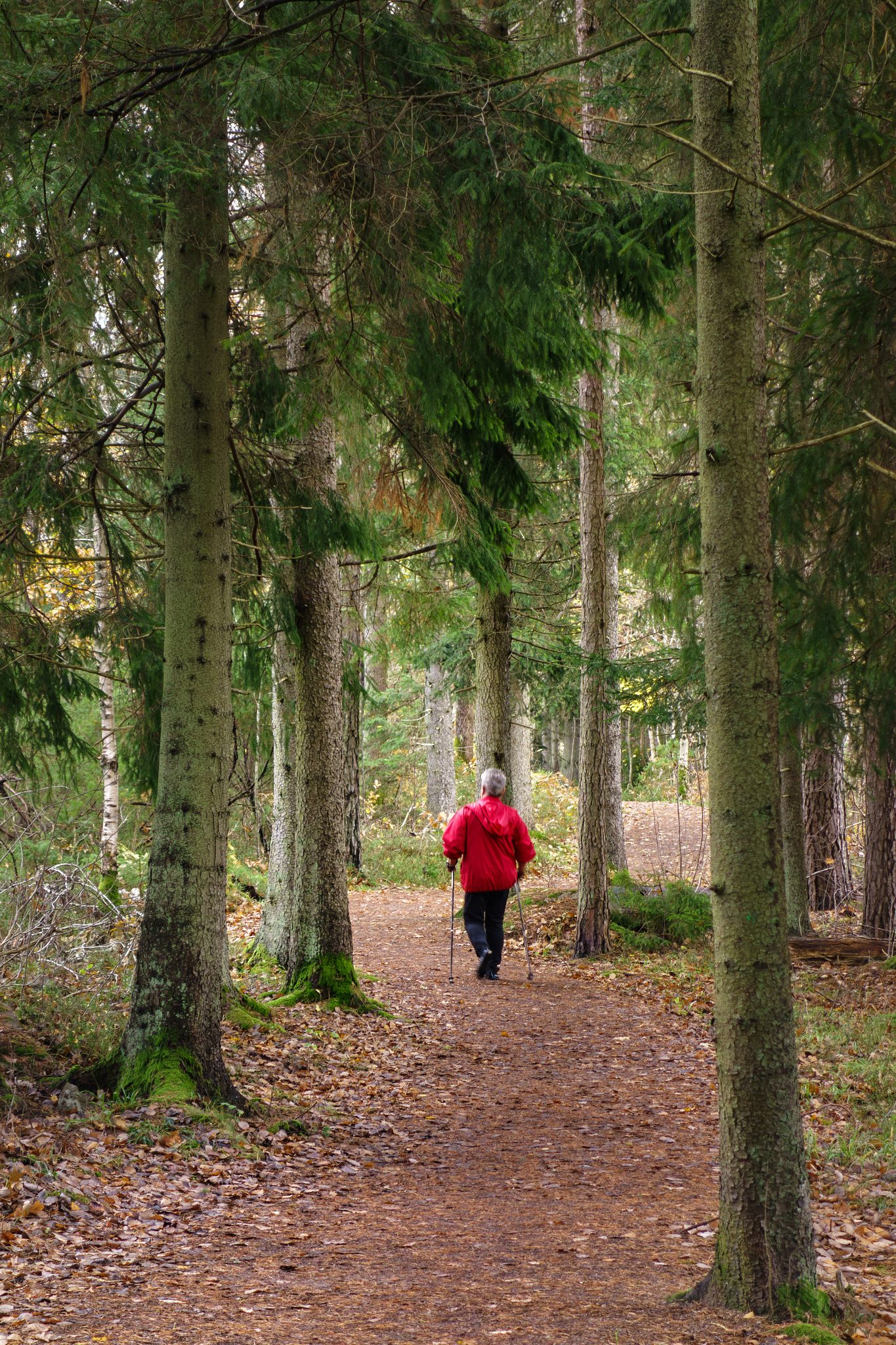
The 1,000-Step Rule: Smallest Dose, Real Payoff
Here’s where the Walking for Health Canada 2026 data gets practical. ParticipACTION’s adult report card urges primary care providers to get inactive and moderately active adults to add 1,000 steps a day — about 10 minutes of walking — because that increase is linked to a 15 per cent reduced risk of death. Ten minutes: the walk to the bus stop instead of the drive, one lap around the block after supper, parking at the far end of the lot.
The report card even recommends adding step-count targets like 7,500 steps a day into Canada’s 24-Hour Movement Guidelines, precisely because steps are concrete in a way “moderate-to-vigorous activity” never will be. And the guidelines back the go-small approach at the centre of Walking for Health Canada 2026: adults are asked for 150 minutes a week of moderate-to-vigorous activity, strength work twice a week, and 7 to 9 hours of sleep — but the line that matters most for the intimidated is the last one: “Progressing towards any of the above targets will result in some health benefits.” You don’t have to arrive. You just have to start walking toward it.
Walking for Health Canada 2026: How to Build the Habit Before Winter Hits
For Winnipeggers, September is arguably the finest walking month of the year — and the best time to act on the Walking for Health Canada 2026 message: cool enough to move comfortably, dry, and still light at supper. By late November the sun sets before 4:30 p.m. The habit you build now is the habit that carries you through.
- Anchor it to something you already do. Walk the first or last ten minutes of your commute. Take calls on foot. Make the after-supper walk non-negotiable.
- Count steps, not minutes. Any phone does it. Find your baseline for a week, then add 1,000 — the evidence-backed dose.
- Make it social. Active parents raise active kids, and walking partners keep adults honest. Recruit one.
- Use the daylight while you have it. A midday October walk banks light exposure too — a two-for-one against inactivity and the seasonal mood slide.
- Plan the winter version now. Indoor tracks, mall walking, the dusty basement treadmill — decide in September, not in the minus-thirty shock of January.
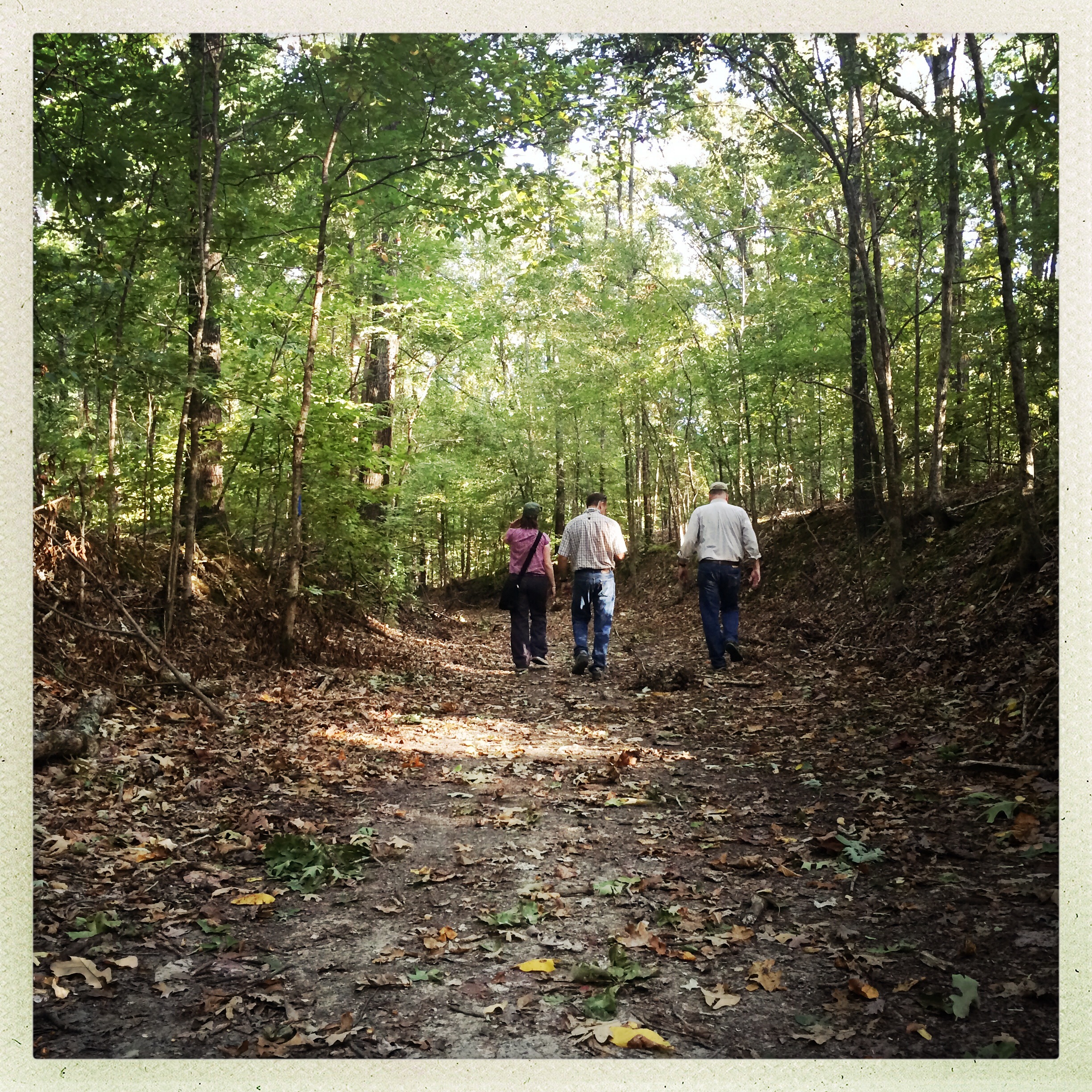
Maplestime will provide updates on walking and active living as new data is published.
Have a tip about walking for health? Email [email protected]
Have a correction? Email [email protected]
Ottawa just spent $6 million telling you what your grandmother told you for free: go for a walk. So — will you actually take the ten minutes, or just keep reading about it? Share this with your designated walking partner.
