


Health news — On Tuesday, September 22, day and night stand exactly equal over Winnipeg. From then on, the darkness keeps winning until the December 21 solstice, when the city gets just 8 hours and 5 minutes of daylight and the sun doesn’t rise until about 8:24 a.m. For the roughly 15 per cent of Canadians who experience seasonal affective disorder, the countdown starts this week — and the Seasonal Affective Disorder Canada 2026 message from experts is blunt: September, not January, is the month to act.
By Maplestime Wellness Desk | Winnipeg, Manitoba | September 20, 2026
Sources: CAMH, The Weather Network, CMRU | Last updated: September 20, 2026
Key Takeaways
- The fall equinox is Tuesday, September 22, 2026. Winnipeg’s shortest day (December 21) brings just 8 hours, 5 minutes of daylight.
- CAMH identifies light therapy as the main treatment for seasonal affective disorder: a 10,000-lux lamp for 20 to 30 minutes each morning is the evidence-backed protocol.
- At least 15 per cent of Canadians report SAD symptoms in winter, says CAMH psychiatrist Dr. Michael Mak; the Canadian Psychological Association says 2 to 3 per cent experience a more serious form.
- Experts say the Seasonal Affective Disorder Canada 2026 prevention playbook — a light routine, a morning daylight habit and a steady sleep schedule — works best when it’s in place before the clocks fall back on November 1.
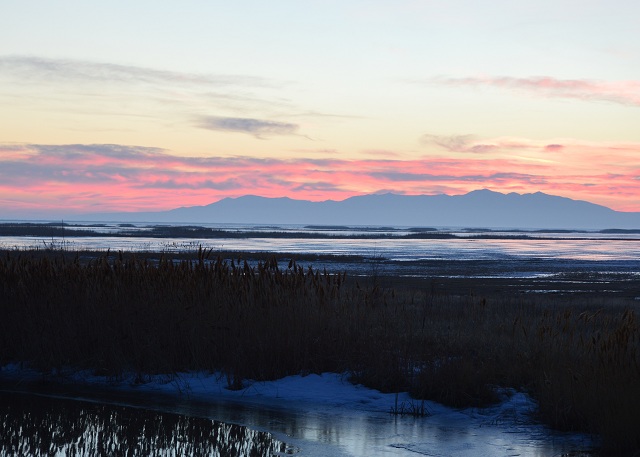
Seasonal Affective Disorder Canada 2026: The Countdown Starts at the Equinox
The equinox is easy to ignore — late September can still be lovely. But astronomically, September 22 is the tipping point for Seasonal Affective Disorder Canada 2026: from here to the winter solstice, every day in Winnipeg is a little darker than the one before.
On December 21 the city gets 8 hours and 5 minutes of daylight — sunrise around 8:24 a.m., sunset about 4:29 p.m. A 9-to-5 worker can go a whole December week without seeing the sun. Then, on November 1, the clocks fall back an hour, dragging sunset even earlier. If the first two weeks of November always feel heavy, that’s not your imagination — it’s the darkest transition of the year, and the window when the Seasonal Affective Disorder Canada 2026 symptoms tend to arrive.
Seasonal Affective Disorder Canada 2026: What the Research Shows
Seasonal affective disorder is not the winter blues. CAMH describes it as a type of depression that occurs during the same season each year — usually fall or winter — with the same core symptom as major depression: a sad, despairing mood, present most days and most of the day, lasting more than two weeks, and impairing performance at work, school or in relationships.
The Canadian Psychological Association says about 15 per cent of Canadians experience SAD — 2 to 3 per cent in a more serious form — and roughly 10 per cent of all depression cases in Canada are attributed to it. New research keeps tightening the latitude link at the heart of Seasonal Affective Disorder Canada 2026, including a systematic review and meta-analysis on global SAD prevalence by latitude, and a 2026 survey in Fairbanks, Alaska — which shares Winnipeg’s punishing winter light profile — finding nearly 19 per cent met criteria for winter-pattern SAD, with women significantly more affected.

What SAD Actually Feels Like — and What It Isn’t
The winter SAD signature: oversleeping, overeating — especially carbohydrate cravings — and a sluggishness sleep doesn’t fix. CAMH also lists loss of interest in work and people, withdrawal, fatigue, irritability and trouble concentrating. “There’s a lot of people whose primary problem is that they crave carbohydrates and other foods and gain a lot of weight,” CAMH depression researcher Dr. Robert Levitan told Global News.
SAD is a clinically recognized depression, not a character flaw. If symptoms are interfering with work or relationships — or if there are thoughts of self-harm — see a family doctor, a walk-in clinic or a crisis line, not another winter of white-knuckling.
Light Therapy: The 10,000-Lux Morning Routine
The good news for Seasonal Affective Disorder Canada 2026 is genuine: SAD responds well to treatment. CAMH states plainly that light therapy is the main treatment, with medications and psychotherapy also able to help. “If you expose yourself to light that’s a minimum of 10,000 lux for half an hour daily, that is a treatment for seasonal affective disorder,” Dr. Mak told The Weather Network.
- Intensity: 10,000 lux — check the rating before buying. An ordinary desk lamp puts out 400–500 lux, which won’t cut it.
- Timing: Within the first hour after waking, every morning. Never in the evening — it can wreck your sleep.
- Duration: 20 to 30 minutes a day. Consistency beats marathon sessions.
- Position: Sit 40–60 cm away, light in your field of vision. Don’t stare — read, eat breakfast, answer email.
Caution: light therapy lamps aren’t comprehensively regulated in Canada — buy from a reputable maker, and talk to your doctor first if you have an eye condition or bipolar disorder.
Seasonal Affective Disorder Canada 2026 Prevention: Five Things to Do Before November 1
The smartest insight in the SAD literature — and the backbone of the Seasonal Affective Disorder Canada 2026 approach: don’t wait until you’re already in the hole.
- Get the lamp now, not in January. Order a 10,000-lux light box this week and start the morning routine in October, so the habit is automatic before the darkest weeks.
- Chase the morning light. A 15- to 20-minute walk in daylight — even under cloud — helps regulate circadian rhythm. In Winnipeg, midday is the golden window once December arrives.
- Lock in your sleep schedule. Same bedtime, same wake time, weekends included. SAD thrives on the drift toward hibernation hours.
- Stay in the game socially. Withdrawal is both a symptom and a fuel source. Put recurring plans on the calendar now, before the urge to cancel arrives.
- Book the check-in early. If last winter was rough, tell your doctor this fall. Adjusting medication or starting talk therapy takes weeks — start before you need the help.

Maplestime will provide updates on seasonal affective disorder and winter wellness as new research is published.
Have a tip about seasonal affective disorder? Email [email protected]
Have a correction? Email [email protected]
Here’s the uncomfortable question: if you know the darkness is coming every single year, what’s your excuse for facing it unprepared again this winter? Share this with the Winnipegger who dreads November most.
