


Winnipeg news — The Winnipeg Mayoral Race finally has its ballot-box question, and it’s the one dominating every coffee-shop argument in the city: who can actually make Winnipeg safe again? On Friday, September 18, incumbent Scott Gillingham and challengers Kevin Klein and Mike Vogiatzakis all rolled out public-safety promises on the same day — turning the end-of-October municipal vote into a three-way showdown over crime.
By Maplestime News Desk | Winnipeg, Manitoba | September 20, 2026
Sources: CBC, Winnipeg Free Press | Last updated: September 20, 2026
Key Takeaways
- Kevin Klein issued his first campaign promise since joining the Winnipeg Mayoral Race in early September: make Winnipeg “the safest city in Canada” within four years.
- Klein said former police chief Devon Clunis would lead a crime-reduction task force — but Clunis publicly refused to endorse him, telling CBC: “There is no task force.”
- Klein also pledged 100–110 more police officers (an estimated $9–11 million, per the Winnipeg Free Press), panic buttons on Winnipeg Transit buses with automatic 911 response, and a push for the province to expand drug treatment court.
- Former Liberal MP Robert-Falcon Ouellette will sit on Klein’s proposed task force and is endorsing him.
- Gillingham and Mike Vogiatzakis issued their own safety promises Friday, making public safety the defining issue of the Winnipeg Mayoral Race.
Klein’s Big Promise
Kevin Klein chose the Four Crowns Hotel restaurant on McPhillips Street on Friday to make his first major campaign pledge since entering the Winnipeg Mayoral Race in early September — and he went big. Under his watch, he said, Winnipeg would become “the safest city in Canada” within four years.
“We will make Winnipeg the safest city in Canada by calling on the help of experts, who will develop a plan, a focused strategy, with clear objectives,” Klein told reporters, according to the Winnipeg Free Press.
The centrepiece of the plan is a proposed crime-reduction task force that would define how the city measures safety and recommend improvements. Klein said the task force would be led by former Winnipeg police chief Devon Clunis — one of the most recognizable names in the city’s public-safety world.
“Crime is happening all over the city and we have to take steps to address it,” Klein said.
“There Is No Task Force”
Klein’s announcement had one glaring problem: his would-be task force leader wanted nothing to do with it.
Clunis told CBC he is not endorsing Klein. He said several candidates have approached him, and that he would assist whoever is elected — not one campaign. Then came the line that defined the day: “There is no task force.”
For a candidate’s first campaign promise, it was a rough debut. Klein had put a high-profile former chief’s name at the centre of his safety plan, and the former chief publicly declined the role, the endorsement and the premise in one breath.
One name did sign on. Former Liberal MP Robert-Falcon Ouellette will sit on Klein’s proposed task force and is endorsing his campaign.
The Numbers Behind Klein’s Pledge
Beyond the task force, Klein attached hard numbers to his promise. He pledged to hire between 100 and 110 more police officers, at an estimated cost of $9 million to $11 million, according to the Winnipeg Free Press. “Our (officer) numbers are way down. We need to fix that now,” he said.
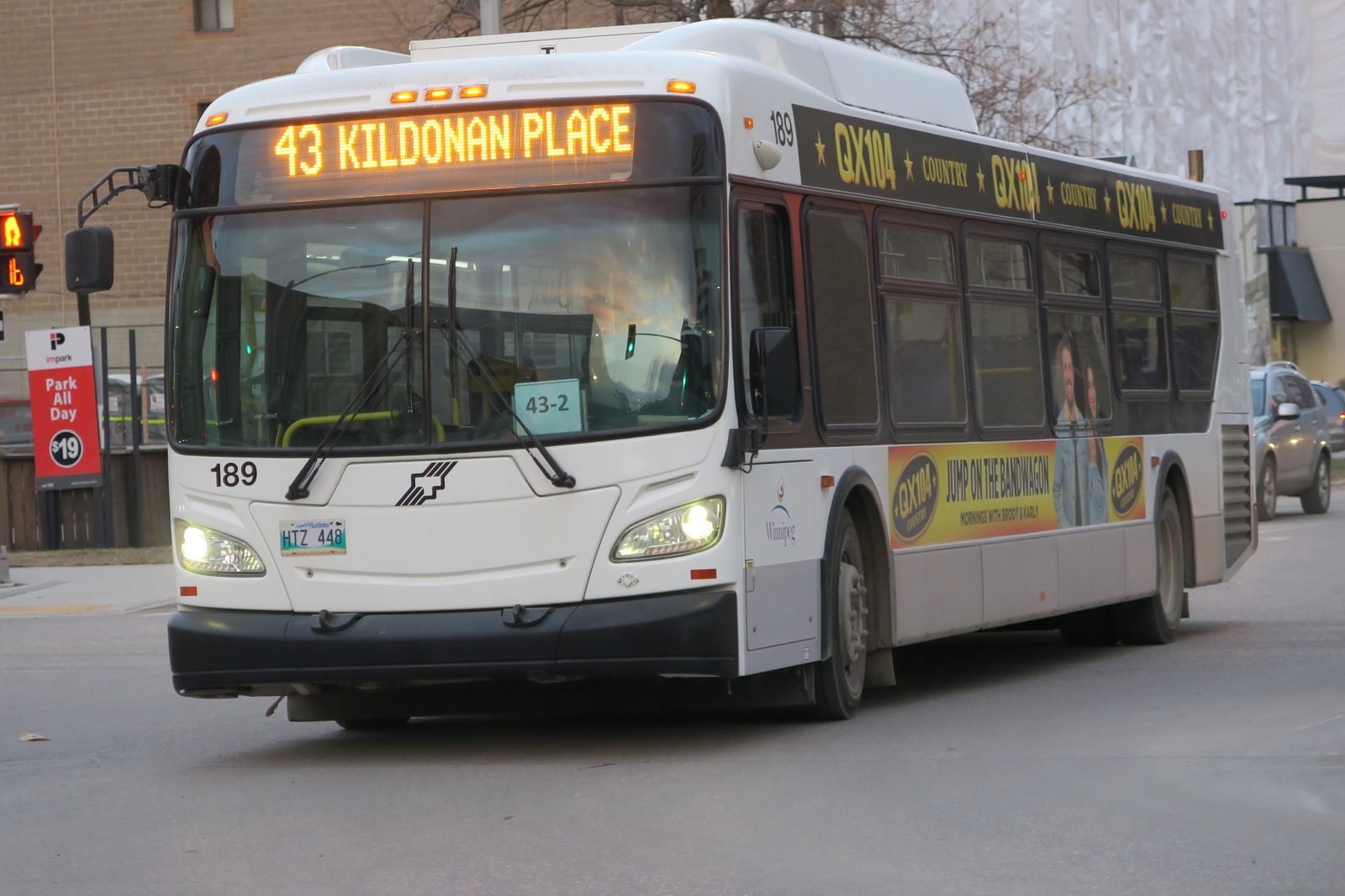
He also promised panic buttons on Winnipeg Transit buses that would trigger an automatic 911 response — a direct answer to riders’ safety fears — and said he would ask the province to expand drug treatment court.
Those are not cheap promises. More officers, new bus hardware and a bigger treatment-court footprint all cost real money, and none of it arrives on day one. But as an opening bid in the Winnipeg Mayoral Race, Klein’s package was unmistakable: he wants this election to be about safety, and he wants to own the issue.
Why the Winnipeg Mayoral Race Will Be Decided on Safety
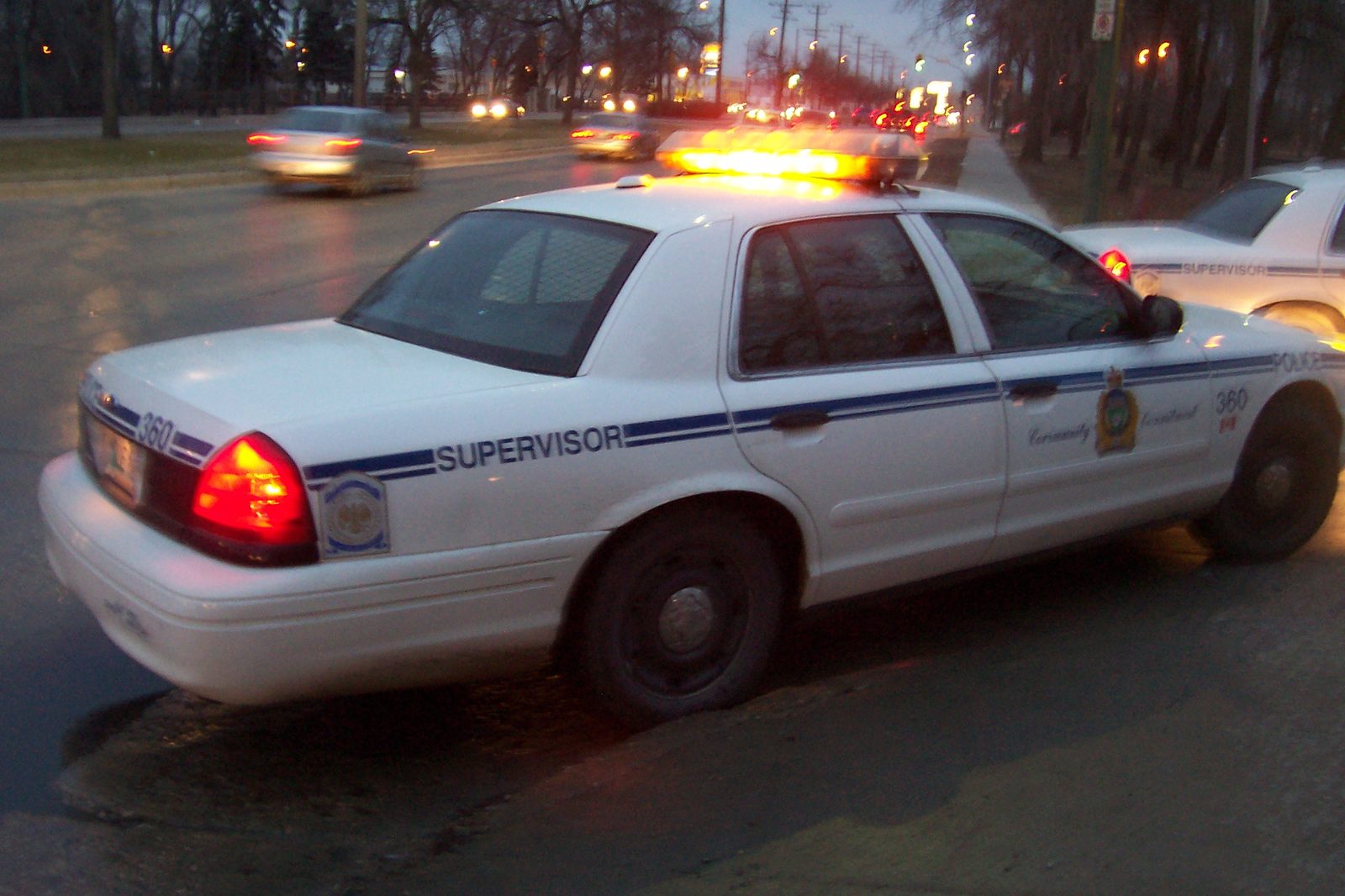
Friday belonged to more than Klein. Gillingham and Vogiatzakis each issued their own public-safety promises the same day, which tells you everything about where this race is headed. No campaign wants to be the one that looked soft on crime while its rivals talked tough.
With the municipal vote set for the end of October, expect the next six weeks to sound like an auction: more officers, more task forces, more pledges. Klein’s opening bid was the boldest of the three — a four-year promise to top every city in the country on safety — and also the most awkward, thanks to the Clunis episode. Whether voters remember the ambition or the embarrassment is now an open question.
Saying you’ll build “the safest city in Canada” is easy. Naming the person who’ll lead the charge — and having him publicly decline — is the kind of self-inflicted wound campaigns don’t forget.
Related: Toronto Mayoral Poll September 2026 — Where the Race Stands
Maplestime will provide updates from the Winnipeg mayoral race as announcements are made.
Have a tip about the Winnipeg mayoral race? Email [email protected]
Have a correction? Email [email protected]
Who actually has a plan to make this city safe — and who should win the Winnipeg Mayoral Race because of it? Tell us in the comments. And share this with every Winnipegger voting at the end of October.
