


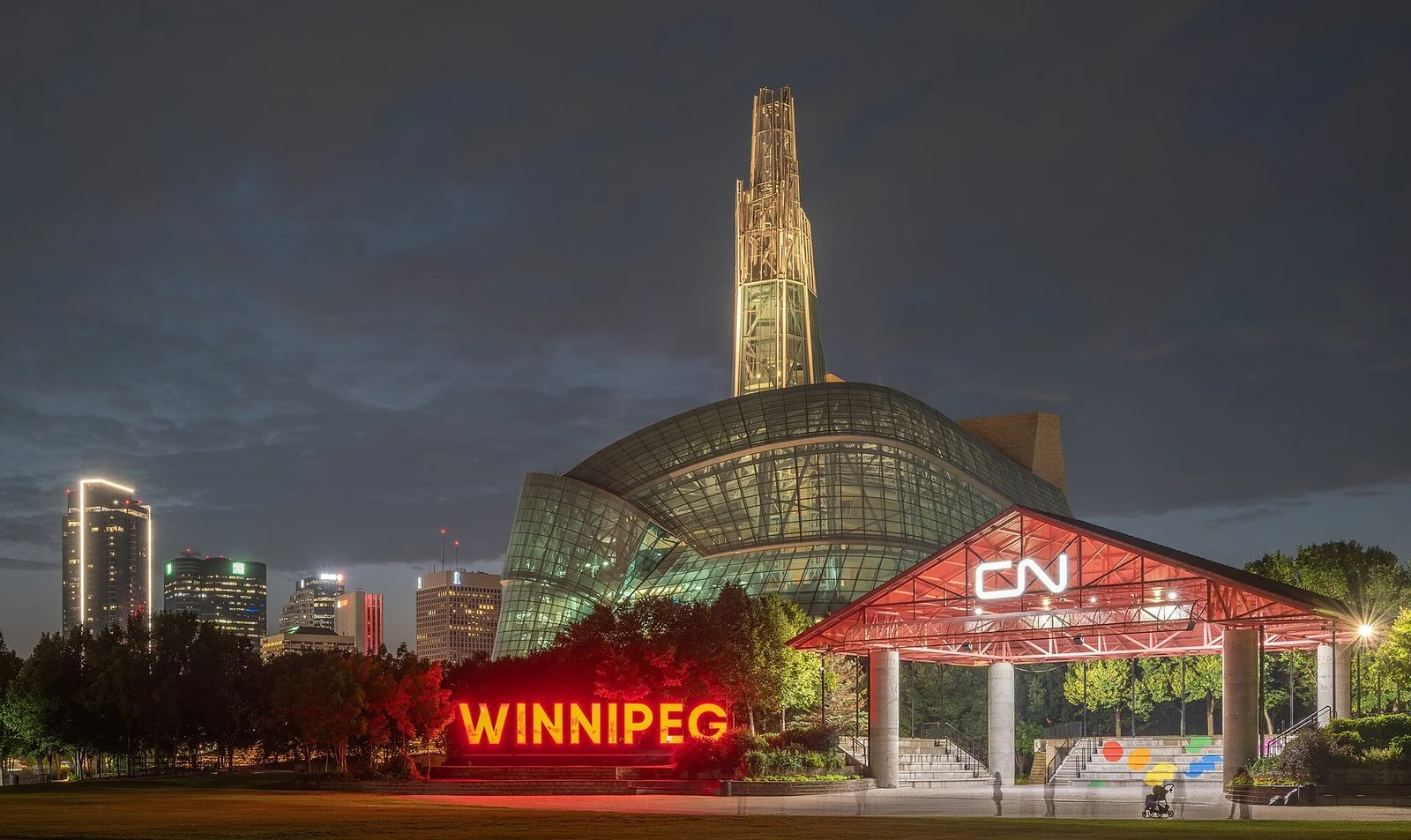
Winnipeg news: The Winnipeg street census began on Monday, as End Homelessness Winnipeg started counting people without homes across the city, and the number it lands on will shape how $1 billion in federal money gets spent.
By Maplestime Winnipeg Desk | Winnipeg, Manitoba | November 17, 2026
Sources: CBC Manitoba, CTV News Winnipeg, End Homelessness Winnipeg | Last updated: November 17, 2026
Quick Answer: The Winnipeg street census is a Point in Time count run by End Homelessness Winnipeg that began November 16, 2026. Outreach teams are surveying people sleeping outside while shelter data is collected too. The count gives the city its best picture of homelessness, and it underpins the case for $1 billion in federal funding for homes and support services.
Key Takeaways
- The Winnipeg street census began Monday, November 16, combining shelter night data with outreach surveys of unsheltered people.
- The last census, in November 2024, found at least 2,469 people over five days.
- A federal database error forced a major correction this year: the long term homeless estimate fell from about 4,400 to 436.
- Ottawa has pledged $1 billion, with $800 million to build more than 2,000 homes and $200 million for mental health and addictions centres.
- Premier Wab Kinew has set a goal of ending long term homelessness in Manitoba by 2031.
What the Winnipeg street census actually counts
The Winnipeg street census is not a guess. It is a Point in Time count, and it works by pairing two kinds of data collected in the same window. Shelters report who slept in their beds, and outreach teams fan out across the city to survey people who are sleeping outside, in encampments, in vehicles, and in other places not meant for human habitation.
That pairing matters, because shelter numbers alone always undercount the problem. People who avoid shelters, or who cannot get a bed, simply do not show up in a shelter report. The street teams exist to find them, and the count only works if both halves are done together.
End Homelessness Winnipeg began the November 2026 count on Monday, November 16. The results will feed directly into planning for housing, outreach, and support services across the city.
Why the last count had to be corrected
The last Winnipeg street census, held in November 2024, found at least 2,469 people over five days. That number became the baseline for the city, and it was quoted for months as the scale of the crisis.
Then came the correction. In March 2026, the long term homeless estimate stood at about 4,400. That figure was later corrected down to 436 after an error was found in HIFIS, the federal homelessness database, in July 2026, with the correction reported in October 2026. The number of people accessing services was also corrected, from about 8,200 down to 2,231.
The correction was embarrassing, and it was also necessary. A count that overstates the problem by that much sends money and staff to the wrong places. This November, the census carries extra weight precisely because the last set of numbers had to be walked back. Getting this one right is not a technical detail. It is the foundation for every funding decision that follows.
What $1 billion would build
The federal pledge attached to this work is $1 billion. Of that, $800 million is earmarked to build more than 2,000 new homes, and $200 million is set aside for mental health and addictions centres.
That split tells you how Ottawa sees the problem. Bricks alone do not end homelessness. People who have spent months or years outside often need treatment, counselling, and steady support alongside a roof, and the funding is structured to pay for both.
Premier Wab Kinew has tied the effort to a clear deadline: ending long term homelessness in Manitoba by 2031. It is an ambitious target, and it will be judged against counts like this one. If the November 2026 census shows the number falling, the plan has momentum. If it rises, the questions will be sharper.
What happens next
The count wraps up this week, and the results will take time to compile and verify. End Homelessness Winnipeg will publish the findings once the data is checked, and the numbers will shape budget debates at city hall and in the legislature.
For now, the work is on the streets. Volunteers and outreach workers are out in November cold, knocking on tent flaps and counting people most Winnipeggers never see. The census is only as good as their reach, and their reach depends on trust built over years.
Frequently asked questions
What is the Winnipeg street census?
It is a Point in Time count run by End Homelessness Winnipeg. Shelter data and outreach surveys of unsheltered people are combined to estimate how many people in Winnipeg are without homes.
How many people were counted last time?
The November 2024 census found at least 2,469 people over five days. A separate long term homeless estimate was later corrected from about 4,400 down to 436 after a federal database error.
What is the $1 billion for?
Ottawa has pledged $1 billion, with $800 million to build more than 2,000 new homes and $200 million for mental health and addictions centres, as part of the push to end long term homelessness in Manitoba by 2031.
Maplestime will provide updates from the Winnipeg street census as announcements are made.
Have a tip about the Winnipeg street census? Email [email protected]
Have a correction? Email [email protected]
Do you believe the new count will finally give Winnipeg honest numbers, or will the $1 billion be spent before anyone knows the real scale of the crisis? Tell us in the comments. And share this with every Winnipegger who wants the homelessness plan built on facts, not guesses.
Enjoying Maplestime? Support independent Canadian journalism — no paywall, no corporate owners.