



Canadian infrastructure news — Ottawa has awarded a $7.3-million contract for a land-based holding basin at P.E.I.’s Wood Islands ferry terminal, giving the seasonal crossing a permanent onshore answer to a dredging problem that has worried the local fishing community for years.
By Maplestime Business Desk | Wood Islands, Prince Edward Island | October 24, 2026
Sources: Transport Canada, CNW Newswire | Last updated: October 24, 2026
Key Takeaways
- Transport Canada has awarded a $7.3-million contract to Sani-Sable, a Quebec-based company, for a land-based holding basin at the Wood Islands ferry terminal.
- The basin, roughly 150 m by 280 m with capacity close to 125,000 cubic metres, will hold and filter sediment from routine maintenance dredging.
- The project answers community concerns about disposal at sea and its impact on local livelihoods, including the fishing community.
- Construction is expected to begin in November 2026 and finish before ferry service resumes in spring 2027, with no expected interruption to service.
The announcement was made October 23, 2026, at Wood Islands, P.E.I., by Kody Blois, MP for Kings-Hants and Parliamentary Secretary to the Prime Minister, on behalf of Transport Minister Steven MacKinnon. The contract is specifically for the holding basin, not a general terminal upgrade, and it lands after a request for proposals launched August 19, 2026.
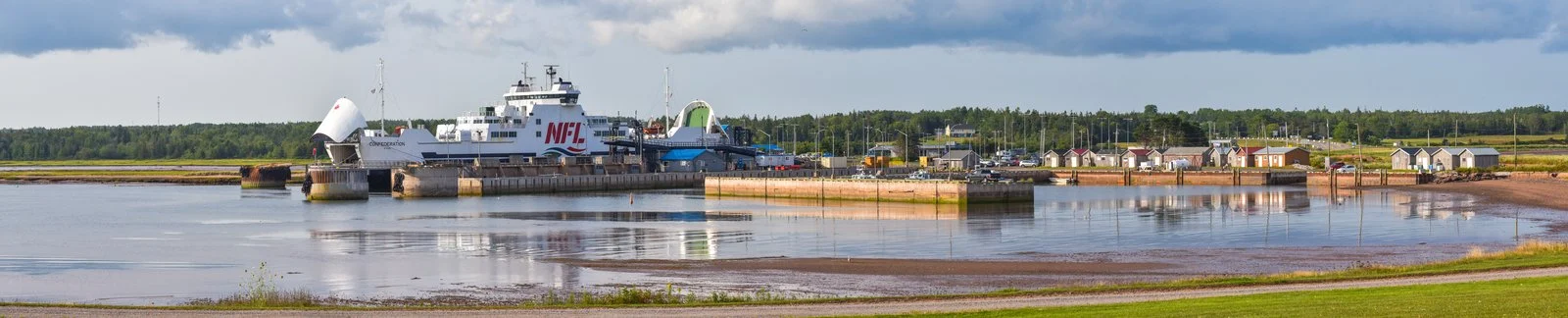
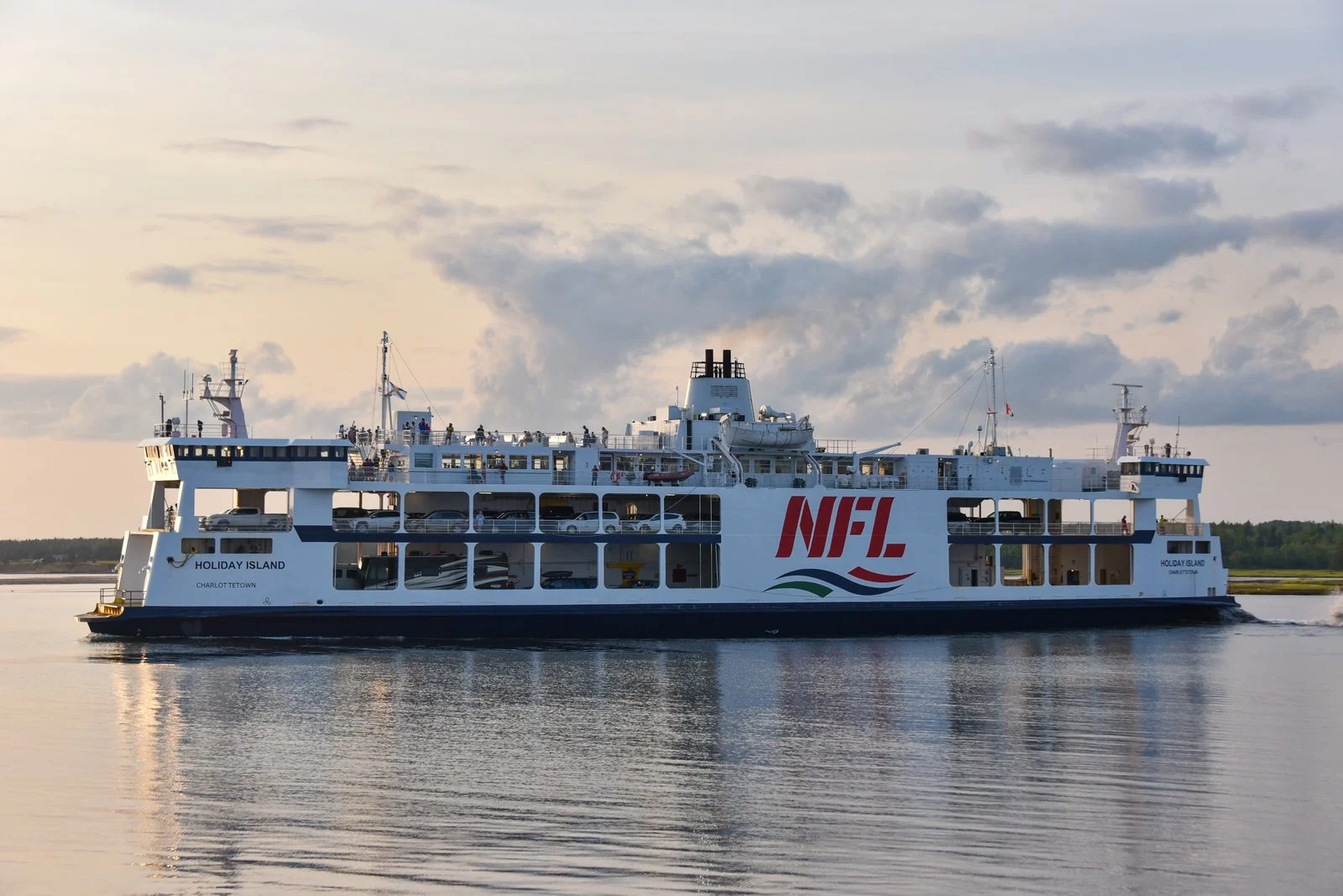
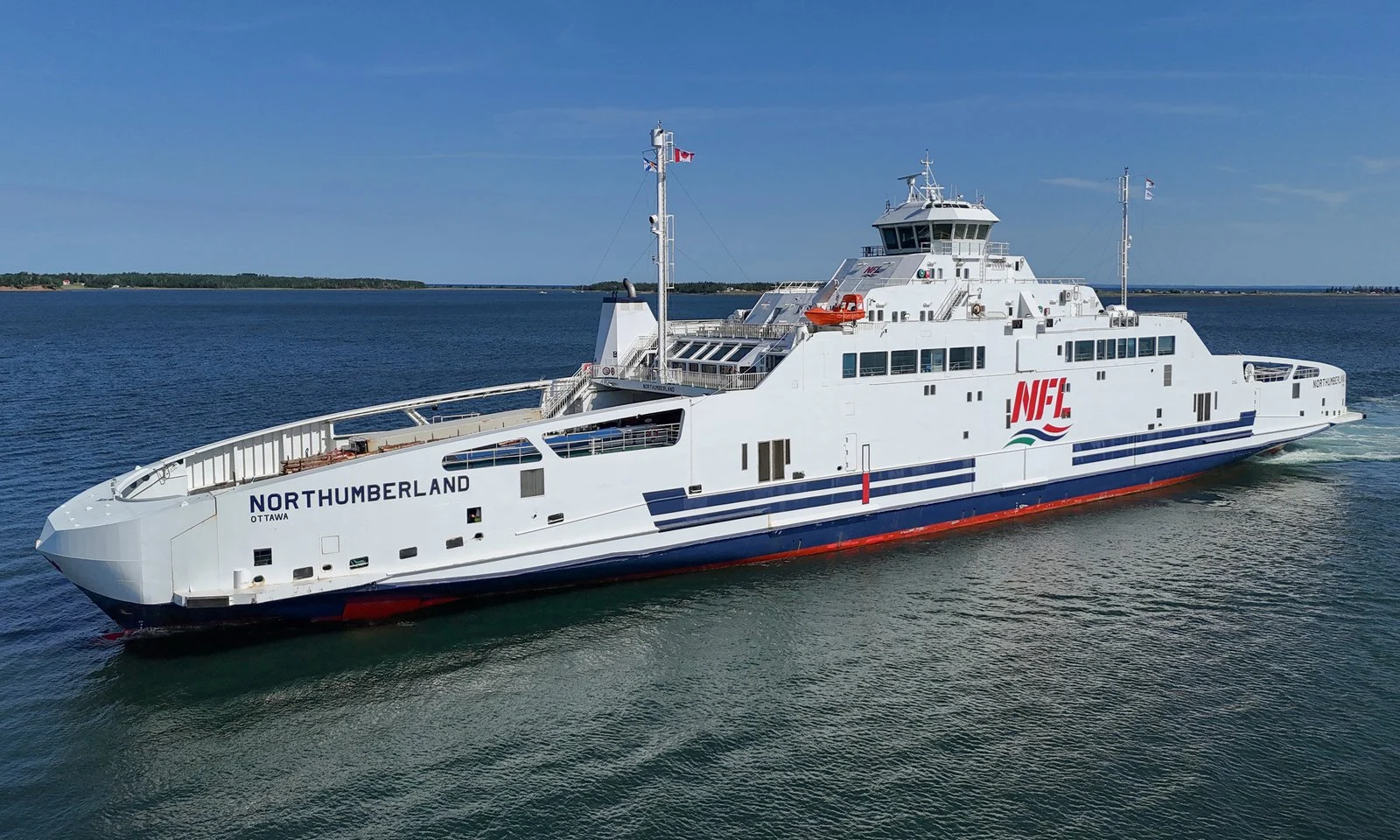
For a small terminal on P.E.I.’s southeastern shore, this is a big piece of infrastructure. The Wood Islands ferry runs a seasonal service between Wood Islands, P.E.I., and Caribou, Nova Scotia, and keeping that route open takes regular work below the waterline.
What the Wood Islands ferry Project Will Build
The basin will sit on federal property west of the Wood Islands ferry terminal. It will be approximately 150 m by 280 m, with a capacity close to 125,000 cubic metres, and its job is straightforward: hold sediment pulled up by routine dredging and filter it on land, rather than sending it back into the sea.
Regular maintenance dredging is needed to maintain safe access for ferry vessels at Wood Islands. Without it, the channel silts up and the boats that carry passengers, cars and commercial vehicles across the Northumberland Strait cannot get in and out safely. The basin gives that dredging a permanent, onshore home.
Why the Basin Matters to the Fishing Community
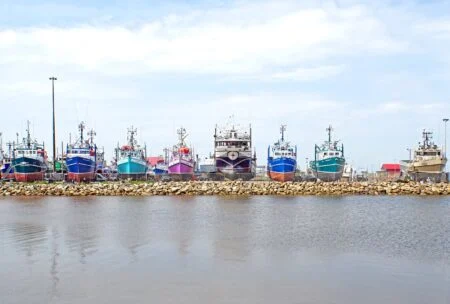
The project responds directly to community concerns about disposal at sea and its impact on local livelihoods. For people who fish these waters, what happens to dredged sediment is not an abstract environmental question. It is about the grounds they work and the living they make from them.
Blois put it plainly at the announcement:
“This project demonstrates that the Government of Canada has listened and is taking action. The holding basin is a practical solution that reflects feedback from the local fishing community while supporting an essential ferry connection for the community.” — Kody Blois, Member of Parliament for Kings-Hants and Parliamentary Secretary to the Prime Minister.
That line matters because it frames the basin as a compromise that actually holds: the ferry keeps running, the dredging keeps happening, and the sediment stays on land where it can be managed.
A Timeline Built Around the Ferry Season
Construction is expected to begin in November 2026 and finish before service resumes in spring 2027. Most of the work will happen in the off-season, and no interruption to ferry service is expected. That sequencing is the whole point. A seasonal ferry cannot afford a construction project that eats into the months when it earns its keep, so the work is fitted around the sailing calendar, not the other way around.
A Crossing That Punches Above Its Weight
The Wood Islands route is one of three federally supported Eastern Canada ferry services, and together those three services contribute about $265 million to the Canadian economy every year. Between 2022-23 and 2025-26, they carried an annual average of about 574,000 passengers, 216,000 passenger vehicles and 19,500 commercial vehicles.
Those numbers explain why a $7.3-million basin at one terminal is worth a federal announcement. The crossing is not just a convenience for Islanders and Nova Scotians. It is a working piece of the region’s transport system, moving people, cars and freight every season, and it only works if the boats can reach the dock.
Ottawa listened, the community spoke up, and the sediment now has somewhere to go. The test will be whether the basin is finished on time for spring sailings, and whether the fishing community sees the difference it was promised.
Maplestime will provide updates from the Wood Islands ferry terminal holding basin project as announcements are made.
Have a tip about the Wood Islands ferry terminal holding basin project? Email [email protected]
Have a correction? Email [email protected]
Is a land-based holding basin the right fix for the Wood Islands ferry, or should Ottawa have acted on disposal at sea years ago? Tell us in the comments. And share this with every Canadian who cares about how small coastal communities get heard.
Enjoying Maplestime? Support independent Canadian journalism — no paywall, no corporate owners.