


Canadian labour news — five provinces raised their minimum wage on October 1, and Alberta didn’t move a cent: $15 an Hour, exactly where it has sat since October 2018. That makes Alberta the only province or territory in Canada that left its rate untouched this year, and the gap between Alberta workers and their neighbours just got wider. The question is simple: is a frozen wage smart stability — or is $15 an Hour a pay cut wearing a costume?
By Maplestime News Desk | Edmonton, Alberta | October 4, 2026
Sources: HashTag Investing, Canadian Federation of Agriculture | Last updated: October 4, 2026
Key Takeaways
- Effective October 1, 2026, five provinces raised their minimum wage: Ontario $17.60 to $17.95, Manitoba $16.00 to $16.40, Saskatchewan $15.35 to $15.70, Nova Scotia $16.75 to $17.00, and P.E.I. $17.00 to $17.30.
- Alberta’s general minimum wage stays at $15 an Hour — unchanged since October 2018 — making it the only province or territory that did not raise its rate this year.
- Ontario’s student minimum wage also rose, to $16.90 an hour, and P.E.I. has a further increase scheduled to $17.60 on April 1, 2027.
- Full-time, the October 1 hikes add roughly $520 to $832 a year before tax, depending on the province.
- “These changes reflect a balanced, responsible approach that helps workers keep more money in their pockets while supporting predictability for employers,” said Nolan Young, Nova Scotia’s Minister of Labour, Skills and Immigration.
- Nova Scotia’s increase is its second of 2026; Manitoba’s 40-cent bump tracks 2025 inflation.
What Changed on October 1
The October 1 wave was the biggest single-day wage movement of the year. Ontario’s 35-cent increase to $17.95 — tied to roughly 1.9% inflation — affects more than 700,000 workers. Manitoba moved from $16.00 to $16.40. Saskatchewan went $15.35 to $15.70. Nova Scotia’s move to $17.00 was its second raise of 2026. And P.E.I.’s jump to $17.30 comes with a built-in sequel: $17.60 on April 1, 2027.
Put simply: almost everywhere in Canada, the floor moved up this week. Except Alberta.
Alberta’s $15 an Hour Standstill
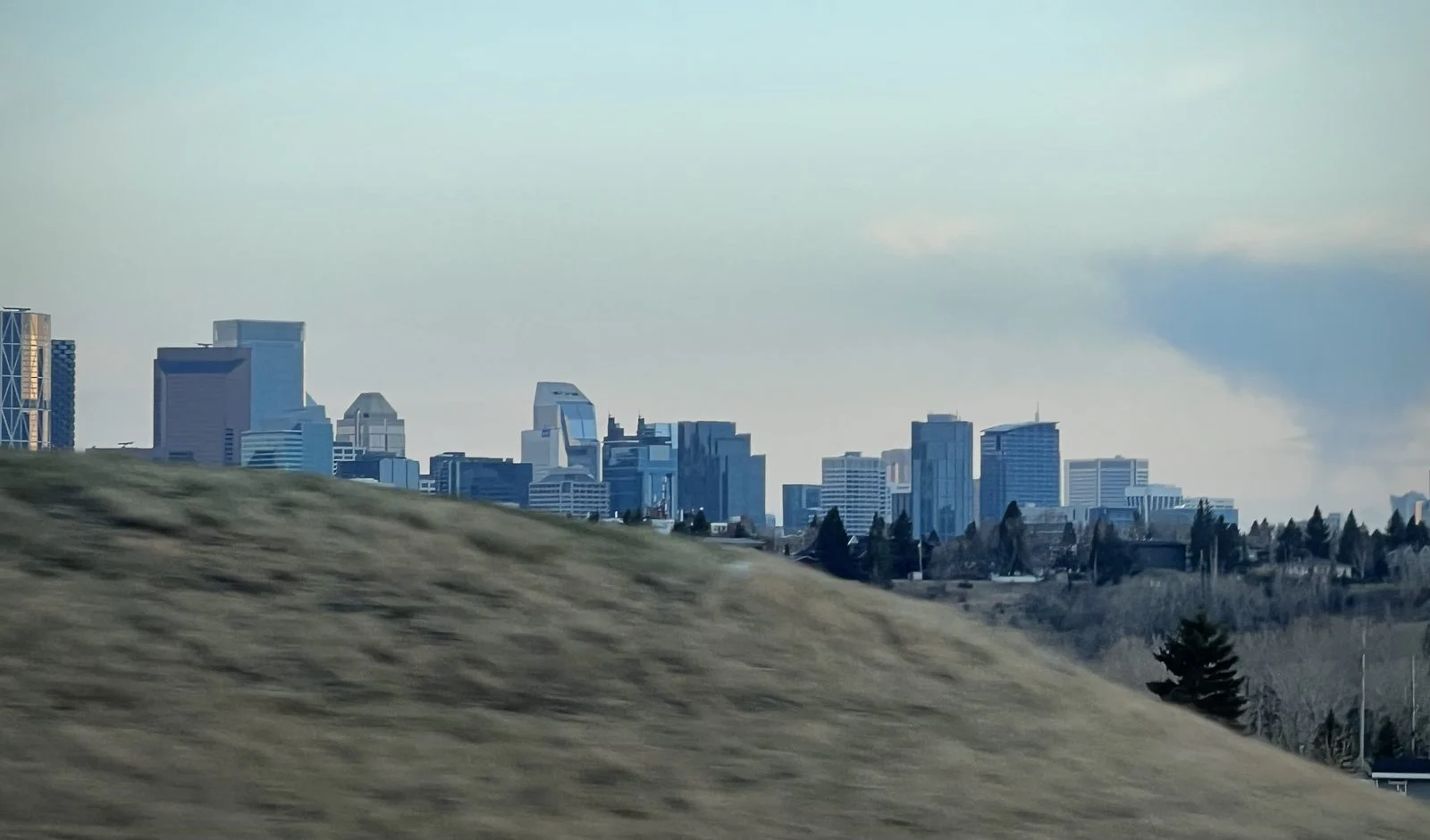
Eight years is a long time for a wage to sit still. Alberta’s $15 an Hour rate was a national headline when it arrived in October 2018 — at the time, it was the highest in the country. Today it is the lowest general rate in Canada, and the purchasing power of $15 an Hour in 2026 is not the purchasing power of $15 an Hour in 2018. Every province around it has moved; Alberta has not.
The government’s long-standing argument is predictability for employers: a stable floor lets businesses plan. Critics answer that a frozen wage is a real-terms cut, paid for by the lowest-paid workers in the province — the servers, retail clerks and cleaners for whom a 40-cent raise is not an abstraction but groceries.
Related: Alberta Fuel Tax Cut 2026
What $520 to $832 a Year Means
Run the math on the October 1 hikes: a full-time minimum-wage worker in the five provinces that moved just gained roughly $520 to $832 a year before tax. That is not life-changing money, but it is real money — a month of transit passes, a winter’s worth of heating bills, the difference between scraping by and falling behind.
An Alberta worker at $15 an Hour gained none of it. Eight years of inflation ate the rest.

The Predictability Argument
There is an honest case on the other side, and it deserves airtime. Small businesses run on thin margins, and a government that telegraphs stability instead of surprise gives owners room to hire, invest and keep prices down. Nova Scotia’s Nolan Young framed his province’s increase as exactly that balance — more money in workers’ pockets, predictability for employers.
But balance is a two-sided word. Alberta has now chosen the employer side of it eight years running. The $15 an Hour line in the sand has become a trench, and the workers on the other side are wondering when — or whether — anyone plans to climb out.
Maplestime will provide updates from minimum wage changes across Canada as announcements are made.
Have a tip about minimum wage in Canada? Email [email protected]
Have a correction? Email [email protected]
Should Alberta finally raise its wage — or is $15 an Hour fine as long as the jobs are there? Tell us in the comments. And share this with every Canadian earning by the hour.
Enjoying Maplestime? Support independent Canadian journalism — no paywall, no corporate owners.