

B.C. election news — NDP Leader David Eby stood outside a Save-On-Foods in Kelowna on Friday and unveiled a Grocery Price Guard that would cap profit margins on grocery essentials, a promise he says could save a B.C. family of four up to $700 a year. With the October 24 snap election three weeks out, the only question that matters is this: real relief at the till, or a reheated promise from the man who cancelled the $1,000 grocery rebate?
By Maplestime News Desk | Kelowna, British Columbia | October 4, 2026
Sources: Europe Says, The Canadian Press | Last updated: October 4, 2026

Key Takeaways
- NDP Leader David Eby’s Grocery Price Guard would cap retail profit margins on grocery essentials: milk, eggs, cheese, butter and poultry.
- The package also forces clear per-unit pricing to fight shrinkflation, bans surveillance pricing, bans real-estate controls that block grocery competition, and builds a federal food terminal in the Lower Mainland for independent grocers.
- NDP figures: a B.C. family of four now spends more than $17,500 a year on groceries, up more than 25% in five years; the package could save customers up to $700 a year.
- The Weston and Pattison families — the names behind Loblaw and Save-On-Foods — grew their combined wealth by $4.4 billion in 2025, while grocery prices sit 27% higher than five years ago.
- Conservative candidate Peter Milobar’s counter: Eby “broke his word by cancelling a $1,000 grocery rebate he promised last election, and now he wants a fresh mandate.”
- The BC Greens’ weekend answer for seniors: greater monthly rental assistance for low-income seniors plus vacancy control for assisted living facilities.
The Grocery Price Guard, Explained
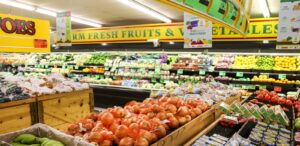
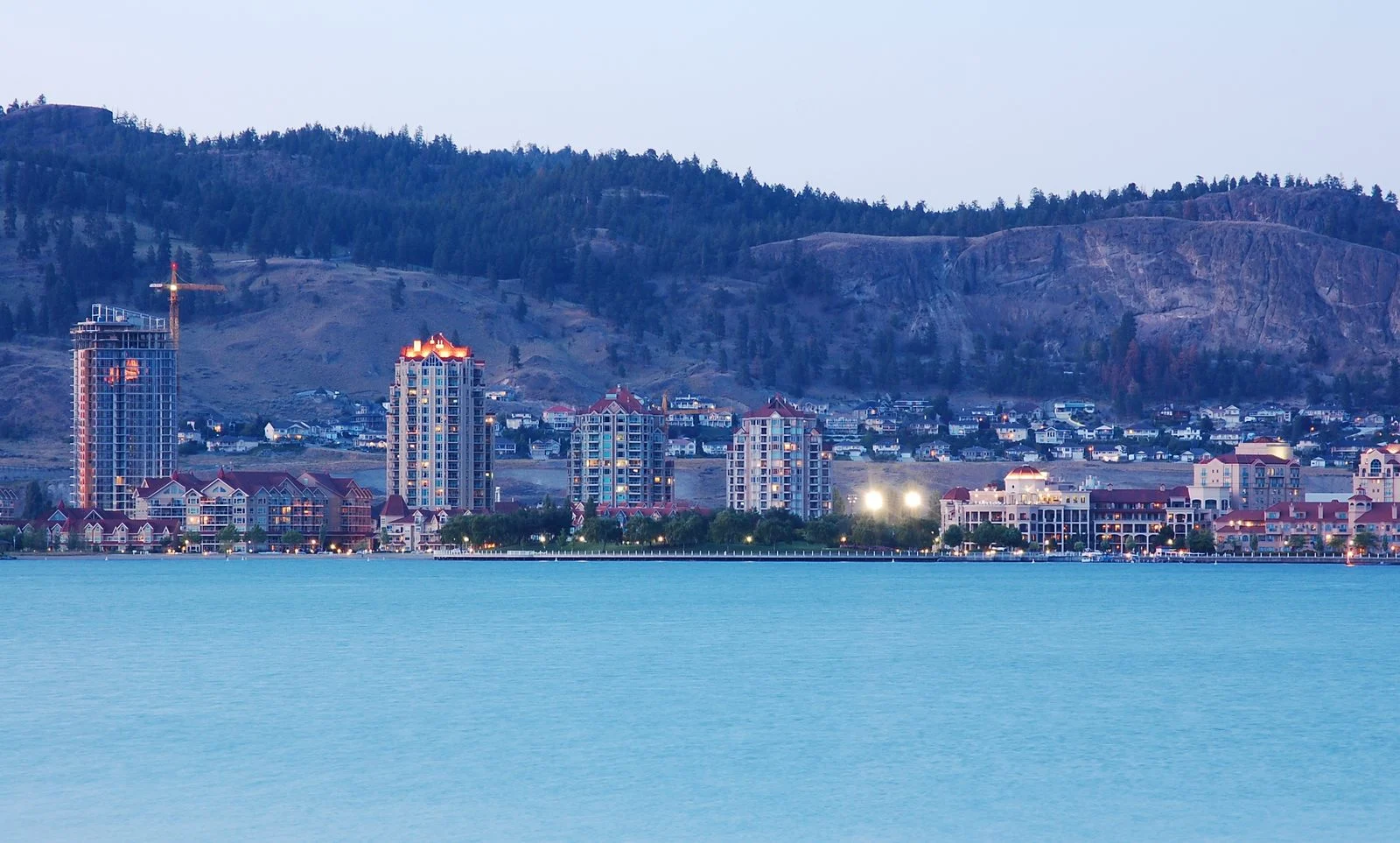
The Grocery Price Guard is Eby’s headline affordability play for the final three weeks of the campaign. Announced Friday outside the Kane Road Save-On-Foods in Kelowna, the plan targets what the NDP calls the real driver of grocery pain: not just inflation, but margins. “Every week, it feels like groceries are more expensive,” Eby said. “Families are being squeezed every time they go to the store because corporate retailers are using inflation as a cover to jack up prices on essential goods.”
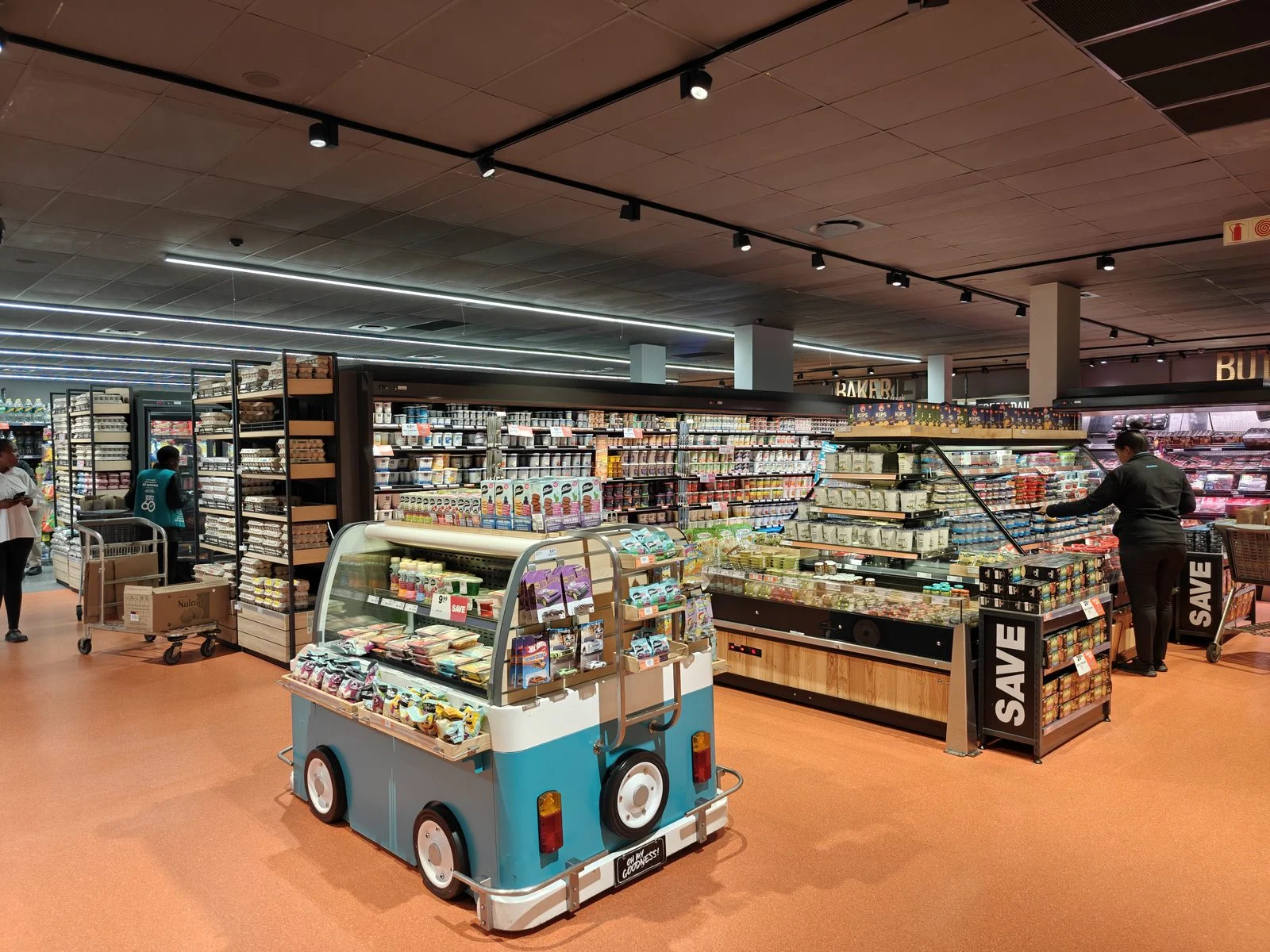
Under the plan, a re-elected NDP government would cap what the big grocery companies can earn on the basics. “We’re going to cap the profits of the big grocery companies… for the basics, for your cheese, for your eggs, for your butter, for your milk, that you and your family are protected at the till as you check out,” Eby told the Kelowna crowd. He backed it with stark numbers: grocery prices 27% higher than five years ago, and the Weston and Pattison families $4.4 billion richer in 2025 alone.
What Else the Package Includes
Margin caps are the headline, but the Grocery Price Guard bundle is broader. Per-unit pricing rules would make shrinkflation — the same price for a smaller package — impossible to hide. A ban on surveillance pricing would stop retailers from tailoring prices to individual shoppers’ data. And by banning real-estate controls that block rival grocers from opening nearby, plus building a federal food terminal in the Lower Mainland for independent grocers, the NDP says it is attacking the lack of competition that lets the big chains charge what they like.
On Saturday in Grand Forks, Eby added a clarification that drew its own attention: the pledge targets multiple major grocers, he said, and is not aimed deliberately at Save-On-Foods owner Jim Pattison — notable, given the Friday announcement’s choice of venue.
Related: Canada Grocery Prices 2026
The Broken-Rebate Attack
The Conservatives are not letting the pledge breathe. Candidate Peter Milobar went straight for Eby’s record: Eby “broke his word by cancelling a $1,000 grocery rebate he promised last election, and now he wants a fresh mandate.” It is the sharpest line of the campaign so far on affordability, and it lands because it is verifiable — the rebate was promised, then cancelled.
Meanwhile, Conservative interim leader Lorne Doerkson spent Friday in Summerland with a very different big-ticket promise: $500 million for a Crown-owned water-bomber fleet equipped with AI, plus an innovation fund — a bid to own the wildfire file while Eby owns the grocery aisle.
What Happens Next
Three weeks to October 24, and the affordability battle lines are drawn: margin caps and competition rules from the NDP, a credibility attack on the broken rebate from the Conservatives, and a seniors-housing pitch from the Greens. Voters will decide whether the Grocery Price Guard is a genuine fix for a $17,500-a-year grocery bill — or just the campaign’s most expensive-sounding promise.
Maplestime will provide updates from the B.C. election campaign as announcements are made.
Have a tip about the B.C. election? Email [email protected]
Have a correction? Email [email protected]
Do you believe a Grocery Price Guard would actually lower your grocery bill — or will the big grocers just find a new way to squeeze you at the till? Tell us in the comments. And share this with every Canadian watching the grocery bill climb this election season.
Enjoying Maplestime? Support independent Canadian journalism — no paywall, no corporate owners.