


Grocery prices — grocery inflation cooled to 2.8% in August, the first time in more than two years it came in below Canada’s overall inflation rate, Statistics Canada reported on September 14. Dairy barely moved at 0.7%. But your grocery bill is still 29% higher than it was in August 2021 — and fruit just got more expensive again.
By Maplestime Money Desk | Winnipeg, Manitoba | September 20, 2026
Sources: Bank of Canada Odds / StatCan, ToDoCanada / StatCan, Ratehub / StatCan, WOWA / StatCan | Last updated: September 20, 2026
Key Takeaways
- Food bought from stores rose 2.8% year over year in August 2026 — the first time since July 2024 that grocery inflation ran below the headline 3.0% CPI, per Statistics Canada’s September 14 release.
- Dairy drove the slowdown: up just 0.7% after a 3.1% jump in July. Cheese and yogurt were the main reasons, and cereal prices actually fell 1.7%.
- Fresh fruit went the other way: up 4.7% in August, with berries and melons behind the biggest July monthly jump since 2011.
- The long view is brutal: grocery prices are 29.0% higher than in August 2021, and food outpaced overall inflation for 18 straight months before August’s break.
Canada Grocery Prices 2026: The September Turning Point
For the first time since July 2024, groceries are no longer the thing dragging Canadian inflation upward — they are running cooler than the headline rate. Food from stores rose 2.8% in the year to August, while overall inflation held at 3.0%. That’s the genuine good news in the September 14 data.
The not-good news is what came before it. Grocery inflation outpaced headline inflation for 18 consecutive months, from early 2025 through July 2026. In June it was running at 3.9%; in July, 3.1%. Canadian households have now lived through a year and a half when the supermarket got more expensive faster than almost everything else. A cooling number doesn’t lower the price of anything — it just means the climb got gentler.
What’s Getting Cheaper (or at Least Slowing Down)
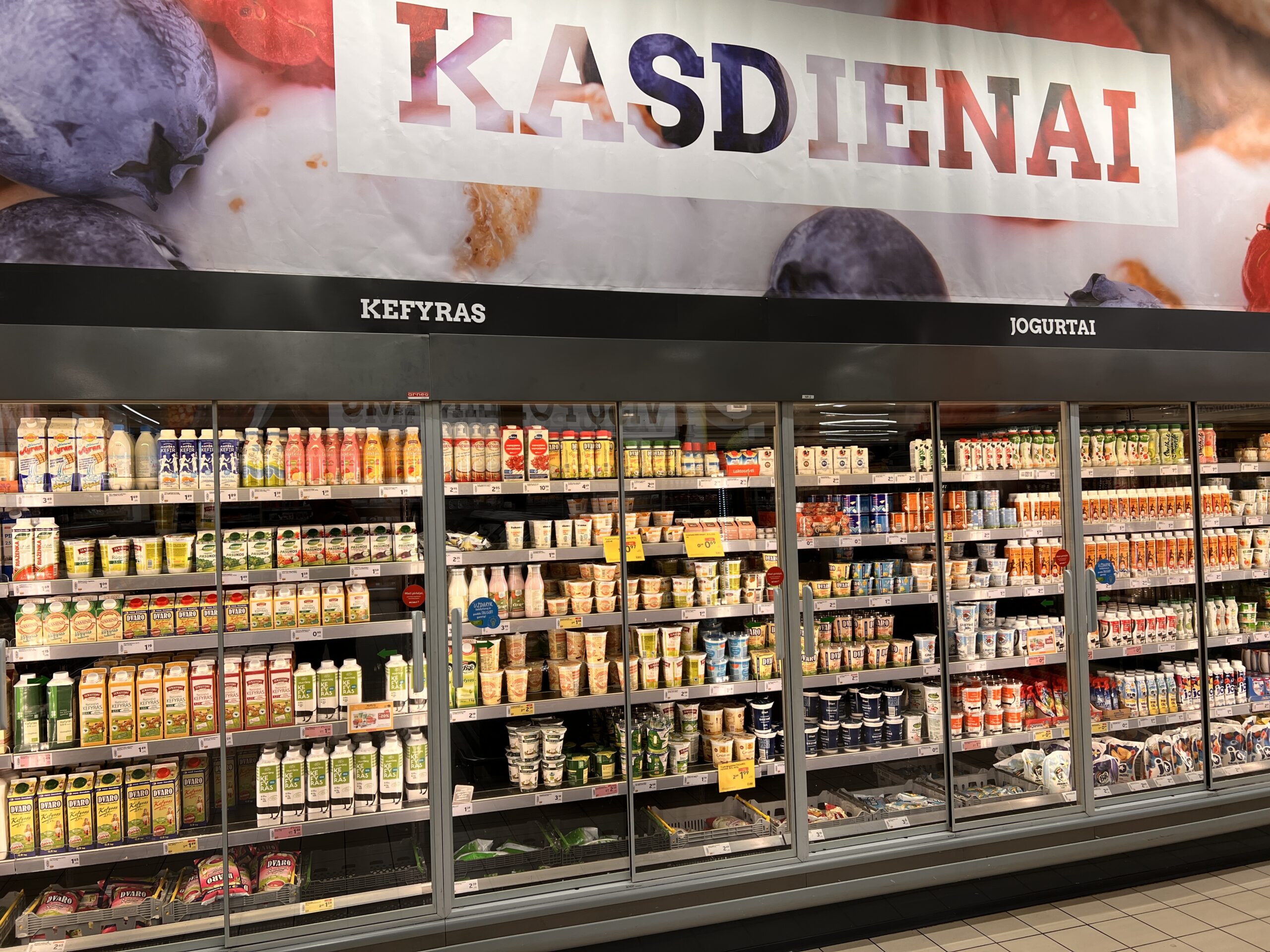
- Dairy: up only 0.7% year over year in August, collapsing from 3.1% in July. Cheese and yogurt led the slowdown — the single biggest relief item in the whole report.
- Cereal products: prices fell 1.7% year over year, one of the only outright declines in the grocery aisle.
- Chicken: fresh or frozen chicken was nearly flat at 0.3% in July, and fresh vegetables slowed to 3.9%.
- Pork and condiments: up 1.6% and 0.7% respectively in August — barely a blip.
What’s Still Hurting
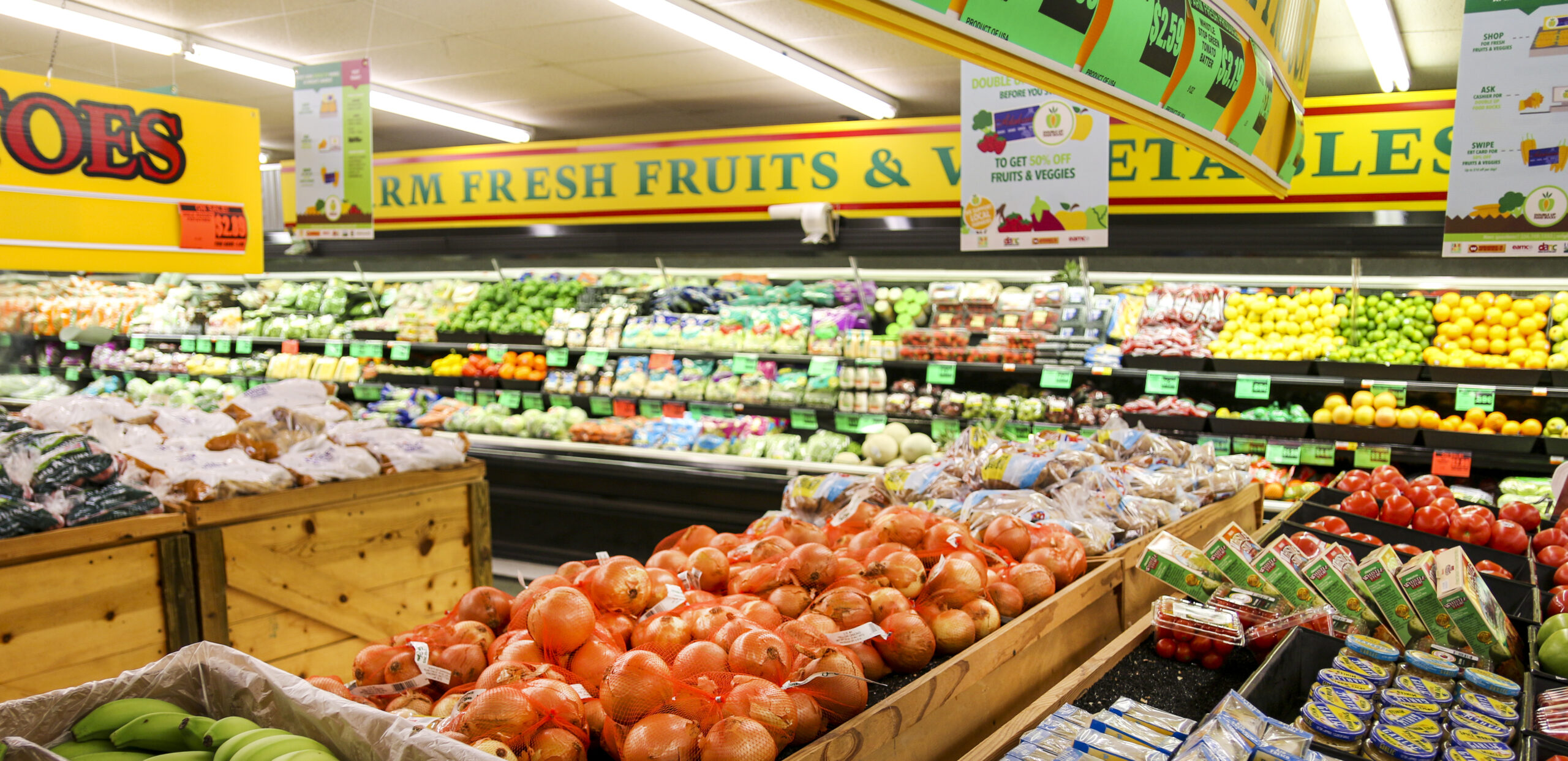
- Fresh fruit: up 4.7% in August, after a 6.1% year-over-year surge in July. Prices jumped 4.7% in a single month from June to July — the largest July monthly increase since 2011 — driven by berries and melons.
- The 2021 comparison: grocery prices are 29.0% higher than they were in August 2021. A cart that cost $200 five years ago now costs about $258, and that compounding is baked in permanently.
- Restaurants: food purchased from restaurants rose 3.1% in August, so eating out is outpacing the grocery aisle’s slowdown.
Why Your Bill Isn’t Falling
Headline inflation held at 3.0% in August, unchanged from July, and energy is doing most of the damage: gasoline is up 22.8% year over year, and the broader energy index rose 15.4%. Fuel costs flow straight into food — transport, refrigeration, packaging — which is why even “good” grocery news arrives with an asterisk. Strip out gasoline and underlying inflation was 2.4%, up from 2.2% in July.
The other structural problem: nothing in the data suggests prices will retreat. Dairy slowed because of specific supply conditions, not because the underlying cost of producing food in Canada fell. With rent inflation accelerating to 2.8% and auto insurance up 5.5%, the household budget squeeze is just moving from the grocery aisle to other line items.
The Bottom Line at the Checkout
August’s report is the first genuinely hopeful entry in the Canada Grocery Prices 2026 story in two years — dairy flatlining at 0.7% is real relief, and 2.8% food inflation is manageable on paper. But hopeful is not the same as fixed. You’re still paying nearly a third more than you did in 2021, fruit is climbing again, and energy prices are working their way through everything. Shop the dairy case, skip the berries, and don’t mistake a slower climb for a way back down.
Maplestime will provide updates on Canada grocery prices as new data is released.
Have a tip about Canada grocery prices? Email [email protected]
Have a correction? Email [email protected]
Have you actually noticed your grocery bill getting any easier — or is 2.8% just a number on a Statistics Canada chart while your cart still costs the same? Tell us in the comments. And share this with every Canadian who does the grocery run.
