




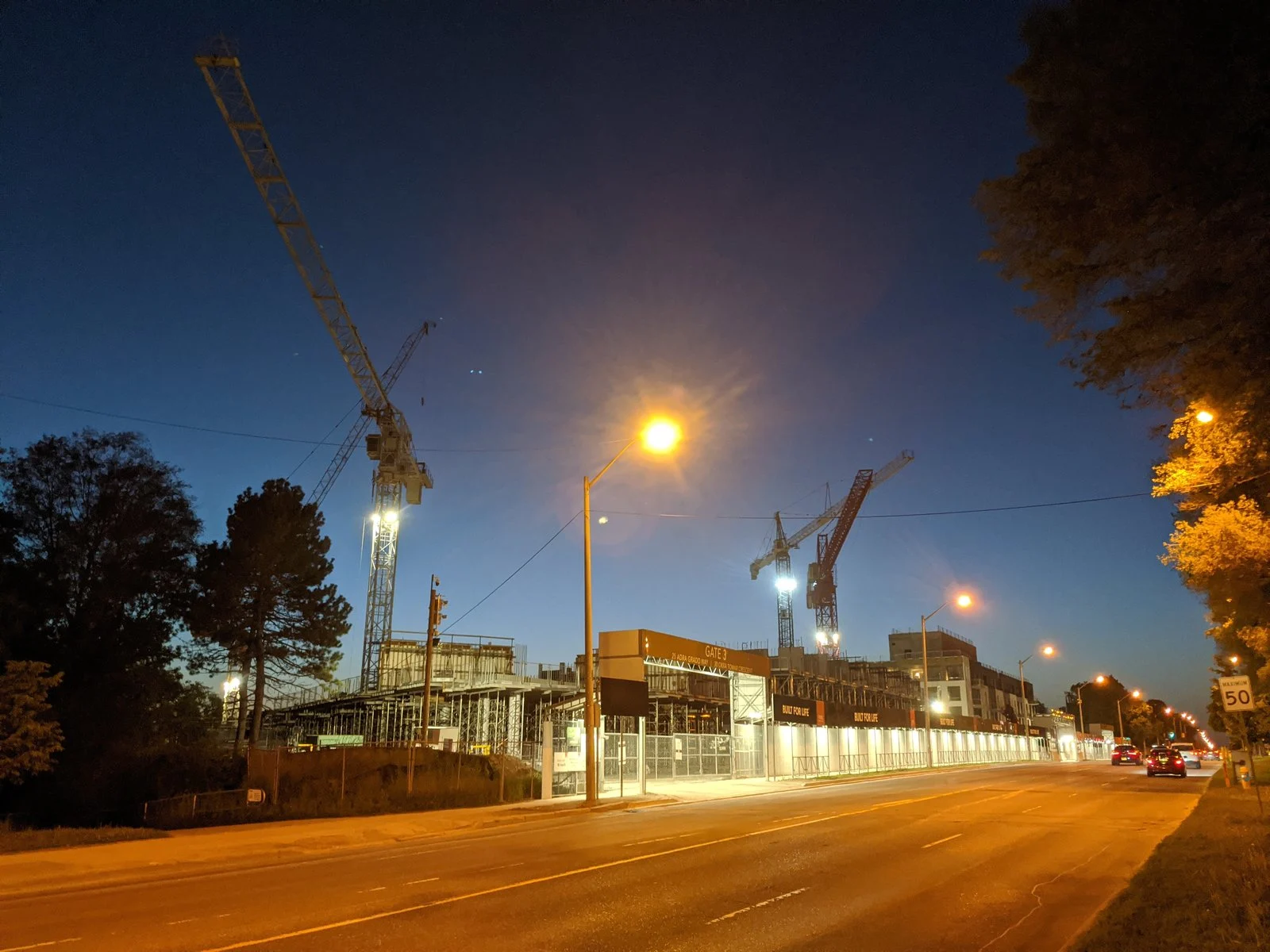
Canadian business news: Canada Housing Starts fell sharply this summer, and Ontario is almost the entire story. Toronto starts collapsed by nearly half, and three more Ontario cities lost more than 60 percent of their new home starts. The cranes are still up, but the pipeline behind them is thinning fast.
Canada Housing Starts fell 8.9 percent in the third quarter of 2026, dropping to 57,947 actual starts in centres of 10,000 or more people, down from 63,622 a year earlier. Ontario accounted for nearly the whole national decline, with starts down 32 percent, while Toronto fell 45 percent as weak condo presales stalled new projects.
By Maplestime News Desk | Winnipeg, Manitoba | November 11, 2026
Sources: Wood Industry, CMHC Housing Market Information Portal | Last updated: November 11, 2026
Key Takeaways
- National starts fell 8.9 percent: actual starts in centres of 10,000 or more people dropped from 63,622 in Q3 2025 to 57,947 in Q3 2026.
- The drop was almost all multifamily: single detached starts slipped just 1.5 percent, while all other dwelling types fell 10.6 percent, about 97 percent of the total reduction.
- Ontario drove the decline: provincial starts fell 32 percent, a loss of 6,302 units, nearly as large as the net decrease across all ten provinces combined.
- Toronto led the city declines: starts fell 45 percent, from 7,554 to 4,172. Hamilton fell 73 percent, London 62 percent, and Kitchener, Cambridge and Waterloo 81 percent.
- Ottawa Gatineau was the exception: starts there rose 39 percent while most Ontario cities fell hard.
- Builder confidence is bleak: multifamily confidence sat at just 15.0 out of 100 in Q2 2026, with 74 percent of multifamily builders rating current selling conditions poor.
What do the Canada Housing Starts numbers actually show?
The quarter did not fall in a straight line. July was the worst month, with starts down 15 percent year over year. August steadied with a 1 percent rise. September slid again, down 11 percent. The pattern points to a market that wobbled all summer rather than one hit by a single shock. The Canada Housing Starts data shows the weakness was broad, not local.
The composition of the decline matters more than the headline. Single detached starts barely moved, slipping from 11,804 to 11,622, a drop of just 1.5 percent. Every other dwelling type fell from 51,818 to 46,325, a decline of 10.6 percent. Those 5,493 fewer starts in all other dwelling types accounted for about 97 percent of the overall reduction. This is a multifamily story, not a story about Canadians giving up on detached houses.
That distinction shapes what comes next. Larger multifamily projects take longer to plan, finance and build, so a weak quarter for starts now means fewer homes reaching the market well into 2027 and beyond.
Why did Ontario fall so hard?
Ontario is where the national story was decided. All areas starts in the province fell from 19,748 to 13,446, down 32 percent. The loss of 6,302 units was nearly as large as the net decrease across all ten provinces combined, because gains in Alberta and Quebec partly offset Ontario’s contraction. No other province came close to matching Ontario’s drag on the Canada Housing Starts total.
CMHC points to poor condominium presales and a substantial pullback in ownership development in Toronto. Buyers are not committing to new condos at the pace developers need to justify breaking ground, so projects stall before they start. Toronto starts fell from 7,554 to 4,172, down 45 percent. Hamilton fell 73 percent, from 1,173 to 318. London fell 62 percent, from 1,622 to 616. Kitchener, Cambridge and Waterloo fell 81 percent, from 2,294 to 438.
The picture was not uniformly grim. Ottawa Gatineau, a metropolitan area spanning Ontario and Quebec, rose 39 percent. Kingston jumped from 60 to 155 starts. Those exceptions are a reminder that Ontario is not one housing market, and the pain is concentrated where condo presales were weakest.
Related: Rent Comparison Winnipeg Vs Toronto 2026 — Where $1,500 A Month Still Rents A Life

Residential towers in Toronto’s Distillery District. Photo: Rick Harris, CC BY-SA 2.0, via Wikimedia Commons
What does this mean for Toronto buyers and renters?
Rentals are the one bright spot, but they are not filling the hole. Rental apartment starts in Toronto rose 82 percent in the first half of 2026, even as condo launches stayed exceptionally weak. CMHC is clear that rental construction has not been enough to replace the loss of condo and other ownership starts. That is why the Canada Housing Starts total keeps falling even while rental towers rise.
For buyers, the short term picture is mixed. Fewer new condos launching means less choice and less pressure on prices for the units that do exist, but it also means the supply pipeline that was supposed to ease the housing crunch is shrinking. For renters, the growth in purpose built rental starts is real help, yet it arrives while overall starts are falling, so the total number of new homes is still heading the wrong way.
The longer term gap is stark. CMHC estimates Canada must build between 417,000 and 469,000 homes a year to restore affordability levels seen before the pandemic by 2036. A quarter running at an annual pace far below that target makes the math harder with every passing month.
What happens next?
Builders are not rushing back. The Canadian Home Builders’ Association Housing Market Index put multifamily confidence at just 15.0 out of 100 in Q2 2026, and 74 percent of multifamily respondents rated current selling conditions poor. Until presales recover and financing costs ease, developers have little reason to launch the big projects that drive the national numbers. The next Canada Housing Starts release will show whether the stall is deepening or starting to turn.
Watch the next two signals. First, whether condo presales in Toronto stabilize enough for developers to restart launches. Second, whether rental construction keeps growing fast enough to carry the pipeline on its own. If neither turns, the Q3 decline will not look like a blip. It will look like the start of a thinner building cycle, and Canadians waiting for more affordable homes will wait longer.
Frequently Asked Questions
How far did Canada Housing Starts fall in Q3 2026?
Actual starts in centres of 10,000 or more people fell 8.9 percent year over year, from 63,622 in Q3 2025 to 57,947 in Q3 2026, according to the latest Canada Housing Starts data from CMHC, analysed in a November 10 report.
Why did Toronto housing starts fall 45 percent?
CMHC points to poor condominium presales and a substantial pullback in ownership development in Toronto. Developers are holding back new projects because buyers are not committing to condos at the pace needed to justify construction.
Will rental construction make up the difference?
Not on its own. Rental apartment starts in Toronto rose 82 percent in the first half of 2026, but CMHC says rentals have not replaced the lost condo and ownership starts, so total starts are still falling.
Downtown Toronto skyline. Photo: Kiffer Creveling, CC BY-SA 4.0, via Wikimedia Commons

Maplestime will provide updates from Canada housing starts as announcements are made.
Have a tip about this story? Email [email protected]
Have a correction? Email [email protected]
Ontario lost 6,302 housing starts in one quarter while builders sit on the sidelines. Who is supposed to fix this, and what are they waiting for? Tell us in the comments. And share this with every Ontarian still waiting for a home they can afford.
Enjoying Maplestime? Support independent Canadian journalism — no paywall, no corporate owners.