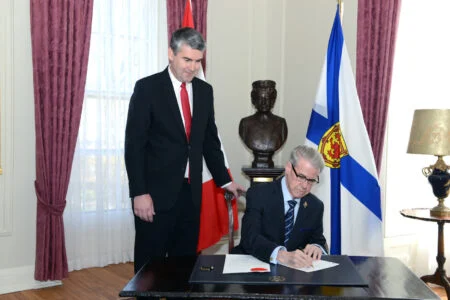
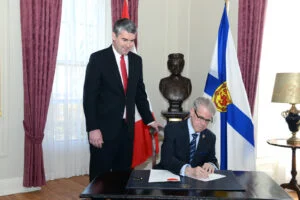


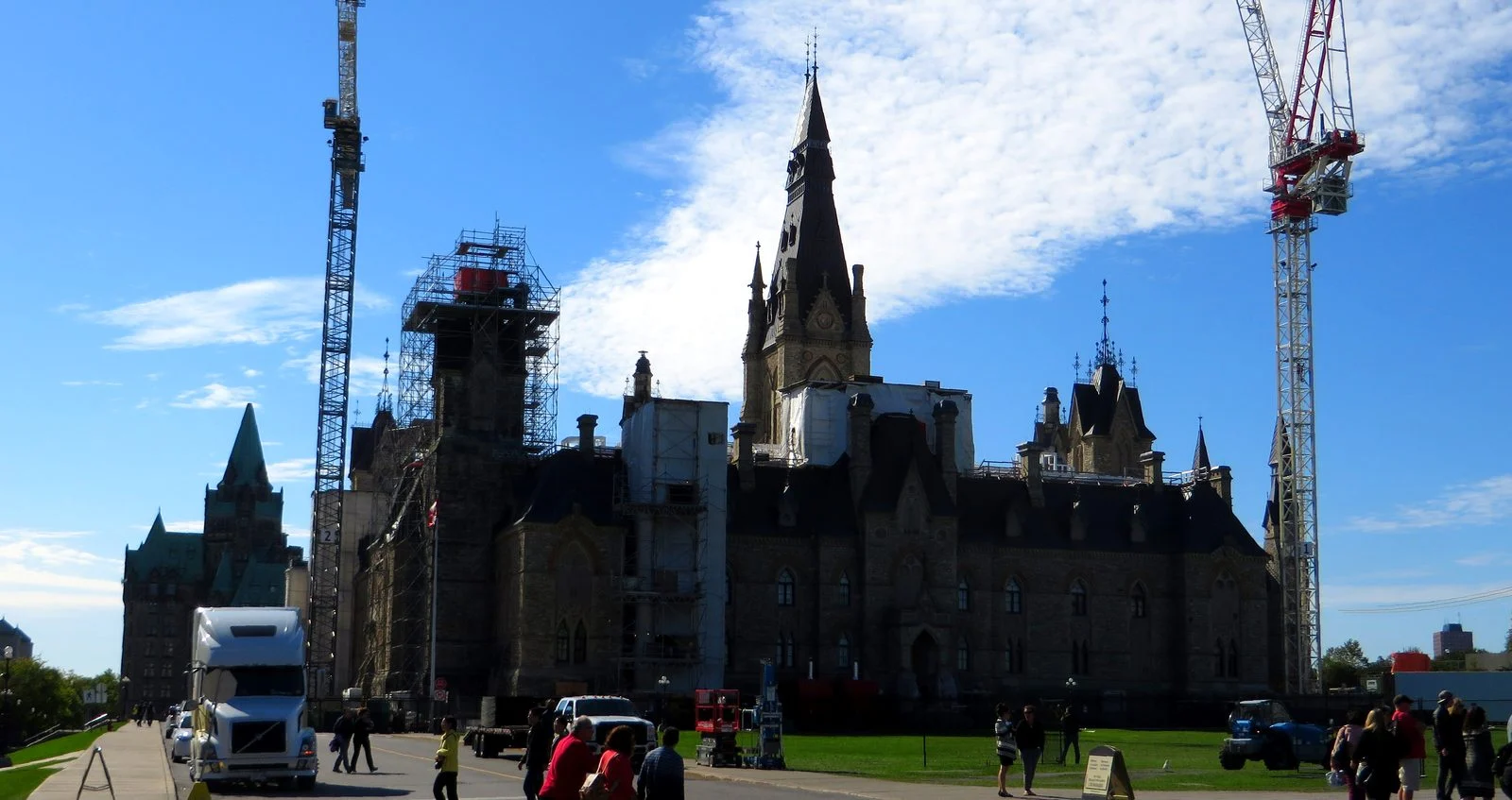
Ontario trade war news: the Carney and Ford Meeting in Ottawa today produced an $8.7 billion action plan for the steel, auto and critical minerals industries getting hammered by U.S. tariffs. Prime Minister Mark Carney and Ontario Premier Doug Ford announced it together at West Block on Parliament Hill, and it is the biggest joint industrial package of the tariff fight so far.
By Maplestime News Desk | Ottawa, Ontario, Canada | October 21, 2026
Sources: Prime Minister of Canada, News Release, The Northern Current, Toronto Star | Last updated: October 21, 2026
Key Takeaways
- Carney and Ford announced $8.7 billion in investments and new measures on October 21 to strengthen steel, auto and critical minerals, support workers hit by U.S. tariffs, and drive long-term growth, according to the prime minister’s official news release.
- The biggest piece is a new Joint Steel Action Fund: $3.55 billion from Ottawa and $1.67 billion from Ontario over five years, $5.22 billion in total, to diversify production, supply growing Canadian industries such as defence and energy, and open overseas markets for Canadian steel.
- Auto gets up to $2.5 billion over two years for capital projects, $1.5 billion federal and $1 billion provincial, and Ottawa will hold light-duty vehicle emissions standards at 2026 levels through the 2029 model year, with annual tightening resuming in 2030.
- The Ring of Fire gets $1 billion in federal money over three years for roads and infrastructure, matched by Ontario’s earlier commitment, plus one coordinated permitting process to speed up critical minerals projects.
- The Buy Canadian Policy and Buy Ontario Policy will prioritise Canadian steel in public procurement, and enforcement against foreign steel dumping gets stronger through the Canada Border Services Agency.
- Carney says the steel funding could help preserve roughly 100,000 jobs; the auto measures are aimed at safeguarding more than 120,000 direct positions. The announcement lands two weeks before the federal budget.
Inside the Carney and Ford Steel Fund
The steel fund is the headline. Five years of money, split between two governments that do not agree on much, aimed at one problem: Canadian mills built their business around the U.S. market, and 50 percent U.S. tariffs have cut that market off at the knees. The fund pays for producers to change what they make, chase defence, advanced manufacturing and energy projects at home, and find buyers overseas.
The demand side matters as much as the cheques. Ottawa and Queen’s Park will use Buy Canadian and Buy Ontario rules to put domestic steel first in public procurement, and the Canada Border Services Agency gets a stronger hand against dumped foreign steel. Read together, the message to mills in Hamilton and Sault Ste. Marie is: we will help you retool, and we will make sure government projects buy what you roll.
Related: Ford Tariffs 2026: Ontario Premier Tells 1,200 to Plan as if U.S. Tariffs Are Here for Good
What Auto Gets, and What It Gives Up
Automakers get up to $2.5 billion over two years to modernize equipment and production lines, with Ottawa covering $1.5 billion and Ontario $1 billion. The quieter gift is regulatory: Ottawa holds vehicle greenhouse-gas standards at 2026 levels through the 2029 model year instead of tightening them every year, a direct response to Washington rolling back its own fuel-economy rules. Plants get capital and breathing room; the emissions timetable takes the hit.
The Ring of Fire, the vast critical minerals deposit in northern Ontario that has been talked about for two decades, gets $1 billion in federal road and infrastructure money over three years, matching what Ontario already committed, with a single coordinated permitting process between the two governments. If it actually moves, it ties today’s tariff fight to tomorrow’s battery supply chain.
Why Steel And Auto Cannot Wait
The backdrop forced the timing. Layoff notices have begun at Stelco’s Hamilton steelworks, one of the most recognizable names in Canadian steel, and its U.S. owner Cleveland-Cliffs has been shifting production south. Ford himself warned that the trade war “will be painful,” while pledging to stand behind steel and auto workers. Two weeks out from a federal budget, both governments needed to show workers in Hamilton, Windsor and Oshawa something bigger than a press release.
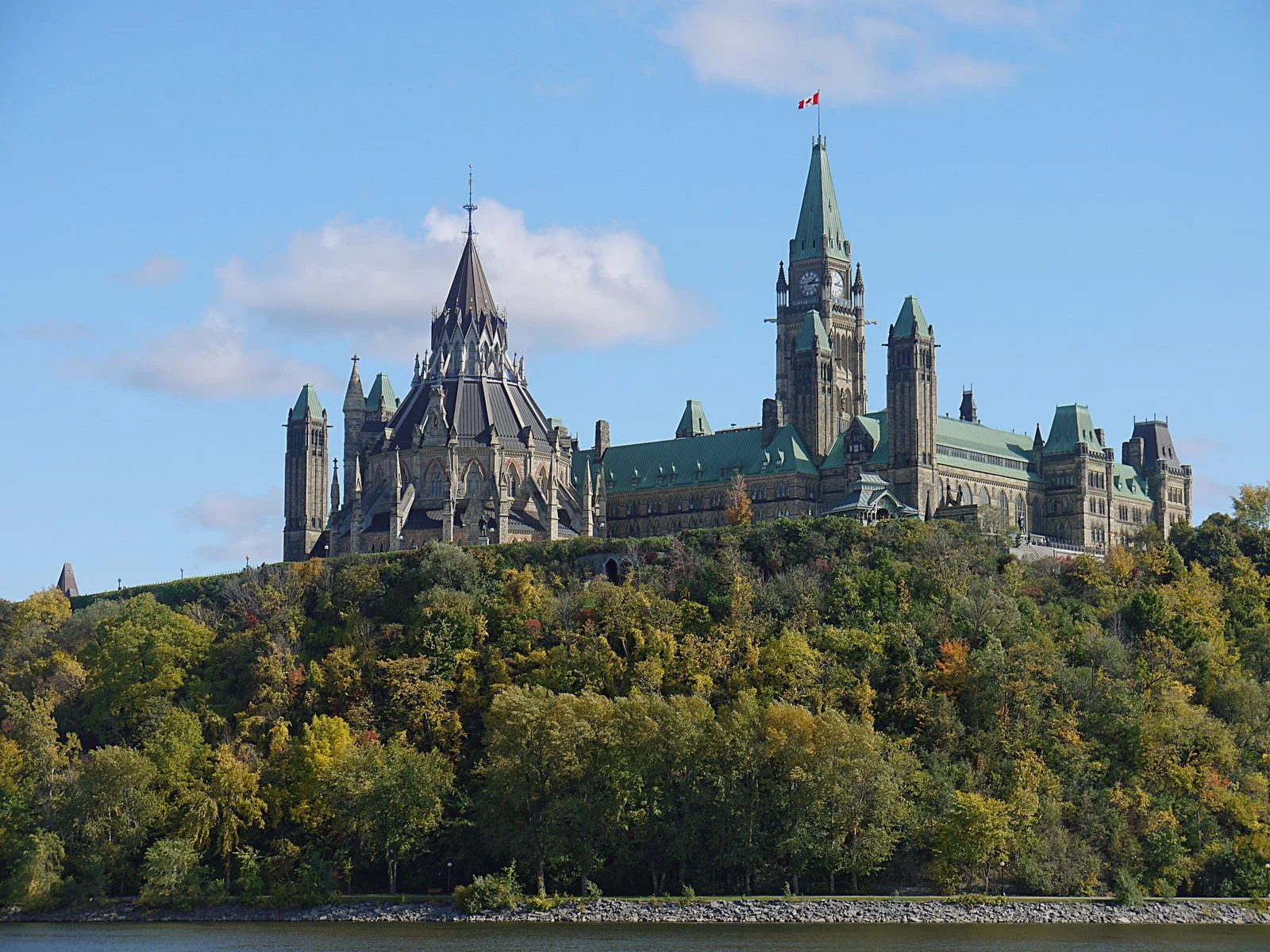
The honest caveat is in the fine print: these are funding commitments spread over two to five years, not money in workers’ hands next week, and no announcement can promise a specific job is saved. The politics are real too. A Liberal prime minister and a Progressive Conservative premier standing together at West Block tells Washington the trade fight has Canada’s biggest industrial province united behind the response. Whether unity plus $8.7 billion changes life on the shop floor is the question the next year will answer.
Maplestime will provide updates on the Carney and Ford action plan as the funding starts to move.
Have a tip about this story? Email [email protected]
Have a correction? Email [email protected]
Will $8.7 billion actually change the math for a steelworker in Hamilton, or is it a big number spread thin over five years while the tariff bill keeps coming due? Tell us in the comments. And share this with every Canadian waiting for action on the trade war.
Enjoying Maplestime? Support independent Canadian journalism — no paywall, no corporate owners.