


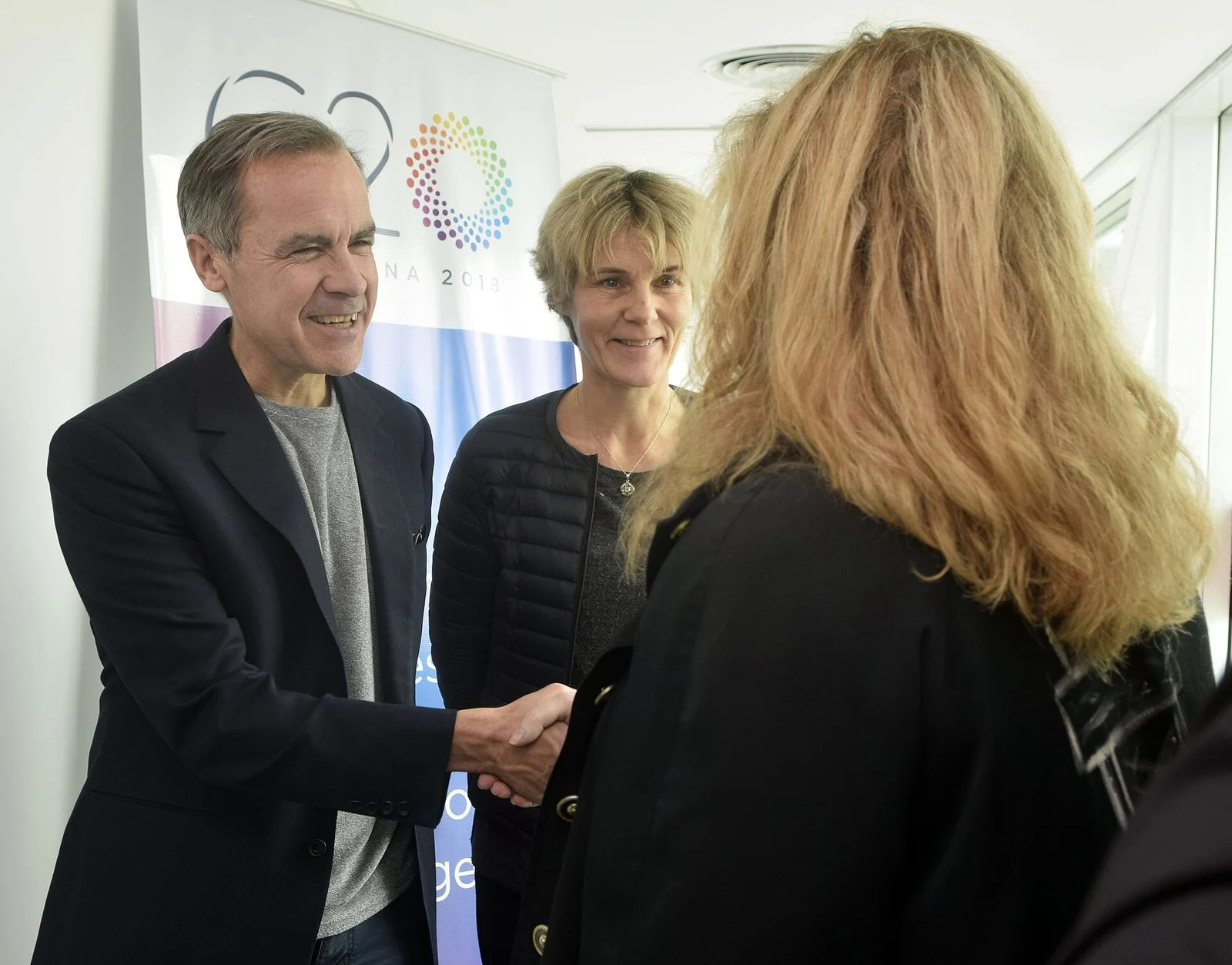
Canadian business news: the Carney U.S. Trade Deal red line is now official: Prime Minister Mark Carney told reporters in Manila on Saturday that Canada will not sign a trade deal with the United States unless it leaves Canadian automakers and parts suppliers able to compete.
By Maplestime Business Desk | Toronto, Ontario | November 15, 2026
Sources: The Canadian Press, Associated Press, The Globe and Mail, CBC News | Last updated: November 15, 2026
Quick Answer: The Carney U.S. Trade Deal red line is clear: Canada will sign a trade deal with the United States if it protects a viable Canadian auto sector, he said in Manila. Talks with Donald Trump are moving but no deal is close. Ontario has more than 95,000 auto jobs at stake under a 25 per cent tariff.
Key Takeaways
- Carney said Canada “will not settle for a deal with the United States that is not consistent with a viable Canadian auto sector.”
- He held a “long, substantive conversation” with President Donald Trump just before the Manila trip, with U.S. Trade Representative Jamieson Greer and White House Chief of Staff Stephen Miller also taking part.
- Ontario’s auto sector employs more than 95,000 people and exported 60 billion dollars in vehicles and parts to the United States in 2025.
- The 25 per cent U.S. tariff on Canadian made autos has pushed car and light truck exports down nearly 12 per cent from 2024 to 2025, with 2026 tracking even lower.
- Carney also announced concluded free trade talks with the Philippines and substantially concluded talks with ASEAN on the same trip.
What Does the Carney U.S. Trade Deal Red Line Mean for Ontario?
It means autos are the deal breaker. Carney called the auto file “one of the most challenging issues” still on the table, and he drew the line in public, in Manila, on Saturday, November 14. No deal is worth signing, in his words, if it leaves Canadian automakers and parts suppliers unable to compete.
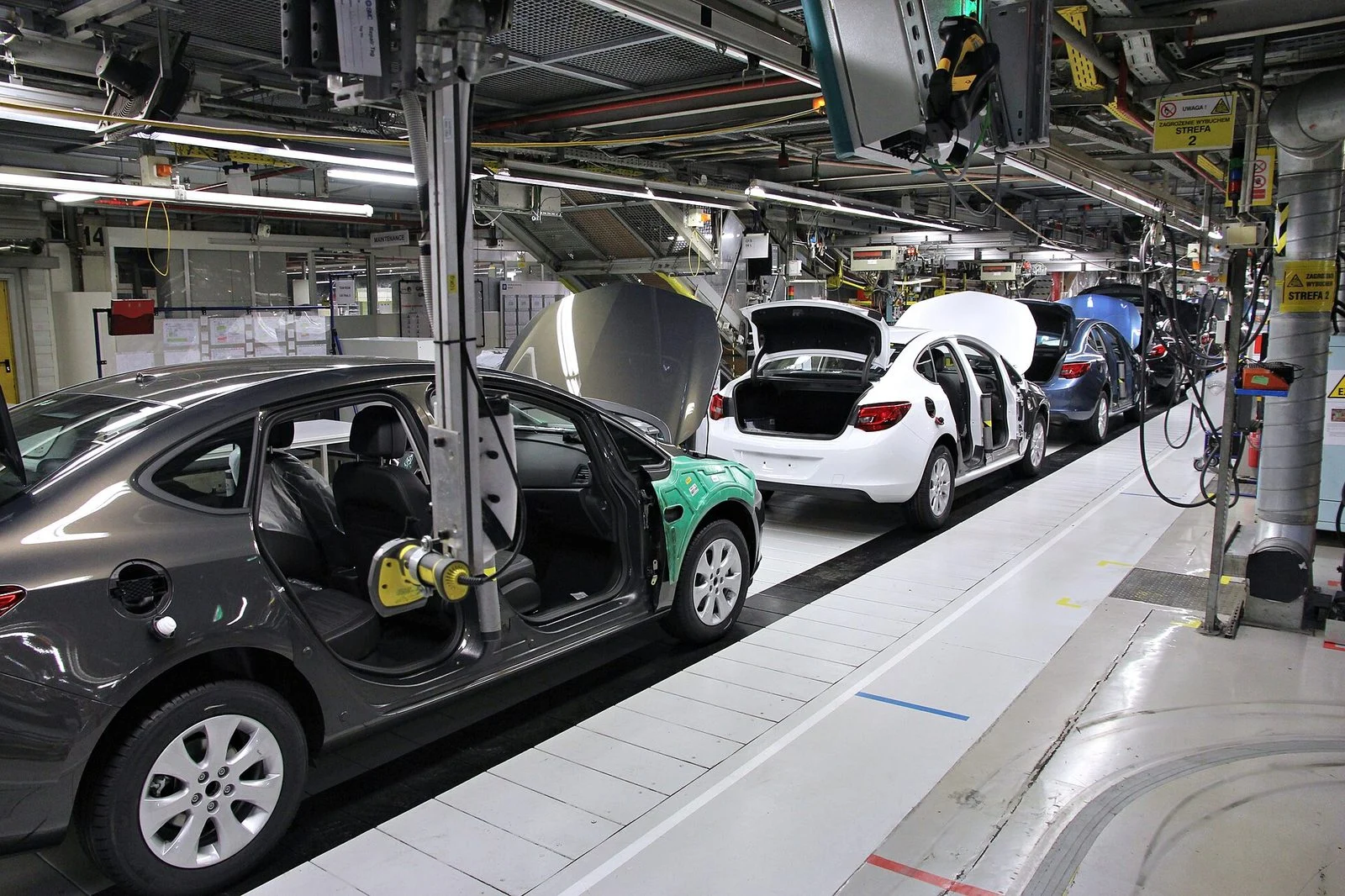
The stakes for Ontario are enormous. The province’s auto manufacturing sector employs more than 95,000 people, according to the Federal Economic Development Agency for Southern Ontario. Ontario exported 60 billion dollars in vehicles and auto parts to the United States in 2025, accounting for 96 per cent of the province’s automotive exports. The industry typically exports nearly 90 per cent of its production to the United States, so a bad tariff outcome hits Ontario first and hardest.
That pressure is already showing. The Trump administration’s 25 per cent tariff on Canadian made autos, minus a carve out for U.S. parts, has squeezed the industry hard. Canadian passenger car and light truck exports to the U.S. fell nearly 12 per cent from 2024 to 2025, and exports are tracking even lower in 2026.
What Happened in the Talks with Trump?
Carney said he had a “long, substantive conversation” with President Trump just before leaving for the trip, with Greer and Miller also in the room. His summary was cautious: “We are making progress. There is the possibility of a bilateral deal, but we are not there yet.”
Talks stalled in August 2026, when Canada pulled out after Washington made last minute demands Ottawa said would hurt Canadian auto manufacturing. In August, Washington offered to lower the headline tariff on cars and light trucks from 25 per cent to 15 per cent as part of a broader deal. Canada wanted larger Canadian built trucks included, and the two sides never closed the gap.
Carney is clearly trying to show Canada has other options while the U.S. file drags on. On the same Manila trip he announced Canada had concluded free trade negotiations with the Philippines, with signing targeted for 2027 and coverage of more than 90 per cent of tariff lines, and substantially concluded talks with ASEAN, a bloc of nearly 700 million people.
What About Stellantis and Brampton?
Carney also used the trip to signal Ottawa remains dissatisfied with Stellantis over its commitments after the company agreed to sell the idled Brampton Assembly Plant to defence manufacturer Roshel. That sale was announced November 9 and is expected to close by the end of 2026.
Industry Minister Melanie Joly has served Stellantis with a notice of default on a 2022 federal funding agreement for the Brampton plant, giving the company 30 days to correct the conditions. The message is blunt: federal money came with promises, and Ottawa intends to hold the company to them.
Frequently Asked Questions
Will there be a U.S. trade deal soon?
Not yet. Carney said progress is being made and a bilateral deal is possible, but the two sides are not there yet, with autos the hardest issue left.
How big is Ontario’s auto sector?
It employs more than 95,000 people and exported 60 billion dollars in vehicles and parts to the United States in 2025, or 96 per cent of the province’s automotive exports.
What tariff is Canada facing on autos?
A 25 per cent U.S. tariff on Canadian made autos, minus a carve out for U.S. parts. Washington offered 15 per cent in August as part of a broader deal, but the talks stalled.
Maplestime will provide updates from the Canada U.S. trade talks as announcements are made.
Have a tip about the Canada U.S. trade talks? Email [email protected]
Have a correction? Email [email protected]
Do you think Carney should hold the auto red line even if it means no deal at all? Tell us in the comments. And share this with every Canadian following the trade talks and the auto sector this weekend.
Enjoying Maplestime? Support independent Canadian journalism — no paywall, no corporate owners.